



IAEA Confirms Fukushima Water Release Meets International Safety Standards
As part of its continuous safety oversight, the IAEA conducted independent sampling and analysis of the treated water before it was discharged.
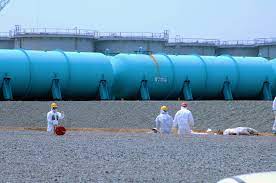
The International Atomic Energy Agency (IAEA) has confirmed that the 18th batch of ALPS-treated water discharged from Japan's Fukushima Daiichi Nuclear Power Station (FDNPS) meets international safety standards, with tritium levels far below Japan's regulatory limits.
The discharge began today under the supervision of the plant's operator, Tokyo Electric Power Company (TEPCO), as part of Japan's ongoing plan to release treated water from the Fukushima facility into the Pacific Ocean.
According to the IAEA, the tritium concentration in the latest batch is well below Japan's operational limit of 1,500 becquerels per litre, confirming that the release complies with internationally accepted safety standards.
Independent Monitoring by the IAEA
As part of its continuous safety oversight, the IAEA conducted independent sampling and analysis of the treated water before it was discharged.
Samples were collected at the discharge vertical shaft and the seawater pipe header, the point where ALPS-treated water is diluted with seawater before being released into the ocean.
The water is transported through a one-kilometre underwater tunnel before entering the sea.
On-site testing confirmed that the tritium concentration remains significantly below the operational limits established by Japan.
Ongoing Release Program
Japan began releasing Advanced Liquid Processing System (ALPS)-treated water from the Fukushima plant in August 2023, following years of storage after the 2011 nuclear accident.
The ALPS system removes most radioactive elements from the contaminated water, leaving tritium as the primary remaining radionuclide.
Tritium is considered relatively low-risk when diluted and released within regulated limits, according to international nuclear safety guidelines.
Since the start of the discharge programme, approximately 133,000 cubic metres of treated water have been released into the ocean.
Consistent Safety Compliance
The IAEA reported that the first 17 batches of discharged water also contained tritium levels far below Japan's operational limit, demonstrating consistent compliance with safety standards.
The agency continues to monitor the process as part of its commitment to ensuring transparency and scientific oversight of the Fukushima water discharge programme.
ALSO READ
-
Contentious IAEA Resolution: U.S. Joins Opposition
-
Emergency IAEA Meeting Over Iran Strikes: What's Next?
-
Tensions Rise: IAEA Urges Iran for Nuclear Transparency
-
Russia will review nuclear safety risks if Armenia opts for US-designed reactors
-
Togo, IAEA Sign 2026–2031 Cooperation Framework to Advance Nuclear Applications








 Google News