



UN Experts Condemn Deadly Strike on Girls’ School in Iran
The experts emphasised that schools are protected civilian structures under international humanitarian law, and children enjoy special protections during armed conflict.
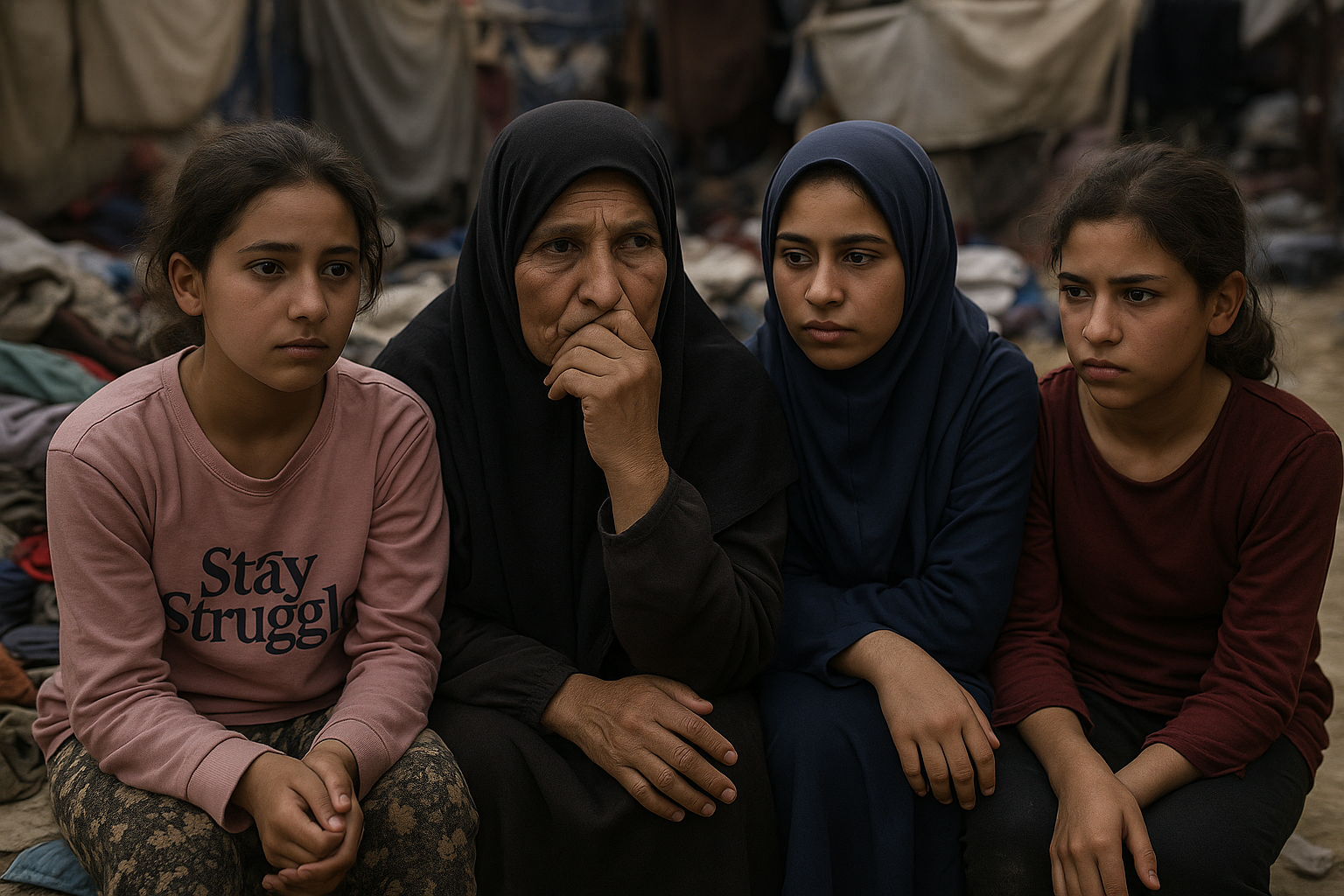
United Nations human rights experts have expressed profound shock and grief following a reported missile strike on a girls' primary school in Minab, in Iran's Hormozgan province, during military attacks carried out by the United States and Israel on 28 February 2026.
According to reports cited by the experts, the strike hit the Shajareh Tayyebeh girls' school during school hours, killing at least 165 schoolgirls and injuring many others. Most of the victims were reportedly between the ages of 7 and 12, and large sections of the school building were destroyed while classes were underway.
"A strike on a school represents a grave assault on children, on education, and on the future of an entire community," the experts said. "There is no excuse for killing girls in a classroom."
School Attack Raises Serious Legal Concerns
The experts emphasised that schools are protected civilian structures under international humanitarian law, and children enjoy special protections during armed conflict.
Direct attacks on civilian objects, including schools, are prohibited unless those buildings are being used for military purposes. Indiscriminate attacks that fail to distinguish between military targets and civilians are also strictly forbidden.
Intentional attacks against educational institutions that are not military objectives constitute war crimes under Article 8 of the Rome Statute of the International Criminal Court, the experts noted.
"An attack on a functioning school during class hours raises the most serious concerns under international law and must be urgently, independently and effectively investigated," the experts said. "Civilians must never be treated as collateral."
Conflict Threatens Girls' Right to Education
The UN experts highlighted that girls around the world already face multiple barriers to accessing education, including insecurity, discrimination, poverty and restrictions on safe schooling.
The destruction of a school and the killing of children in a classroom represents one of the most devastating consequences of armed conflict, they said.
"The reported destruction of a school and the killing of girls in a classroom is among the most flagrant examples of how conflict can steal girls' futures in an instant," the experts said.
Such attacks not only claim young lives but also destroy opportunities for education, empowerment and social mobility.
Wider Concerns About Women's Rights in Iran
The experts also noted that the incident occurs against a backdrop of systemic gender-based discrimination affecting women and girls in Iran, impacting their civil, political, economic, social and cultural rights.
Existing legal frameworks governing marriage, divorce, inheritance and access to justice continue to restrict women's rights. Under the qisas system, women have also faced execution for homicide in cases linked to domestic violence, sexual abuse or forced marriage.
At the same time, laws in some circumstances allow male perpetrators of femicide to claim so-called "honour" or disobedience as mitigating factors.
The experts further pointed to reports that more than 200 children were killed during nationwide protests beginning in December 2025, with many others arbitrarily detained and some reportedly facing the death penalty.
Call for Investigation and Accountability
The UN experts urged the international community and all parties involved in the conflict to ensure accountability for any violations of international humanitarian law.
They called for:
-
An independent and impartial investigation into the attack
-
Full compliance with international humanitarian law
-
Protection of civilians, particularly women and children
-
Justice and reparations for victims and their families
"Our thoughts are with the families of the victims and the survivors who now face unimaginable trauma," the experts said. "The killing of children can never be justified."
Education Must Be Protected During War
The experts stressed that education should remain a priority even during armed conflict, noting that schools often provide critical protection and stability for children affected by violence.
"During armed conflict, education must be prioritised as much as other lifesaving responses," they said. "Schools provide protection, resilience and social cohesion."
They reiterated their call for an immediate end to hostilities and urged all parties to respect their obligations under international law.
ALSO READ
-
Iran's Stance: Pezeshkian Rejects US Surrender Demand
-
Iran's Temporary Ceasefire: A Strategic Pause
-
Iran's president apologises for firing on regional countries, even as Tehran continues its attacks on them, reports AP.
-
Iran's president says US demand for unconditional surrender is dream that they should to take to their grave,' reports AP.
-
Azerbaijan Foils Alleged Iranian Terror Plots








 Google News