



Ramaphosa: 2026 Budget to Drive Inclusive Growth, Jobs and Infrastructure Expansion
In his weekly newsletter to the nation, the President described the Budget as a developmental instrument that balances fiscal sustainability with targeted investment in social protection and economic reform.
- Country:
- South Africa
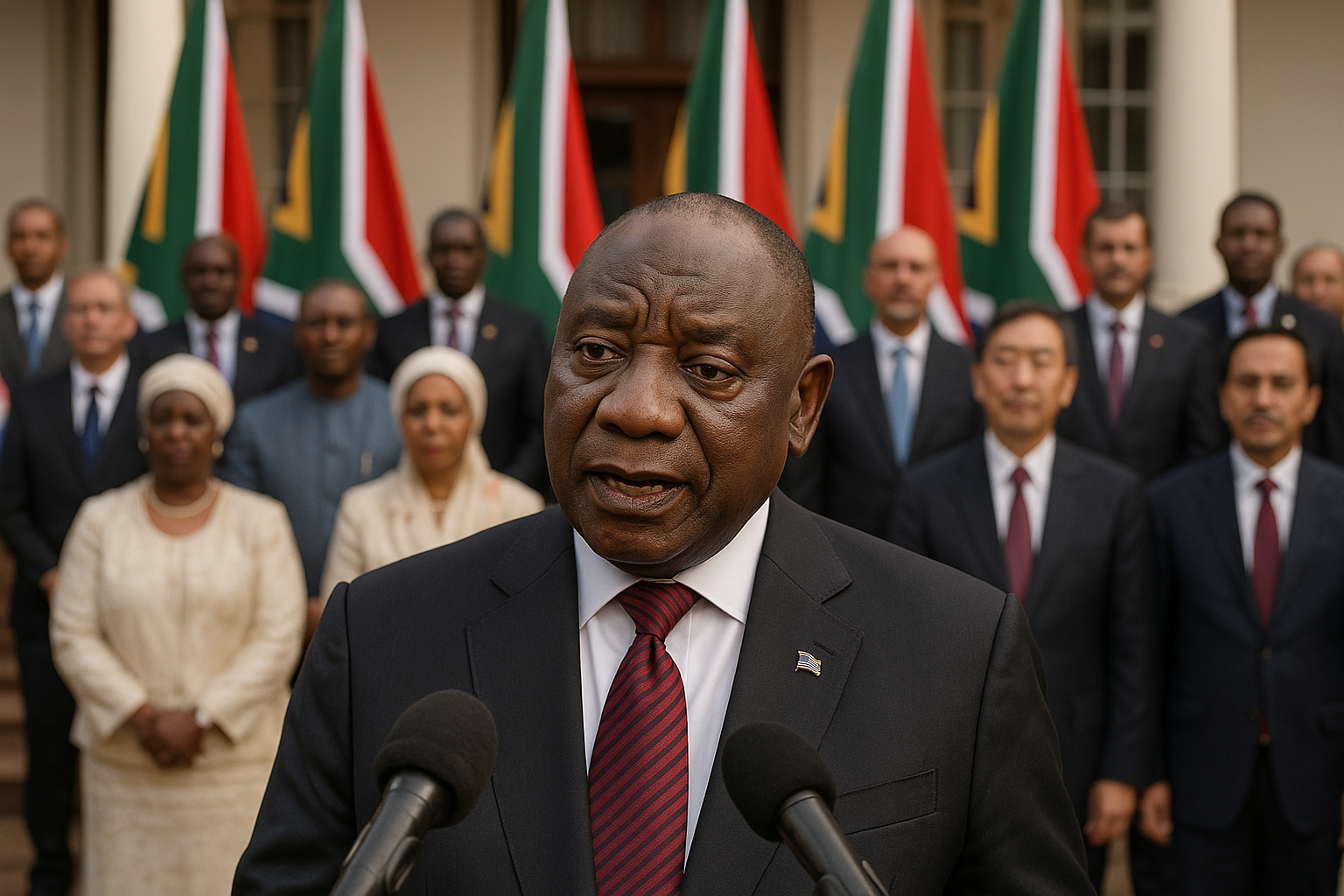
President Cyril Ramaphosa says the 2026 Budget, tabled by Finance Minister Enoch Godongwana, is designed to accelerate inclusive growth, create jobs and tackle poverty, while maintaining fiscal discipline and macroeconomic stability.
In his weekly newsletter to the nation, the President described the Budget as a developmental instrument that balances fiscal sustainability with targeted investment in social protection and economic reform.
"Every budgetary allocation is a developmental choice: ensuring there are teachers in classrooms, nurses and doctors in clinics, electricity and basic services in homes and businesses, infrastructure to grow the economy, and employment opportunities for communities," he said.
Signs of Economic Stabilisation
After several years of economic strain, Ramaphosa pointed to key indicators suggesting a gradual recovery:
-
Stabilising public debt
-
A narrowing budget deficit
-
Improvements in public finances
-
Credit rating upgrades
-
Strengthened market confidence
A stable macroeconomic environment, he noted, enhances investor confidence and expands government's ability to invest in growth and poverty relief without undermining fiscal sustainability.
"The stabilisation of public finances gives us space to accelerate public investment, sustain the social wage, and direct resources to reforms that drive growth and job creation," he said.
Sustaining the Social Wage
The social wage remains a central pillar of the 2026 Budget. It accounts for over 60% of government spending after interest payments.
Allocations for the current financial year will enable government to:
-
Provide healthcare services to 84% of the population
-
Support 26.5 million social grant beneficiaries
-
Deliver free basic services to more than 11 million indigent households
-
Support approximately 13.6 million learners
Ramaphosa described the Budget as redistributive in character, aimed at reducing inequality and strengthening human capabilities.
Strengthening Basic Education
Basic education is prioritised as a long-term foundation for inclusive growth.
Additional funding has been allocated to:
-
Employ more educators
-
Expand the Early Childhood Development (ECD) grant to reach an additional 300,000 children
-
Align the National School Nutrition Programme to food inflation
These interventions are intended to protect vulnerable learners while strengthening long-term educational outcomes.
R1 Trillion Infrastructure Drive
Infrastructure investment forms a core component of the growth strategy.
Over the next three years, public spending on infrastructure is projected to exceed R1 trillion, focusing on:
-
Roads and rail networks
-
Energy generation and transmission
-
Water and sanitation systems
Improved infrastructure, the President noted, reduces business costs, boosts productivity and strengthens export competitiveness.
However, government alone cannot finance infrastructure at the required scale. The Budget therefore encourages greater private sector participation through public-private partnerships, particularly in electricity, rail and ports — while maintaining state ownership of strategic national assets.
Structural Reform Under Operation Vulindlela
Through Operation Vulindlela, government continues to implement structural reforms in:
-
Energy
-
Telecommunications
-
Water
-
Logistics
These reforms aim to unlock investment, improve service delivery and remove regulatory bottlenecks that constrain economic growth.
Addressing Municipal Financial Distress
The Budget also confronts challenges at local government level.
Ramaphosa acknowledged that many municipalities face financial distress due to:
-
Weak revenue collection
-
Poor financial management
-
Service delivery backlogs
-
Diversion of infrastructure revenues to cover operational costs
To stabilise local finances:
-
R19.2 billion will be reallocated over the medium term to reform electricity, water, sanitation and waste services in metros
-
Allocations will be performance-linked
-
The Municipal Infrastructure Grant is being reformed to address underspending and misuse
-
R86.9 billion is allocated over three years to support free basic services for indigent households
These measures aim to restore fiscal sustainability and improve municipal service delivery.
Supporting Employment and Small Businesses
Job creation remains central to the Budget's strategy.
An additional R4.1 billion has been allocated to the Presidential Employment Stimulus to expand work opportunities, particularly for young people.
To reduce regulatory burdens on small enterprises:
-
The VAT registration threshold has been more than doubled
-
Capital gains tax exemptions for small business transfers have been significantly increased
These reforms are intended to ease compliance pressures, stimulate entrepreneurship and enable small and informal businesses to expand employment.
A Balanced Fiscal Approach
Ramaphosa summarised the Budget's focus around three imperatives:
-
Maintaining fiscal sustainability
-
Driving inclusive growth
-
Protecting the most vulnerable
He described it as a balanced Budget reflecting limited fiscal space, high unemployment and pressing infrastructure needs.
"As we build on the momentum of our recovery, we will continue to be guided by fiscal discipline, structural reform, targeted investment and an overarching commitment to improving the material conditions of every South African," the President said.
The 2026 Budget therefore seeks to consolidate macroeconomic gains while accelerating public investment and strengthening social protection — positioning South Africa for a more resilient and inclusive economic recovery.
ALSO READ
-
Aahvaan 2026: Bridging Corporate Responsibility for Inclusive Growth
-
Chhattisgarh budget centred on 'SANKALP' theme; focuses on inclusive growth, infrastructure development & boosting investment: Choudhary.
-
BCCI's Vision for Blind Cricket: Inclusive Growth and Global Success
-
CSR Must Power Inclusive Growth: VP Radhakrishnan at National CSR Summit
-
Rajasthan Budget 2026-27: Ensuring Inclusive Growth Amid Criticism








 Google News