



Ramaphosa: Traditional Leaders Key to Rural Growth
The President acknowledged that service delivery challenges are often most acute in rural areas.
- Country:
- South Africa
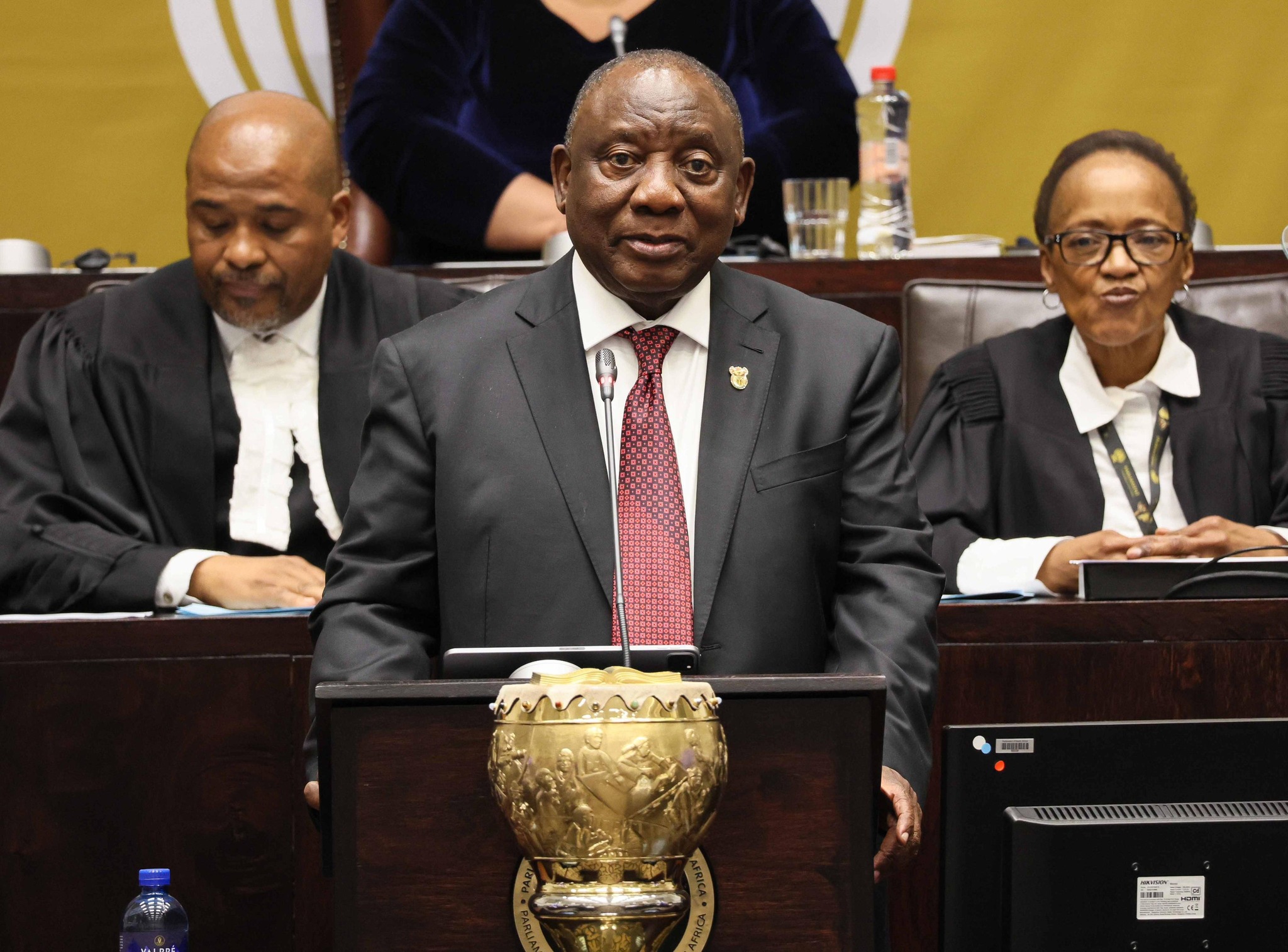
President Cyril Ramaphosa has hailed traditional leaders as indispensable partners in government's drive to revitalise rural economies, strengthen social cohesion and improve service delivery across South Africa.
Speaking at the opening of the National House of Traditional and Khoi-San Leaders on Thursday, the President described traditional leadership as "the sturdy roots that hold the great tree of the nation up."
"Traditional leadership is the institution that anchors us in history. It nourishes us with identity. It stabilises us when storms rage," he said.
Custodians of Culture and Social Stability
Ramaphosa said traditional leaders remain central to community life — serving as mediators of conflict, guardians of land and transmitters of culture.
"In many provinces, traditional leaders remain enablers of social cohesion and custodians of our shared values," he said.
He noted that long before the modern state, systems of accountability based on consensus and community governance were embedded in traditional structures.
Service Delivery Pressures in Rural Areas
The President acknowledged that service delivery challenges are often most acute in rural areas.
Poorly maintained roads limit farmers' access to markets, while long travel distances to schools and clinics place financial strain on households. Water shortages further compound hardship, affecting both families and small-scale farmers.
"Rural areas are increasingly water-stressed. When taps run dry, it affects households and farmers alike," he said.
Climate change impacts — including recent floods in Limpopo, Mpumalanga and KwaZulu-Natal — have worsened conditions for rural communities dependent on agriculture.
"We must learn from traditional communities as we confront these challenges," he added.
Aligning Development Through the District Model
Through the District Development Model, government aims to align planning and service delivery across districts and metros, working closely with traditional leaders to identify community-specific needs.
"We continue to work with traditional leaders to gain a better understanding of the realities in their communities," Ramaphosa said.
Youth Employment and Rural Empowerment
The President highlighted several programmes supporting rural youth and employment:
-
The Presidential Employment Stimulus, which has created over 2.5 million work and livelihood opportunities
-
The Social Employment Fund, supporting agricultural skills and market access for smallholder farmers
-
The National Rural Youth Service Corps (NARYSEC), which trained rural youth in agriculture, construction, IT and hospitality
"Agriculture is the lifeblood of rural communities," Ramaphosa said.
He announced that government will deploy 10,000 new agricultural extension officers this year to support both smallholder and commercial farmers. Funding support for black producers will continue through the Land Bank and commercial banks, alongside expanded AgriSETA training programmes to attract more young people into agriculture.
Harnessing Critical Minerals Responsibly
With South Africa holding some of the world's largest reserves of critical minerals, the President said government is investing in geological mapping and exploration.
He stressed the need for mining activities to generate tangible benefits for host communities and avoid environmental degradation or displacement.
"In far too many instances rural communities have not benefited. Government and traditional leaders must work together to ensure that these resources create jobs and businesses where they are mined," he said.
Partnerships for Social Development
The President commended the National House of Traditional and Khoi-San Leaders for partnerships with organisations such as Habitat for Humanity, the Al-Imdaad Foundation, the National Heritage Council and the Hendrietta Bogopane-Zulu Foundation.
He urged traditional leaders to remain custodians of dignity, unity and development.
"May this House continue to be a stabilising force in our democracy and national life. Help lead the renewal of our rural economies, the empowerment of our youth, and the strengthening of our social fabric," Ramaphosa said.








 Google News