



Red Tide Triggers Lobster Die-Off on West Coast
The DFFE confirmed that it activated the West Coast Rock Lobster Walkout Contingency Plan on Wednesday morning in response to the unfolding situation.
- Country:
- South Africa
South Africa's Department of Forestry, Fisheries and the Environment (DFFE) has issued an urgent public health warning after red tide conditions along Elands Bay on the West Coast led to large-scale marine walkouts and fish mortalities.
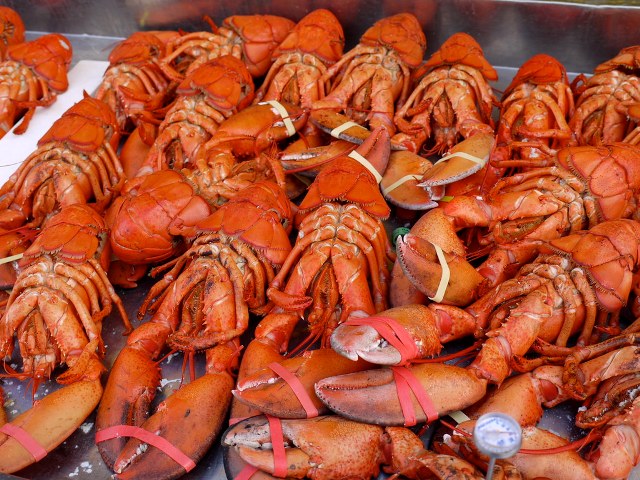
Significant numbers of West Coast Rock Lobster (kreef) and other fish species have washed ashore, prompting authorities to caution residents against collecting or consuming any stranded marine animals.
Serious Health Risk from Contaminated Seafood
In a statement, the department said the time of death of the washed-up marine life cannot be confirmed, raising concerns about toxin exposure and bacterial contamination.
"Exposure to algal toxins and bacterial contamination poses a serious health risk. Consumption may result in severe illness or death. Members of the public are urged not to collect, sell or eat any stranded marine animals," the department warned.
Red tides are caused by harmful algal blooms that can deplete oxygen in the water and release toxins, leading to mass marine die-offs and contamination of seafood.
Walkout Contingency Plan Activated
The DFFE confirmed that it activated the West Coast Rock Lobster Walkout Contingency Plan on Wednesday morning in response to the unfolding situation.
Officials, working alongside national, provincial and local authorities, are undertaking emergency interventions including:
-
Removing and relocating live lobsters to areas with stable oxygen levels
-
Collecting and safely disposing of dead marine life
-
Monitoring oxygen levels and algal activity
-
Conducting scientific assessments of affected lobster stocks
Authorities have also called on the South African Police Service (SAPS) and other enforcement agencies to help maintain order and prevent illegal collection or sale of contaminated marine animals.
Protecting Communities and Fisheries
West Coast Rock Lobster is both an ecologically important species and a key component of the region's fishing economy. Large-scale mortality events can have significant environmental and economic consequences.
The department said ongoing monitoring will guide further action, while urging communities to prioritise safety over opportunistic harvesting.
Residents are advised to report large strandings to local authorities and avoid any contact with affected marine life until conditions stabilise.
ALSO READ
-
Shai Hope Urges Resilience Despite Crushing Loss to South Africa in T20 World Cup
-
South Africa Marches to T20 World Cup Semis with Dominant Win
-
South African Farmers Face Maize Harvest Decline
-
Aiden Markram's Stellar Innings in South Africa's Commanding Performance
-
South Africa's Pace Power Dominates West Indies in T20 Triumph








 Google News