



North Korea's Strategic Arsenal Expansion: Implications for Global Diplomacy
North Korean leader Kim Jong Un aims to amplify the country's nuclear capabilities, contingent on U.S. relations. While open to dialogue, Kim emphasizes expanding nuclear arms, advanced missile technology, and rejects denuclearization talks without U.S. policy shifts. Meanwhile, relations with South Korea remain strained, impacting regional stability.
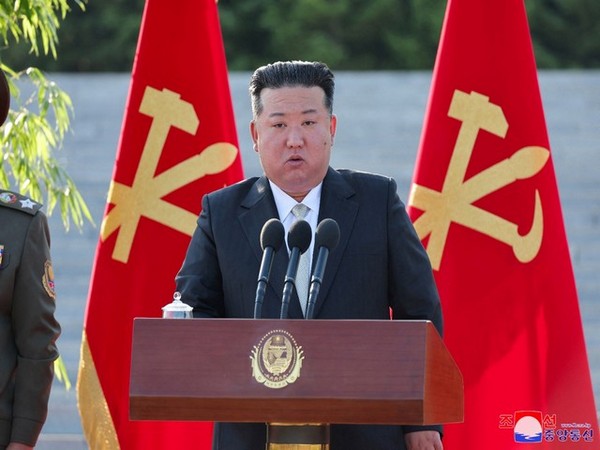
Kim Jong Un, North Korea's leader, announced plans to enhance the country's nuclear arsenal, with diplomatic relations with the U.S. hinging on Washington's approach. The declaration came during the Ninth Congress of the Workers' Party, which finished with a military parade in Pyongyang.
Kim emphasized increasing nuclear power, with North Korea possessing around 50 warheads, according to SIPRI, and plans for further production. Future developments include intercontinental ballistic missiles, potentially launched from underwater, AI-driven attack systems, and drones. The military parade featured formations but lacked clear displays of new military hardware.
Dialogue with the U.S. remains possible if Washington alters its confrontational stance, but Kim dismisses peace efforts with South Korea, labeling its government as deceptive. Tensions continue, with threats of arbitrary action against South Korean provocations, highlighting ongoing challenges in regional diplomacy.
ALSO READ
-
Kim Jong Un's Nuclear Agenda: Threats and Diplomacy
-
North Korea's Next Leader? Kim Jong Un's Daughter Ju Ae Sparks Succession Speculation
-
Kim Jong Un Pledges Nuclear Expansion Amid Strained U.S. Relations
-
Kim Jong Un's Stance: North Korea's Future with the U.S. and South Korea
-
Ukraine's Diplomatic Tightrope: Balancing U.S. Relations Amidst Russian Tensions








 Google News