



Eskom Marks 280 Days Without Load Shedding, EAF at 65%
With 280 days without load shedding and sustained improvements in key performance indicators, Eskom’s operational recovery appears to be gaining traction.
- Country:
- South Africa
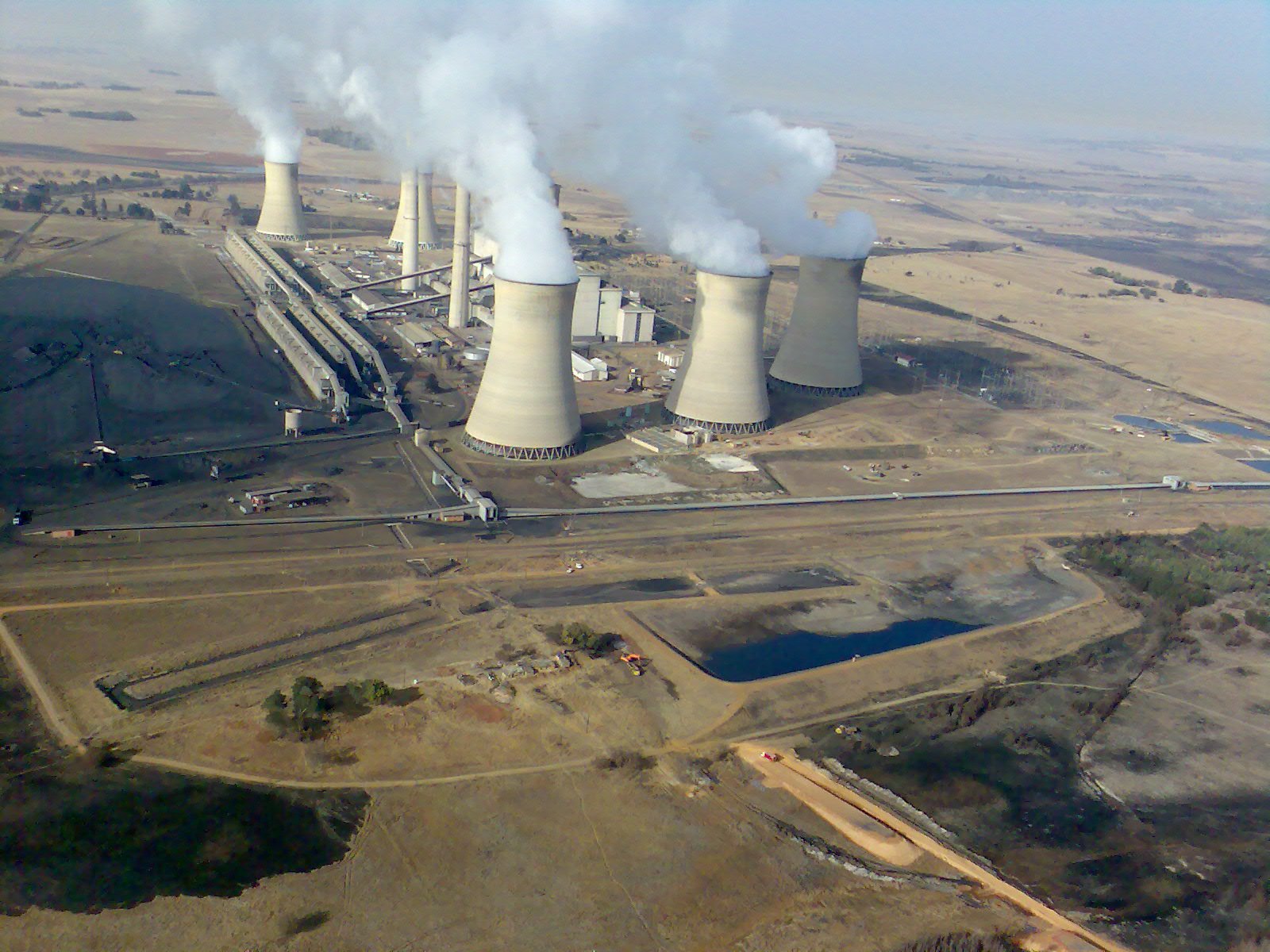
Eskom has recorded approximately 280 consecutive days without load shedding, signalling continued progress in its generation recovery efforts and reinforcing stability in South Africa's electricity supply.
The power utility confirmed that the Energy Availability Factor (EAF) — a key indicator of plant performance — has strengthened to 65.11% for the financial year to date, reflecting improved operational reliability across the fleet.
Generation Recovery Plan Delivers Results
Eskom attributed the gains to its Generation Recovery Plan, which focuses on plant maintenance, performance optimisation and reducing unplanned breakdowns.
"Eskom's generation performance continues to show steady and measurable improvement, reinforcing the reliability of South Africa's power system and supporting confidence in the wider economy," the utility said.
The improved plant availability and reduced unplanned outages have enhanced national grid stability — a critical foundation for economic growth and investor confidence.
Unplanned Outages Decline Sharply
Last week, average unplanned outages stood at 9,980MW, representing an improvement of 2,784MW compared to the same period last year.
The Unplanned Capacity Loss Factor (UCLF) declined to 20.77%, down 4.53 percentage points from 25.30% during the corresponding period in the previous year.
Meanwhile, the Planned Capacity Loss Factor (PCLF) — which reflects scheduled maintenance — averaged 10.49%, significantly lower than the 15.71% recorded in the previous financial year.
Eskom also confirmed that 9,897MW of capacity is currently held in cold reserve due to excess generation capacity, further underscoring improved system resilience.
Diesel Use Driven by Contractual Obligations
Diesel usage remains controlled and largely linked to contractual commitments with independent power producers (IPPs).
Last week:
-
2.48GWh of energy was dispatched into the grid via diesel
-
At a cost of R14.89 million
-
Representing a 0.433% load factor
Eskom explained that the diesel generation was primarily due to the dispatch of IPP Open Cycle Gas Turbine (OCGT) units under take-or-pay agreements concluded during periods of severe supply constraints.
"These agreements require Eskom to pay for committed capacity whether it is utilised or not. Diesel usage over the next few weeks may primarily reflect the fulfilment of these contractual obligations," the utility noted.
As overall system performance improves and the EAF strengthens, Eskom said it will prioritise the use of more cost-effective primary energy sources while responsibly managing legacy contracts.
Diesel Spending Down R5.49 Billion
Despite the limited diesel dispatch, year-to-date expenditure remains well below last year's levels.
From 1 April 2025 to 19 February 2026, total diesel expenditure is R5.49 billion lower than during the same period in the previous financial year.
The utility said the reduction reflects improved operational performance and cost discipline under its turnaround initiatives.
Restoring Confidence in the Power System
With 280 days without load shedding and sustained improvements in key performance indicators, Eskom's operational recovery appears to be gaining traction.
The strengthened grid performance not only reduces the risk of power interruptions but also supports broader economic activity, industrial output and investor sentiment — all of which are closely tied to energy reliability.
Eskom said it remains focused on sustaining generation improvements, strengthening plant performance and ensuring long-term energy security for South Africa.
ALSO READ
-
Eskom's Wage Negotiation Deadlock
-
NERSA Approves Steeper Eskom Power Tariff Hikes for 2026 and 2027
-
Eskom Marks 260 Load-Shedding-Free Days as Power System Stability Improves
-
South Africa's Eskom ups wage hike offer in ongoing union talks
-
South Africa's Power Play: Eskom's Tariff Reduction to Resuscitate Ferrochrome Sector








 Google News