



Supreme Court Clamps Down on Trump's Tariff Power, Leaving Global Trade in Flux
The U.S. Supreme Court's decision to limit President Trump's tariff authority weakens his leverage but doesn't eliminate trade uncertainty. Though the ruling curtails the use of the IEEPA for tariffs, Trump's quick tariff adjustments keep trade partners wary. The decision may alter global negotiations but won't immediately unravel existing agreements.
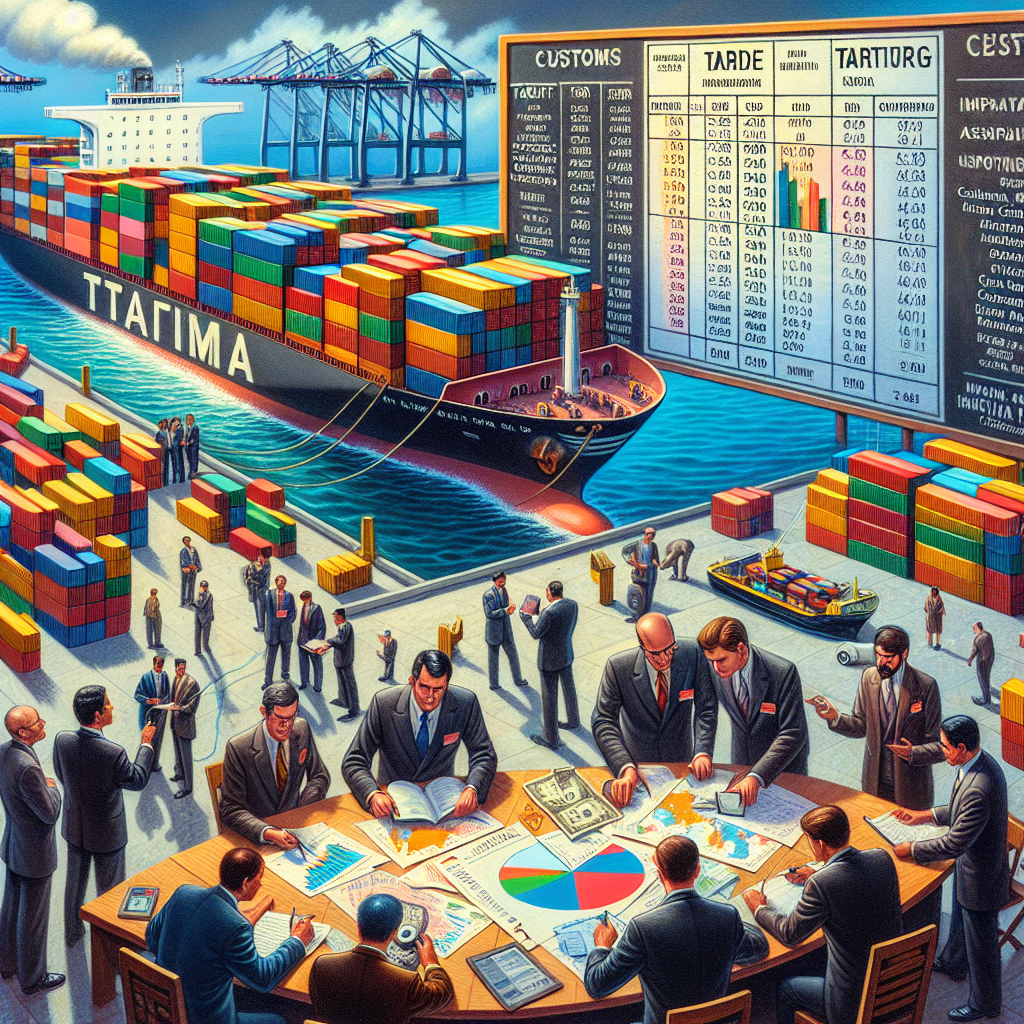
The U.S. Supreme Court's decision to restrict President Donald Trump's ability to impose tariffs represents a major setback for his trade strategy. While the ruling does not fully resolve trade volatility, it limits Trump's power to deploy tariffs unilaterally and unpredictably.
Experts suggest the ruling curbs Trump's use of the International Emergency Economic Powers Act (IEEPA) for non-trade issues. This change might shift dynamics in international negotiations, granting countries more negotiation power against Trump's whims, although existing trade frameworks remain intact for now.
Despite the Supreme Court's action, Trump's immediate adjustments in tariffs and new trade investigations maintain an air of uncertainty. Long-term impacts on international relations and trade deals are still developing, keeping global partners cautious about potential unforeseen repercussions.
ALSO READ
-
Trump's Curiosity and Iran's Nuclear Standoff: The Clash of Titans
-
Supreme Court to Reexamine U.S.-Cuba Property Claims
-
Trump Targets Netflix Board Member Susan Rice: Demands Immediate Action
-
Congress Criticizes Interim US Trade Deal: 'Abki Baar Trump Se Haar'
-
Supreme Court Challenges CCI's Ruling Over Meta and WhatsApp Data Privacy Controversy








 Google News