



UN Experts Alarmed by Gardaí Use of Pepper Spray and Tasers in Protests
The experts highlighted the Gardaí’s acquisition of SABRE Red Crossfire MK-3 Gel, described as one of the strongest irritant sprays currently available.
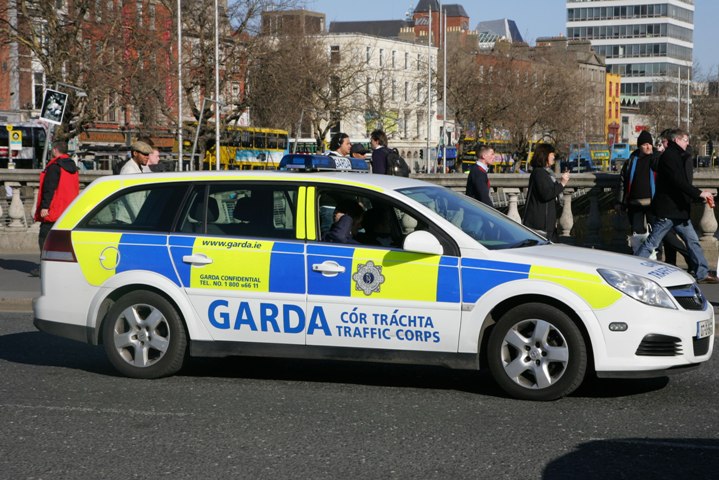
United Nations human rights experts have raised serious concerns over the Irish National Police's acquisition and potential use of so-called "less lethal" weapons for crowd control, warning that such measures carry significant risks of human rights violations, including the absolute prohibition of torture and cruel, inhuman or degrading treatment.
In a statement issued today, the experts expressed alarm at the purchase and reported use of "double-strength" pepper spray and the rollout of a taser pilot programme, cautioning that these weapons should not be deployed in protest settings where the right to peaceful assembly must be protected.
Concern Over "Double-Strength" Pepper Spray
The experts highlighted the Gardaí's acquisition of SABRE Red Crossfire MK-3 Gel, described as one of the strongest irritant sprays currently available.
They noted with concern that the spray was allegedly used against peaceful demonstrators during an October 2025 protest, alongside other excessive force, resulting in injuries among several protesters and at least one protest monitor.
The decision to procure the stronger spray was reportedly linked to unrest in Dublin in November 2023. However, the experts stressed that there remains little clarity about:
-
The operational analysis used to justify the stronger formulation
-
The testing and evaluation process undertaken
-
What safeguards are in place to prevent misuse
"The resulting safeguards remain unclear," they said.
Alarm Over Taser Pilot and Electric Shock Function
The experts also expressed concern about Gardaí's pilot project involving Conductive Energy Devices (CEDs), commonly known as tasers.
They warned that tasers have the capacity to inflict electric shocks when pressed directly against a person's body — a function they said has no legitimate purpose in policing.
"This function serves no legitimate purpose and falls under Category A… identified by the Special Rapporteur on torture as inherently cruel, inhuman or degrading and therefore considered to be prohibited," they said.
The experts said they were particularly dismayed by information suggesting these weapons could potentially be used against pregnant women and elderly individuals.
"Less Lethal" Does Not Mean Safe
While classified as "less lethal," the experts emphasised that pepper spray and tasers can cause:
-
Severe pain
-
Secondary injuries
-
Serious health risks
-
Potential misuse in excessive force scenarios
They warned that such weapons often reduce reliance on de-escalation and can increase the likelihood of violence during demonstrations.
"Less-lethal weapons should not be used in situations of crowd control, especially in situations involving the exercise of the right to peaceful assembly," they said.
They stressed these tools should only ever be used as a last resort, and only:
-
After a clear verbal warning
-
With adequate opportunity for participants to disperse
-
Under strict regulation and accountability
International Standards Must Be Upheld
The experts reiterated that any use of force by law enforcement must comply with fundamental international principles, including:
-
Legality
-
Necessity
-
Proportionality
-
Precaution
-
Non-discrimination
They also expressed concern over what they described as a troubling pattern of opacity and insufficient public debate surrounding the adoption of such equipment.
"We are concerned about the adoption of this equipment following a pattern of opacity and lack of public debate," they said.
UN Experts Engage Irish Government
The experts confirmed that they have formally contacted the Irish Government regarding these issues and urged greater transparency, oversight and adherence to international human rights standards in policing practices.
The statement adds to growing global scrutiny of the use of force and "less lethal" weapons in protest management, particularly in democratic societies where the right to peaceful assembly is protected under international law.








 Google News