



The Future of U.S. Tariffs: Trump's Decisive Call
U.S. Treasury Secretary Scott Bessent stated that President Trump would decide on potential changes to U.S. metals tariffs. The Trump administration is considering modifications due to rising living costs. The Congressional Budget Office highlights that U.S. consumers bear most of the tariff costs, sparking debate about national security implications.
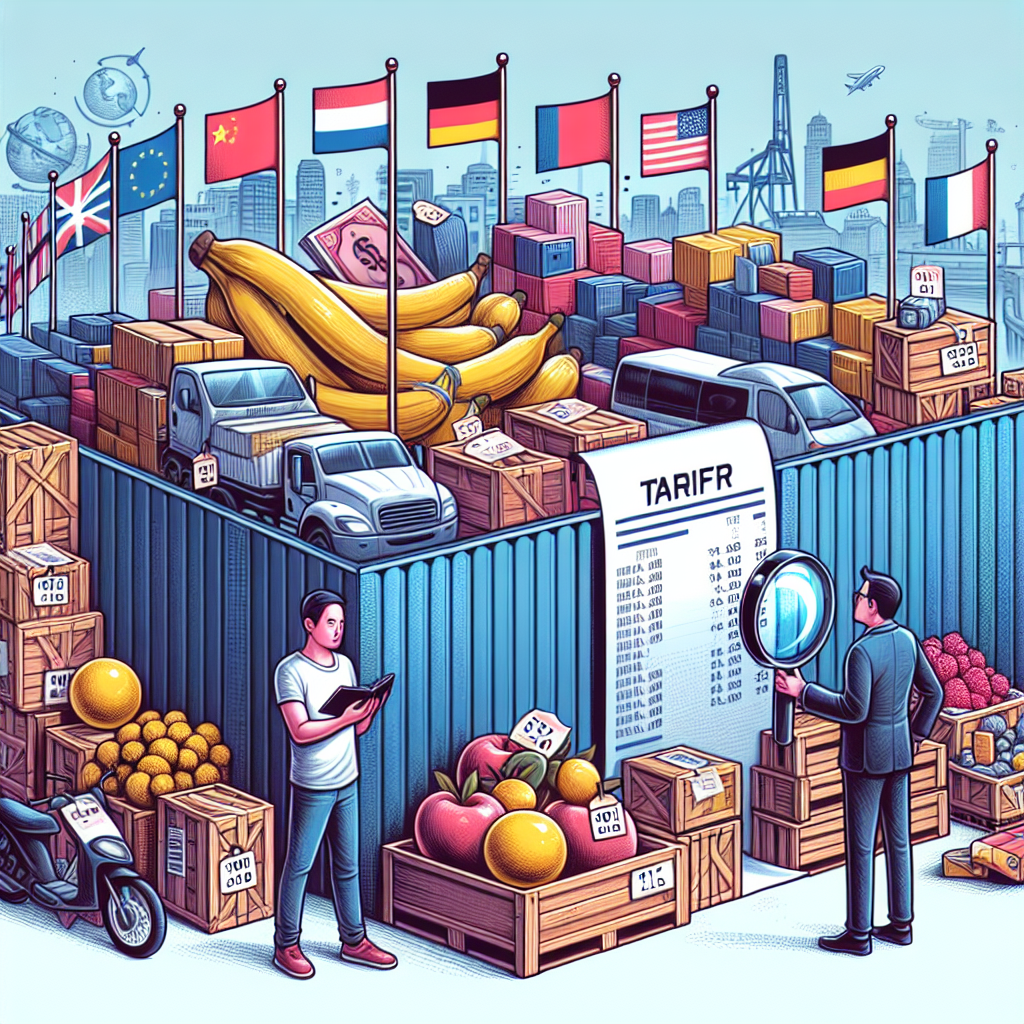
U.S. Treasury Secretary Scott Bessent noted on Friday that President Donald Trump holds the decisive power over any amendments to U.S. metals tariffs. Bessent, commenting on a Financial Times report during a CNBC interview, hinted at possible adjustments to the tariffs, originally set at 50% on steel and aluminum products.
Discussions about potential exemptions or modifications are in play, with Trade Representative Jamieson Greer involved in ongoing talks. The Trump administration's attention to tariff adjustments aligns with concerns about the rising cost of living, especially during the mid-term congressional election year.
The Congressional Budget Office recently highlighted that consumers carry approximately 95% of the tariff costs, impacting prices of both imported and domestic goods. The American Iron and Steel Institute, however, argues the tariffs are crucial to curbing excessive steel capacity from China and threats to U.S. national security.
ALSO READ
-
Scott Bessent Remarks on Fed's Balance Sheet Strategy
-
President Donald Trump, his ministers, people of America have been good to India, as India has been good to America: Commerce Minister Goyal.
-
India has got a good deal with US because of personal relationship between PM Modi and US President Donald Trump: Goyal.
-
President Donald Trump slams 2026 Grammys, calls host Trevor Noah "total loser"
-
Donald Trump names Kevin Warsh as next chair of US Federal Reserve








 Google News