



RBI Allows Priority Sector Tag for Bank Loans to NCDC from Jan 2026
The Government and RBI have undertaken a series of reforms to improve the financial health, governance, digital inclusion and depositor protection of cooperative banks.
- Country:
- India
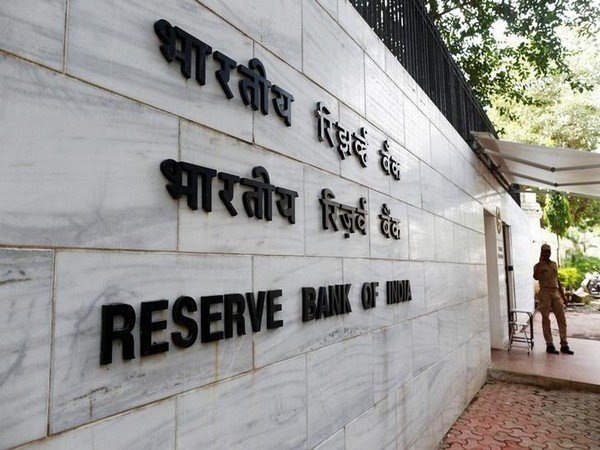
In a significant policy step aimed at strengthening the cooperative credit ecosystem, the Reserve Bank of India (RBI), in consultation with the Government of India, has announced that bank loans sanctioned to the National Cooperative Development Corporation (NCDC) from January 19, 2026 onwards for on-lending to cooperative societies will be eligible for Priority Sector Lending (PSL) classification.
The eligibility will apply to banks other than Regional Rural Banks (RRBs), Urban Cooperative Banks (UCBs), Small Finance Banks and Local Area Banks, and will be governed by the activities and purposes specified under the Master Direction on Priority Sector Lending, 2025.
The announcement was made by the Minister of State for Finance, Shri Pankaj Chaudhary, in a written reply in the Rajya Sabha today.
Boost for Cooperative Credit Flow
The decision is expected to significantly enhance the flow of institutional credit to cooperatives across sectors such as agriculture, rural development, allied activities and small enterprises. By allowing banks to classify lending to NCDC as priority sector exposure, the move incentivises greater participation of commercial banks in financing cooperative societies.
The National Cooperative Development Corporation (NCDC) is a statutory body under the administrative control of the Ministry of Cooperation and plays a critical role in providing financial assistance to cooperatives and accelerating the growth of the cooperative movement nationwide.
Strengthening Cooperative Banking Ecosystem
The Government and RBI have undertaken a series of reforms to improve the financial health, governance, digital inclusion and depositor protection of cooperative banks. Key measures include:
-
Permission for Urban Cooperative Banks (UCBs) to open new branches
-
Increase in housing loan limits for UCBs from 10% to 25% of total loans and advances
-
Amendment of the Banking Regulation Act to extend the tenure of cooperative bank directors from 8 years to 10 years
-
Reduction in licensing fees for onboarding cooperative banks to Aadhaar Enabled Payment System (AePS)
-
Establishment of the National Urban Co-operative Finance and Development Corporation Limited (NUCFDC) as an Umbrella Organisation to provide IT infrastructure and operational support to UCBs
-
Creation of Sahakar Sarthi, a Shared Services Entity, to deliver technological services to Rural Cooperative Banks
Enhanced Consumer Protection and Digital Access
Further measures have been introduced to improve transparency and depositor confidence:
-
Inclusion of Rural Cooperative Banks under the RBI's Integrated Ombudsman Scheme
-
Deposit insurance coverage by DICGC up to ₹5 lakh per depositor per bank, including principal and interest, for all cooperative banks
Supporting the Cooperative-Led Growth Model
The classification of loans to NCDC under priority sector lending aligns with the Government's broader vision of empowering cooperatives as engines of inclusive growth. It is expected to expand credit availability, strengthen cooperative institutions, and support rural and grassroots economic development.
With regulatory easing, digital integration, and enhanced credit flow, the cooperative banking sector is poised for stronger, more resilient growth in the coming years.
ALSO READ
-
RBI Streamlines NBFC Regulations: Surrenders and Exemptions Announced
-
RBI to Simplify Registration for Small NBFCs
-
Unveiling Tyrannoroter: A 307-Million-Year-Old Herbivorous Discovery
-
Motorbike Mayhem: Harrowing Attack on Punjab Labourers
-
Eight oppn MPs were arbitrarily suspended; they are being penalised merely for exercising democratic rights: Oppn in notice against Speaker.








 Google News