



WHO Unveils Global Pandemic R&D Roadmaps to Accelerate Vaccine Development
Central to this effort are WHO’s Collaborative Open Research Consortia (CORCs)—a global network of research partnerships designed to unify scientific expertise across disciplines and regions.
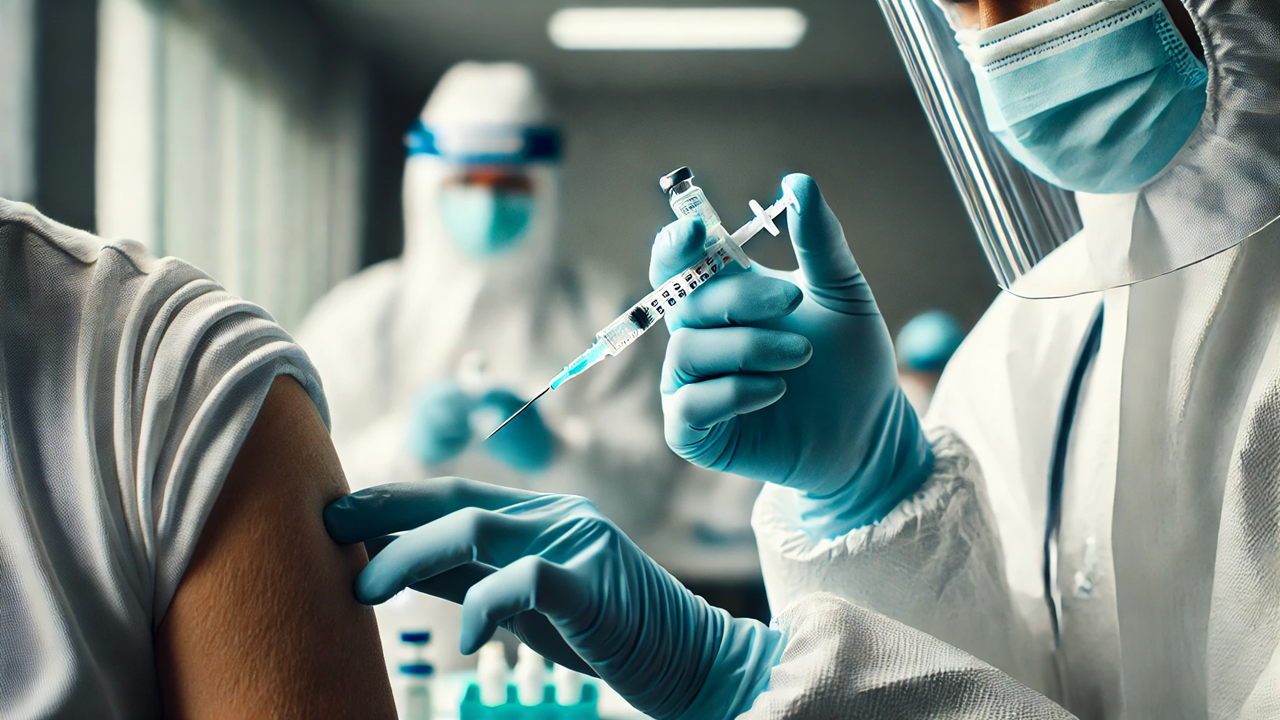
In a decisive push to prevent future global health crises, the World Health Organization (WHO), alongside leading international partners, has launched a comprehensive set of research and development (R&D) roadmaps targeting 10 high-risk pathogen groups, marking a major advancement in global pandemic preparedness.
Announced during the high-level One Health Summit in Lyon, France, the initiative reflects a shift toward faster, science-driven responses capable of delivering diagnostics, treatments, and vaccines before the next pandemic emerges.
A New Scientific Architecture for Pandemic Readiness
The newly launched roadmaps are built on a pathogen family-based approach, a cutting-edge strategy that focuses on entire groups of viruses and bacteria rather than individual diseases. This allows scientists to anticipate threats more effectively and accelerate the development of medical countermeasures.
Central to this effort are WHO's Collaborative Open Research Consortia (CORCs)—a global network of research partnerships designed to unify scientific expertise across disciplines and regions.
"CORCs are transforming global scientific collaboration into a durable, decentralized, and inclusive preparedness system," said Dr. Sylvie Briand, WHO's Chief Scientist. "By focusing on pathogen families and embedding the One Health approach, we can anticipate risks and respond faster than ever before."
Speed as Strategy: The 100-Day Vaccine Goal
A defining ambition of the initiative is to dramatically reduce the time required to develop vaccines against emerging threats. The roadmap aligns closely with the Coalition for Epidemic Preparedness Innovations (CEPI)'s '100 Days Mission', which aims to produce safe and effective vaccines within just 100 days of identifying a new pathogen.
"We don't know what the next pandemic threat will be," said CEPI CEO Dr. Richard Hatchett. "Focusing on entire pathogen families allows us to stay ahead of both known and unknown risks, turning scientific priorities into real-world action that can stop outbreaks early."
To achieve this, CEPI is seeking $2.5 billion in funding for its 2027–2031 strategy, underscoring the scale of investment required to operationalize rapid-response vaccine platforms globally.
From Centralized Science to Global Collaboration
The CORC model represents a major evolution in how pandemic research is organized. Moving away from siloed, pathogen-specific research, the system adopts a network-of-networks approach, bringing together thousands of scientists, institutions, and stakeholders worldwide.
Each consortium focuses on a specific pathogen family—such as coronaviruses, filoviruses, or flaviviruses—and develops detailed R&D roadmaps covering:
-
Pathogen biology and transmission dynamics
-
Animal reservoirs and vectors
-
Surveillance and epidemiology
-
Clinical research and regulatory pathways
-
Development and testing of medical countermeasures
This structure enables faster knowledge sharing, reduces duplication, and ensures more equitable global participation in scientific research.
Targeting the Most Dangerous Pathogens
The initiative prioritizes high-risk pathogen families with strong pandemic potential, including:
-
Coronaviridae (e.g., COVID-19-like viruses)
-
Filoviridae (e.g., Ebola)
-
Flaviviridae (e.g., dengue, Zika)
-
Paramyxoviridae (e.g., Nipah virus)
-
Bacterial threats such as cholera and plague
These consortia are coordinated by leading institutions across multiple countries, including the UK, Brazil, India, France, Singapore, and South Africa—reflecting a truly global scientific effort.
One Health at the Core of Preparedness
The roadmap initiative is deeply embedded in the One Health framework, recognizing that human, animal, and environmental health are interconnected. By integrating expertise from across these domains, the approach enhances early detection of zoonotic threats—responsible for the majority of emerging infectious diseases.
The Lyon event highlighted how combining One Health principles with pathogen-focused R&D can significantly strengthen global readiness and reduce response times during outbreaks.
National Leadership Supporting Global Impact
The Summit also showcased national contributions to global preparedness. France's ANRS Emerging Infectious Diseases agency, for example, is leading efforts on the filoviridae roadmap, demonstrating how country-level expertise can reinforce international systems.
"Work on entire pathogen families shows how national initiatives can contribute to stronger global capacity to detect and respond to threats," said Professor Yazdan Yazdanpanah, Director of ANRS.
Sustaining Momentum: The Need for Political Will and Investment
Despite the progress, global health leaders stressed that success will depend on sustained political commitment, financing, and international cooperation. Without long-term investment, even the most advanced scientific frameworks risk falling short of their potential.
The CORC network already involves thousands of researchers worldwide, but scaling its impact will require continued support from governments, multilateral institutions, and private sector partners.
A Turning Point in Pandemic Prevention
The launch of the R&D roadmaps signals a fundamental shift in global health strategy—from reactive crisis management to proactive, science-led prevention.
By aligning research, accelerating innovation, and fostering global collaboration, WHO and its partners aim to ensure that the world is no longer caught unprepared.
As experts emphasize, the next pandemic is not a question of if, but when. With initiatives like these, the goal is clear: detect faster, respond smarter, and save millions of lives before a crisis spirals out of control.








 Google News