



Panama Canal's Strategic Role in LNG Transport Amid Conflict
The Panama Canal is operating at full capacity with 36 to 38 vessels passing daily. Demand for LNG tankers, particularly from U.S. ports, has increased amid the Iran war. The canal is preparing to offer more daily slots for these vessels, boosting its strategic importance.
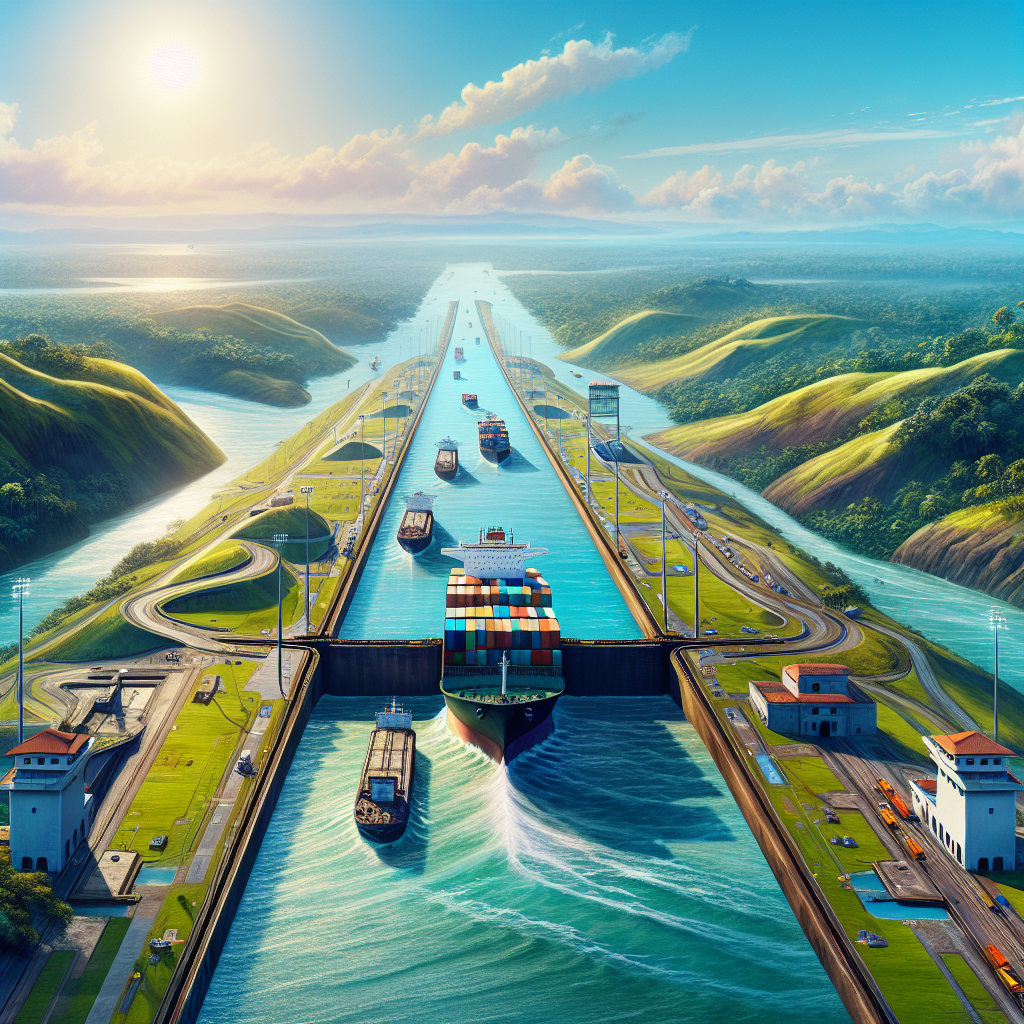
The Panama Canal is currently operating at maximum capacity, accommodating between 36 and 38 vessels daily. According to the waterway's chief, Ricaurte Vasquez, the ongoing conflict in Iran is driving greater demand for the passage of liquefied natural gas (LNG) tankers, especially those loading at U.S. ports.
Previously, the Panama Canal had already been experiencing a rise in LNG vessel traffic. However, the current geopolitical tensions have further amplified this trend, prompting canal authorities to up their game. In a bid to meet the surge in demand, the canal is set to provide one dedicated slot per day for LNG tankers, significantly increasing from the previous capacity of four slots per month.
Such adjustments highlight the canal's pivotal position as the world's second busiest waterway and underscore its critical role in facilitating international LNG trade, especially in times of geopolitical instability.
ALSO READ
-
Global Bond Yields Surge Amid Iran War: Inflation Fears Mount
-
Panama Canal's 2026 Maintenance: Ensuring Seamless Transit
-
Satellite Images Reveal the Hidden Toll of the Iran War
-
Congress Questions $200 Billion Iran War Funding Request
-
Panama Canal: A Lifeline for Asian Refiners Amidst U.S.-Israeli Conflict








 Google News