



Global Child Deaths Fall, But Progress Stalls: Nearly 5 Million Children Die Before Age Five in 2024
Global under-five deaths have dropped by more than 50% since 2000, marking one of the most significant public health achievements in recent history.
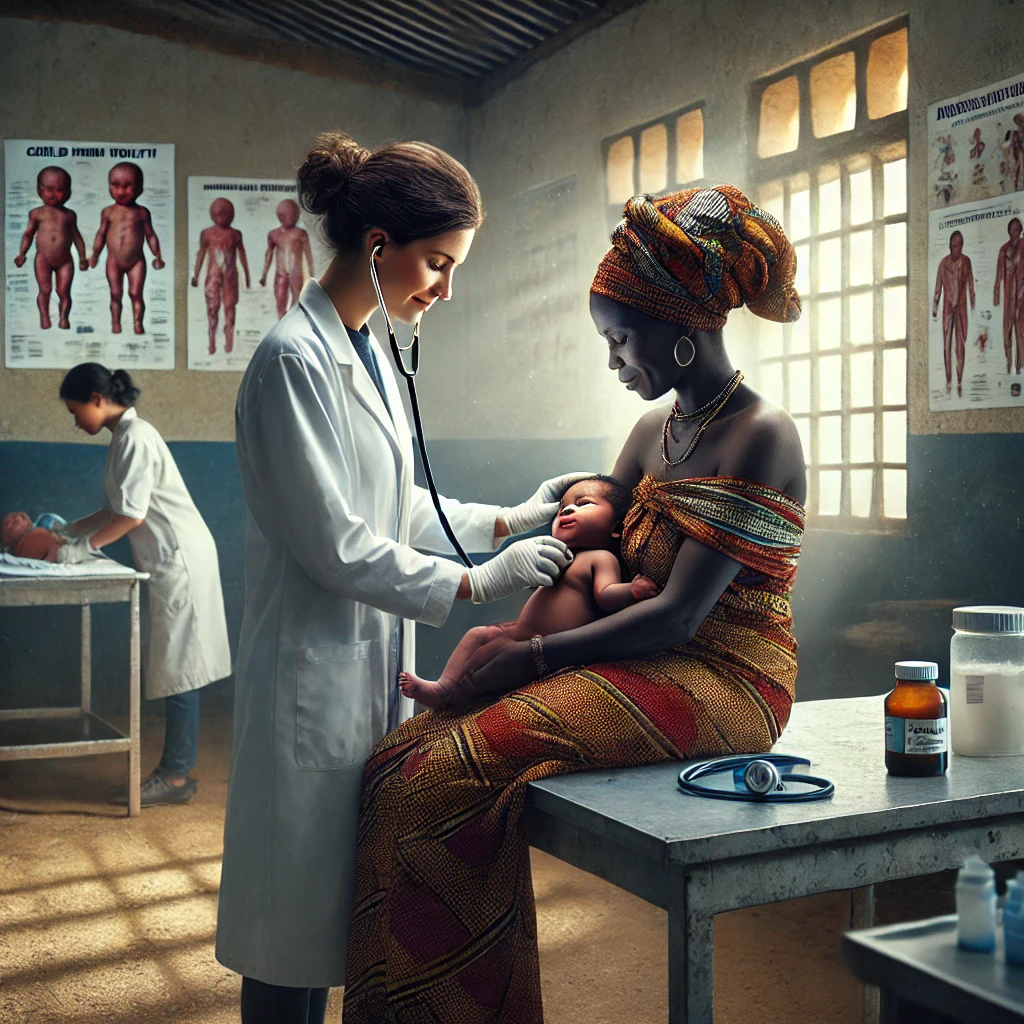
Despite decades of progress in reducing child mortality, an estimated 4.9 million children died before their fifth birthday in 2024, including 2.3 million newborns, according to a new global report. Alarmingly, experts warn that the pace of progress has slowed sharply, threatening global targets and leaving millions of preventable deaths unaddressed.
The findings, published in the latest Levels & Trends in Child Mortality report, present the most comprehensive picture to date of where, why, and how children, adolescents, and youth are dying worldwide.
Progress Slowing After Decades of Gains
Global under-five deaths have dropped by more than 50% since 2000, marking one of the most significant public health achievements in recent history. However, since 2015, the rate of decline has slowed by over 60%, raising concerns about stalled momentum.
Experts attribute this slowdown to funding constraints, fragile health systems, conflict, and climate-related disruptions, all of which are undermining access to essential health services.
"No child should die from diseases that we know how to prevent," said UNICEF Executive Director Catherine Russell. "We are seeing worrying signs that progress is slowing—at a time when global budget cuts are intensifying."
New Data Highlights Hidden Role of Malnutrition
For the first time, the report includes direct estimates of deaths caused by severe acute malnutrition (SAM). In 2024 alone:
-
Over 100,000 children aged 1–59 months died directly from SAM
-
These deaths accounted for 5% of under-five mortality
The actual toll is believed to be significantly higher, as malnutrition often goes unrecorded as an underlying cause. By weakening immunity, it dramatically increases the risk of death from infections such as pneumonia, diarrhoea, and malaria.
Countries such as Pakistan, Somalia, and Sudan were identified among those with the highest burden of direct SAM-related deaths.
Newborn Deaths Remain a Critical Challenge
Newborns—children in their first month of life—account for nearly half of all under-five deaths, reflecting slower progress in addressing risks around childbirth.
The leading causes of newborn deaths include:
-
Preterm birth complications (36%)
-
Labour and delivery complications (21%)
-
Infections such as neonatal sepsis
-
Congenital anomalies
These deaths are largely preventable through quality antenatal care, skilled birth attendance, and essential newborn services, yet access remains uneven across regions.
Infectious Diseases Still Major Killers
After the neonatal period, infectious diseases continue to dominate child mortality:
-
Malaria (17%) remains the single largest killer
-
Pneumonia and diarrhoea continue to claim millions of lives
Progress in reducing malaria deaths has slowed in recent years, particularly in sub-Saharan Africa, where the burden is concentrated. Countries such as Nigeria, Democratic Republic of the Congo, Niger, and Chad remain hotspots due to conflict, climate shocks, drug resistance, and gaps in healthcare access.
Stark Regional Inequalities Persist
Child mortality remains highly concentrated in a few regions:
-
Sub-Saharan Africa: 58% of global under-five deaths
-
Southern Asia: 25% of global under-five deaths
In sub-Saharan Africa, infectious diseases account for 54% of deaths, compared to just 9% in Europe and Northern America and 6% in Australia and New Zealand—highlighting stark disparities in access to life-saving interventions.
In Southern Asia, deaths are primarily driven by newborn complications, underscoring the urgent need for improved maternal and neonatal care systems.
Children in Conflict Zones at Highest Risk
Children born in fragile and conflict-affected settings are nearly three times more likely to die before age five than those in stable environments.
Health system disruptions, displacement, and limited access to nutrition and care continue to exacerbate risks in these regions.
Risks Shift in Adolescence
The report also estimates that 2.1 million children, adolescents, and youth aged 5–24 died in 2024.
Key causes vary by age and gender:
-
Younger children: infectious diseases and injuries
-
Adolescent girls (15–19): self-harm is the leading cause
-
Adolescent boys (15–19): road traffic injuries dominate
These findings highlight the need for age-specific health interventions and mental health support systems.
Funding Pressures Threaten Hard-Won Gains
Global shifts in development financing are placing maternal, newborn, and child health programmes under strain, affecting:
-
Health data systems
-
Surveys and monitoring mechanisms
-
Delivery of essential services
Experts warn that without sustained investment, progress could reverse.
"The world has made remarkable progress, but many children still die from preventable causes," said WHO Director-General Dr Tedros Adhanom Ghebreyesus. "We must protect essential health and nutrition services—especially for the most vulnerable."
High Returns on Investment in Child Health
The report underscores that investments in child survival are among the most cost-effective in global development:
-
Every $1 invested can generate up to $20 in social and economic returns
Proven interventions include:
-
Vaccination programmes
-
Treatment for severe acute malnutrition
-
Skilled care during pregnancy and childbirth
-
Strengthened primary healthcare systems
A Call for Urgent Global Action
Global leaders and development institutions are calling for renewed commitment to accelerate progress:
-
Prioritize child survival in national policies and budgets
-
Focus on high-burden regions and vulnerable populations
-
Strengthen accountability through better data systems
-
Invest in primary healthcare and community-based services
UN Under-Secretary-General Li Junhua described the findings as "a stark reminder that too many countries are off track to meet the Sustainable Development Goals."
The Road Ahead
While the science and solutions to prevent child deaths are well established, the challenge lies in scaling them equitably and sustainably.
"These findings are a collective call to action," said World Bank Health Director Monique Vledder. "We must accelerate access to quality primary health services so every child has the chance to survive and thrive."
With renewed political will, targeted investments, and strengthened health systems, experts say millions of lives can still be saved—ensuring that progress resumes and no child is left behind.
ALSO READ
-
Stalling Progress in Child Mortality Reduction: A Global Concern
-
Bharat Biotech: Celebrating Three Decades of Vaccine Innovation and Global Health Impact
-
Over 1,100 Children Reported Killed or Injured in Escalating Middle East Conflict, UNICEF Warns
-
NITI Aayog, UNICEF India Partner to Strengthen Nutrition and Health in Aspirational Regions
-
WHO Updates Global Health Inequality Data Tools








 Google News