



Unraveling Parkinson's: New Insights from Australian Study
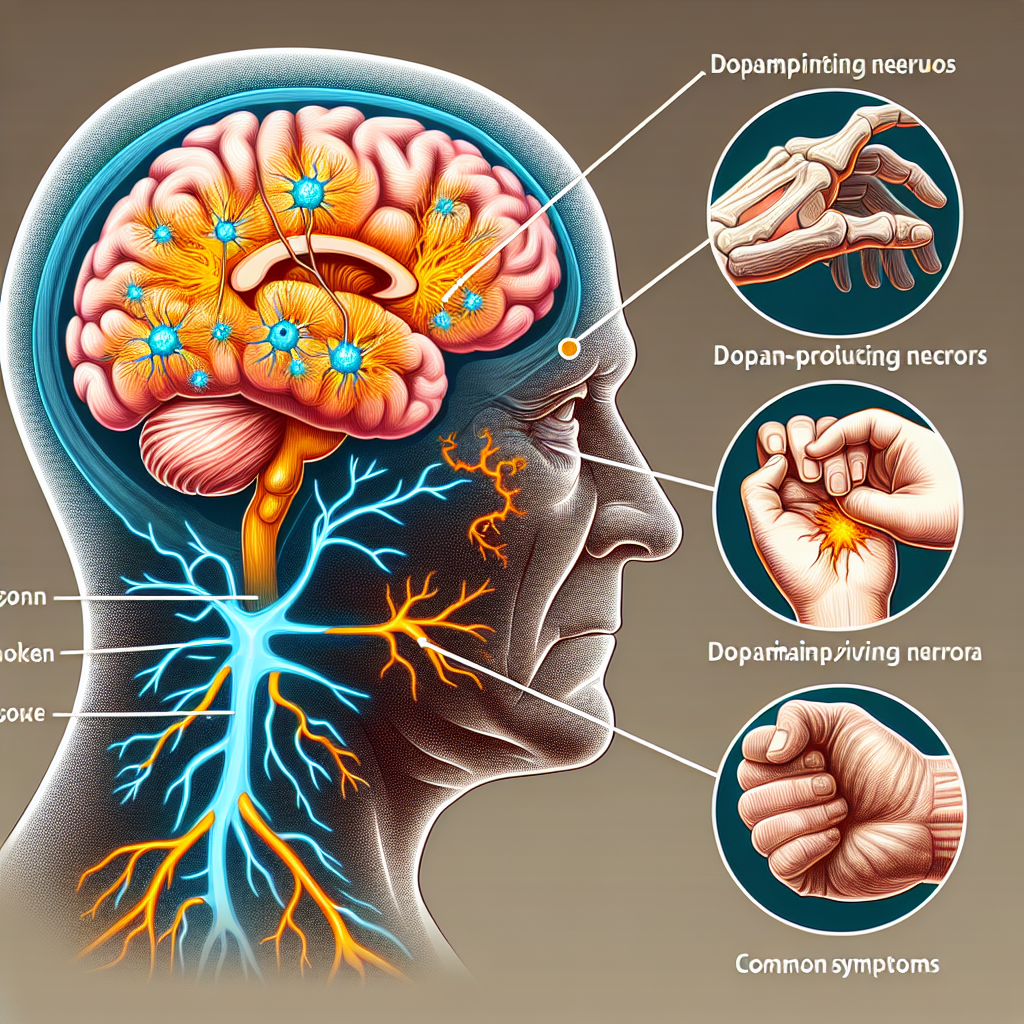
A recent study in Australia provides new insights into Parkinson's disease, emphasizing the prevalence of non-motor symptoms, the role of genetics and environment, and gender differences in its progression. This ongoing research is crucial for understanding risk factors and could lead to more personalized treatment approaches.
- Country:
- Australia
Parkinson's disease is the fastest-growing neurological disorder globally, with over 10 million cases reported. In Australia alone, 150,000 individuals are affected, with 50 new cases diagnosed daily. By 2050, the number of cases is expected to more than triple.
A groundbreaking study by the QIMR Berghofer Medical Research Institute surveyed almost 11,000 Australians with Parkinson's, shedding light on symptoms, risk factors, and differences between sexes. Non-motor symptoms such as mood changes, cognitive difficulties, and sleep disturbances were found to be prevalent, often impacting quality of life more than motor symptoms.
The research highlights the role of both genetics and environment in disease occurrence. While 25% had a family history, environmental factors like pesticide exposure and brain injury significantly contributed to risk. Gender differences were also noted, with varying symptom onset ages and symptom severity between men and women.








 Google News