



US Job Market Faces Unique Challenges with Rising Productivity and Shifting Labor Dynamics
White House economic adviser Kevin Hassett discusses the implications of slower labor force growth and higher productivity on U.S. job gains, amidst shifting immigration policies and economic dynamics. With productivity potentially lifting economic growth, the debate over job numbers and central bank policies continues.
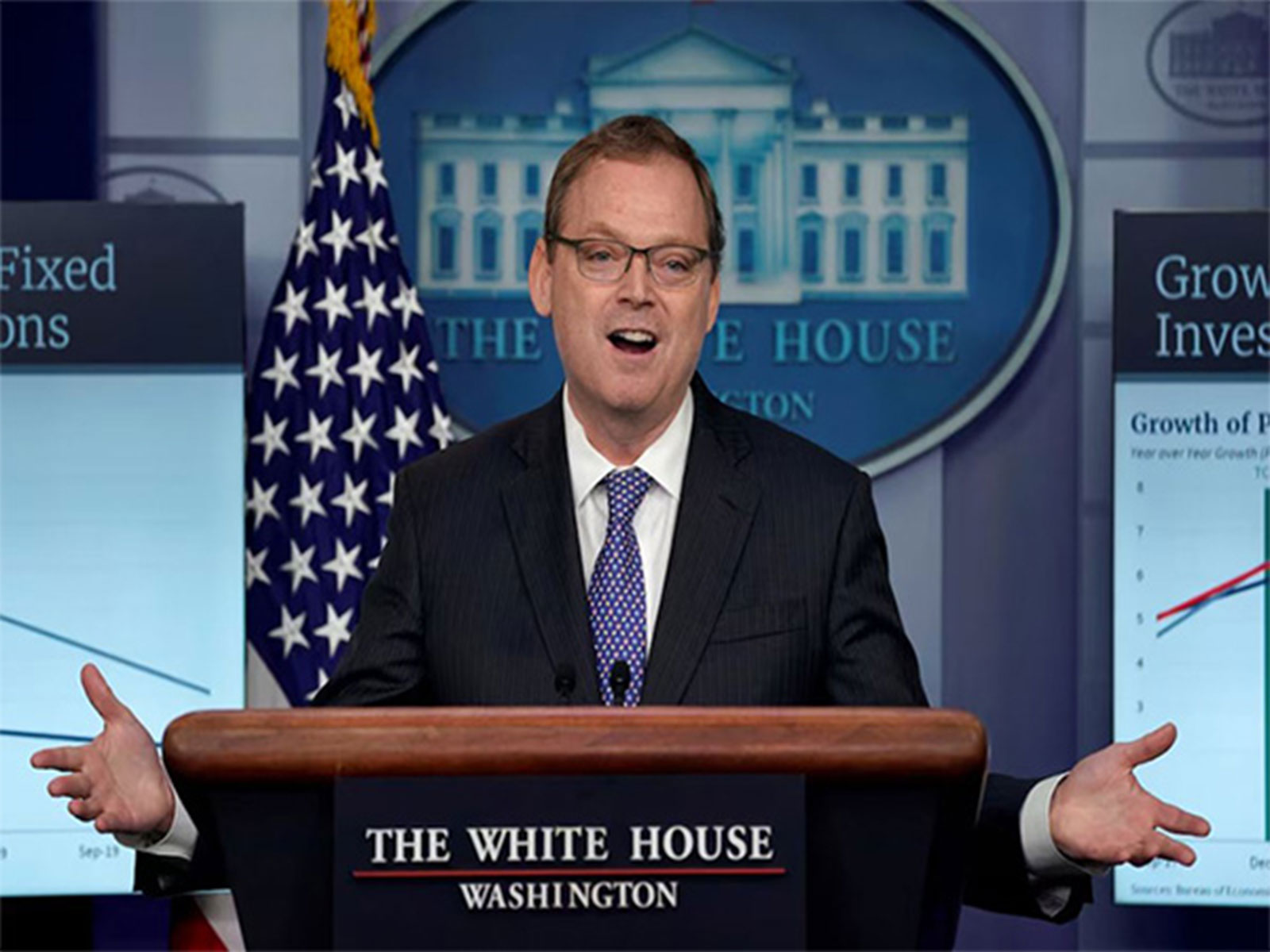
In recent statements, White House economic adviser Kevin Hassett has highlighted a potential shift in the U.S. labor market. As productivity growth surges, job gains may slow down due to decreasing labor force growth. This scenario forms a key part of ongoing debates at the Federal Reserve concerning future policy decisions.
Monthly employment figures show a notable decline, with an average increase of 53,000 positions in late 2017 compared to pre-pandemic levels. The transition in job growth is partly attributed to changes in immigration policies under former President Trump. This complicates the economic analysis regarding the availability of labor versus economic strength.
Federal Reserve Chair Jerome Powell has echoed Hassett's concerns. Powell notes this 'quite unusual situation' poses challenges in interpreting labor market trends. As productivity rises, higher wages and bottlenecks could lead to inflation concerns, influencing the Fed's decisions on interest rates and economic support measures.








 Google News