



Fertilizer Shortages: A Looming Threat to Global Stability
Fertilizer shortages due to the Iran war pose a significant threat to food security in developing countries. While rising oil and gas prices offer temporary gains, the focus remains on ensuring stable fertilizer supplies. The International Trade Centre emphasizes the urgency of securing alternatives amid geopolitical tensions.
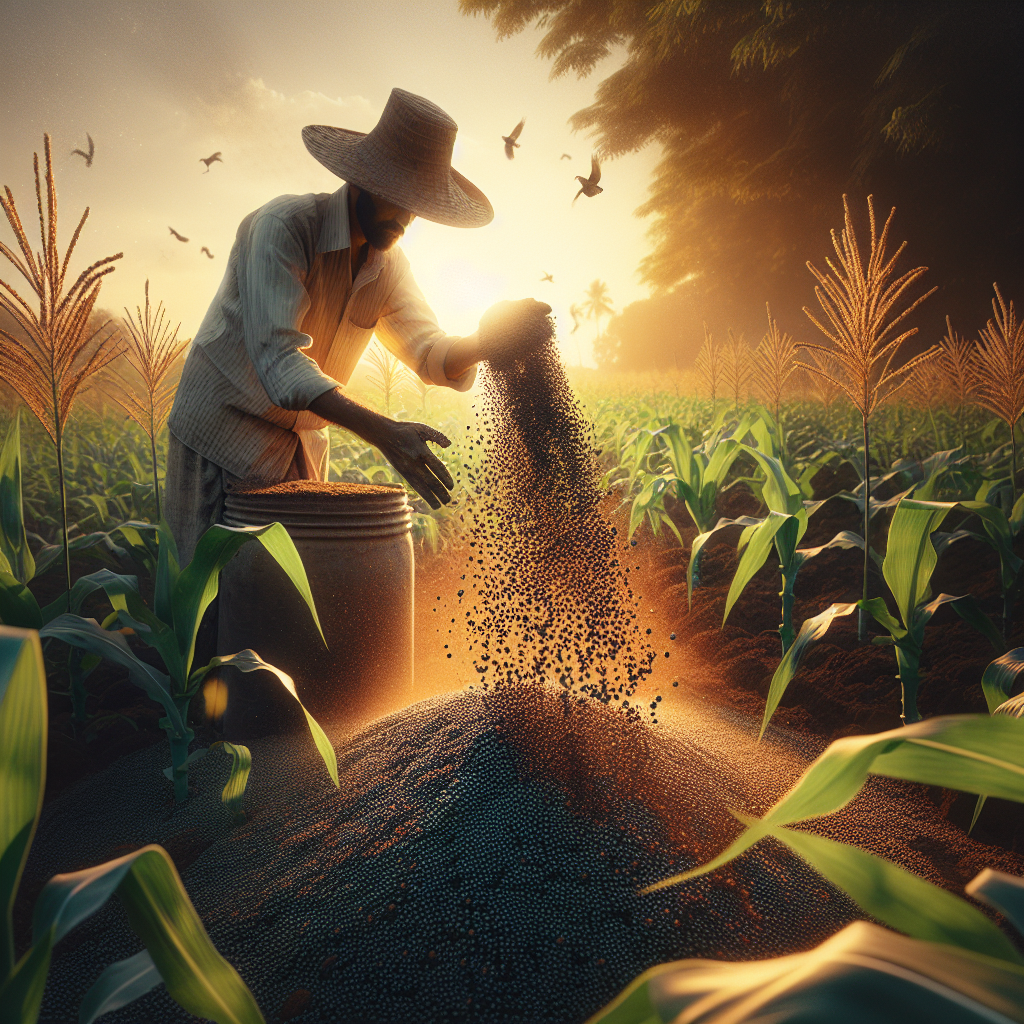
Fertilizer shortages, exacerbated by the ongoing war in Iran, are emerging as a critical issue for developing countries, as emphasized by Pamela Coke-Hamilton, the head of the United Nations trade agency.
Coke-Hamilton highlighted the direct impact of fertilizer scarcity on food security, which she noted is integral to maintaining stability across regions. Although the oil and gas sector can source materials elsewhere, allowing for short-term adaptability, the blockade at the Strait of Hormuz creates challenging dynamics for a third of the world's urea supply.
The International Trade Centre underscores the pressing need to secure fertilizer supplies to avert a significant decline in agricultural yields, especially in rain-dependent areas like Sub-Saharan Africa and South Asia. The pursuit of alternative suppliers, such as those in North Africa, is vital to bridging the supply gap, they advise.
ALSO READ
-
India Charts Roadmap for Fertilizer Self-Reliance: NAAS Calls for Policy Shift, Innovation and Sustainable Practices
-
Global Economic Ripple: Fuel and Fertilizer Prices Surge Amid Middle East Conflict
-
UN Initiative Aims to Safeguard Fertilizer Shipments in Hormuz
-
Sindh's NICH Faces Chronic Shortages Amid Massive Patient Influx
-
Lebanon's Growing Food Security Crisis Amid Regional Conflict








 Google News