



Navigating Blockades: Iran-Linked Tankers and U.S. Sanctions
A third Iran-linked tanker was entering the Gulf via the Strait of Hormuz amid a U.S. blockade on vessels calling at Iranian ports. Despite the blockade, tankers continue operations, with some heading towards non-Iranian destinations such as Hamriyah in the UAE. The U.S. imposed sanctions affect operations and political dynamics.
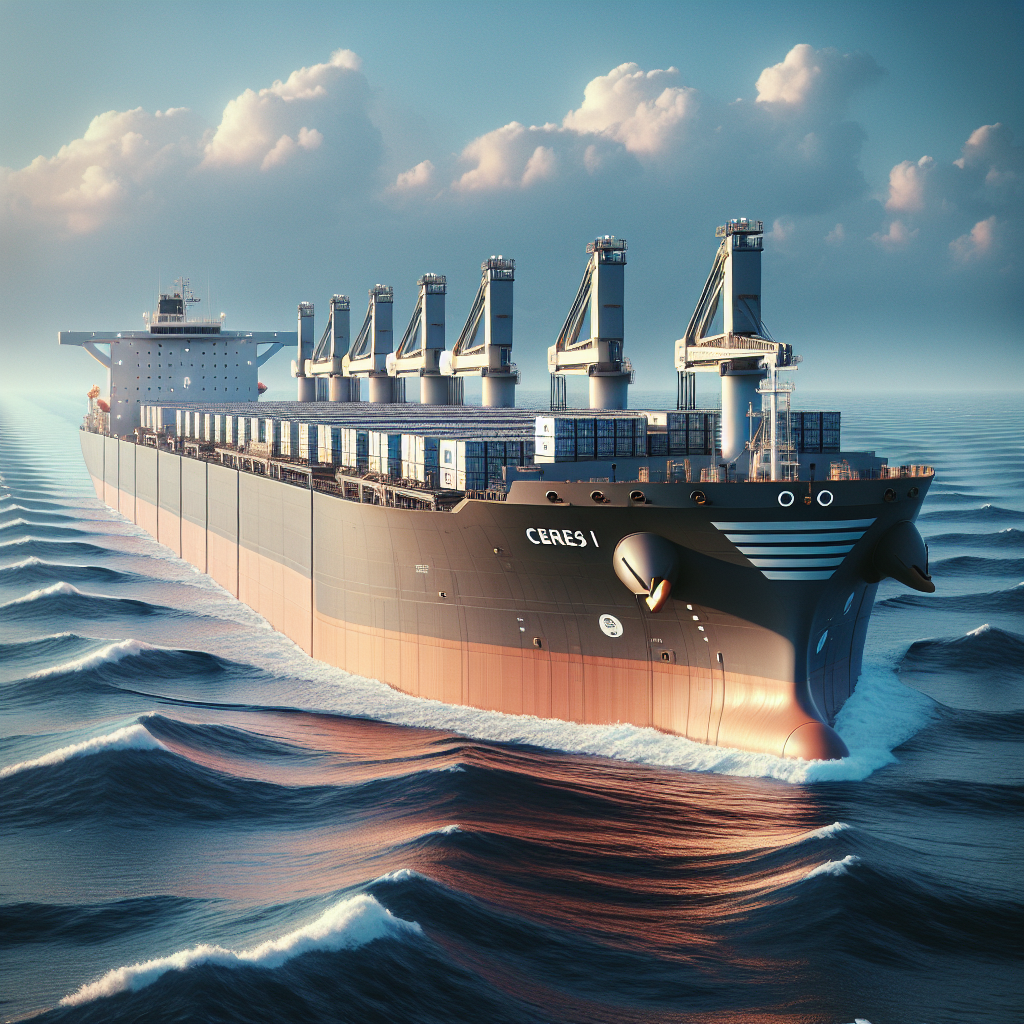
A third Iran-linked tanker transiting the Strait of Hormuz underscores ongoing maritime activity despite U.S. sanctions targeting vessels bound for Iranian ports. Shipping data highlights that this medium-range tanker, Peace Gulf, is en route to Hamriyah port in the United Arab Emirates.
The sanctions, announced by President Donald Trump, come in the wake of unsuccessful peace discussions between the U.S. and Iran in Islamabad. However, the current naval movements show tankers like Peace Gulf and others are bypassing Iranian ports to avoid the blockade's implications.
U.S.-sanctioned tankers, such as Murlikishan and Rich Starry, demonstrate the ongoing necessity of oil transport across regions. While Murlikishan heads to Iraq to load fuel oil, Rich Starry, equipped with Chinese crew, transports methanol and marks the first sanctioned passage exiting the Gulf since the blockade started. China's response to the blockade describes it as 'dangerous and irresponsible,' reflecting heightened geopolitical tensions.








 Google News