



Gulf Desalination: A Vital Lifeline Amidst Rising Tensions
The Gulf region's heavy reliance on desalination plants is under threat from potential Iranian military actions amidst geopolitical tensions. Desalinated water, crucial for countries like the UAE and Qatar, accounts for a significant portion of their potable supply. Threats to this infrastructure could result in dire humanitarian and economic outcomes.
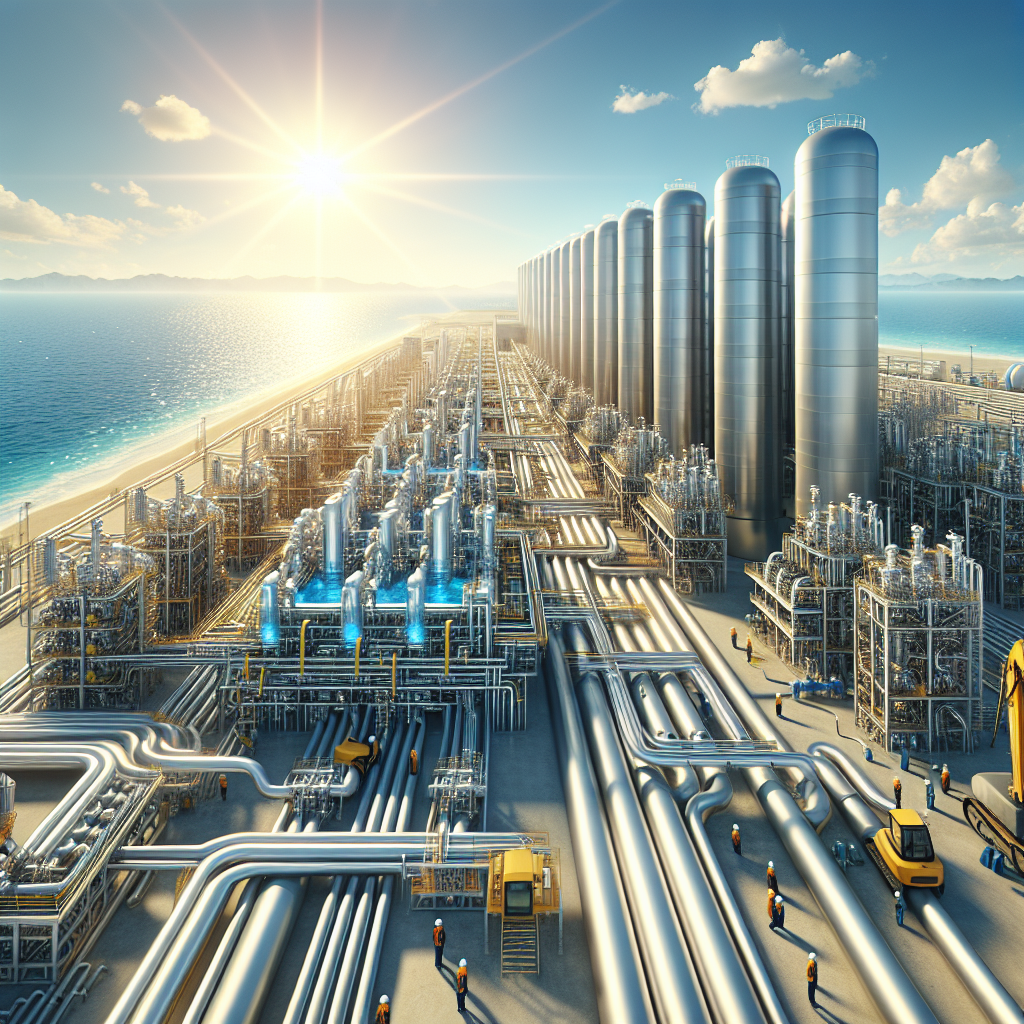
The Iranian military has signaled its readiness to target desalination plants and other key infrastructure in the Gulf region if the U.S. acts on threats to Iran's energy facilities over the Strait of Hormuz closure. This highlights the profound reliance of Gulf states on desalinated water.
Countries like the UAE, Bahrain, and Qatar are nearly or entirely dependent on desalination for potable water. Any disruption could unleash severe humanitarian and economic crises, with consequences like widespread water shortages and power outages, according to international security experts.
The Gulf Cooperation Council, comprising Bahrain, Kuwait, Oman, Qatar, Saudi Arabia, and the UAE, together produce a third of the world's desalinated water. As regional tensions heighten, these nations are focusing on fortifying their water security, with Saudi Arabia and Qatar developing large-scale water storage facilities to mitigate potential supply disruptions.








 Google News