



Aluminium Supply Chain Crisis: The Unseen Impact of the Iran War
An unforeseen supply crisis in aluminium grips the market due to the Iran war's impact on Gulf smelters, driving prices up. The war's disruption of key production assets highlights the vulnerability of the Western aluminium supply chain. Metals markets face challenges with rising energy prices affecting demand.
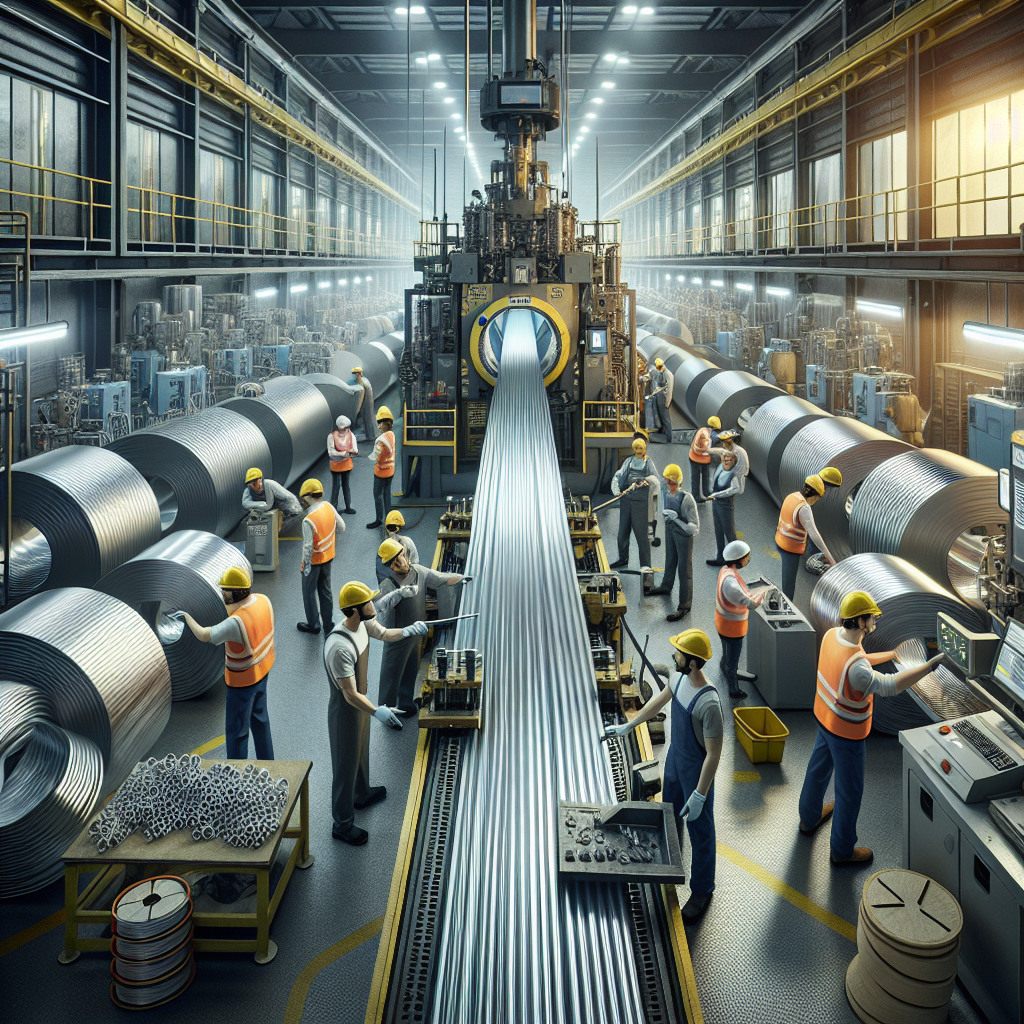
The onset of the Iran war has initiated an unexpected crisis in the aluminium supply chain, with Gulf smelters suffering missile damage and significant logistical challenges owing to the closure of the Strait of Hormuz. This has driven aluminium prices to their highest since 2022, signaling potential long-term repercussions on the market.
Key Gulf smelters, accounting for a significant portion of global aluminium exports, have experienced operation constraints and direct attacks, dramatically lowering production capacity. Analysts note this highlights the fragility within the global aluminium supply chain and the ripple effects being felt across the market.
Beyond aluminium, other base metals like copper and tin have seen speculative activity in response to market narratives of demand growth versus supply constraints. However, surpluses in stocks indicate no immediate shortages, contrasting the acute crises facing the aluminium industry.
ALSO READ
-
Escalating Conflict: The Rising Death Toll in the Iran War
-
Plastics Declared Essential Amidst Supply Crisis
-
Satellite Imagery Restrictions Amid Iran War: A New Policy by the US Government
-
Zelenskyy Cautions on US Shift Amid Iran War, Ukraine Needs Patriots
-
Potential White House Cabinet Shake-Up Looms Amid Iran War Fallout








 Google News