



Conflict in the Gulf: A Race Against Time
The U.S. anticipates its military operation against Iran will conclude in weeks without ground troops. Amid escalating tensions, Washington has increased its military presence in the region. The conflict has severely impacted global trade and energy prices, while diplomatic efforts persist amidst ongoing hostilities.
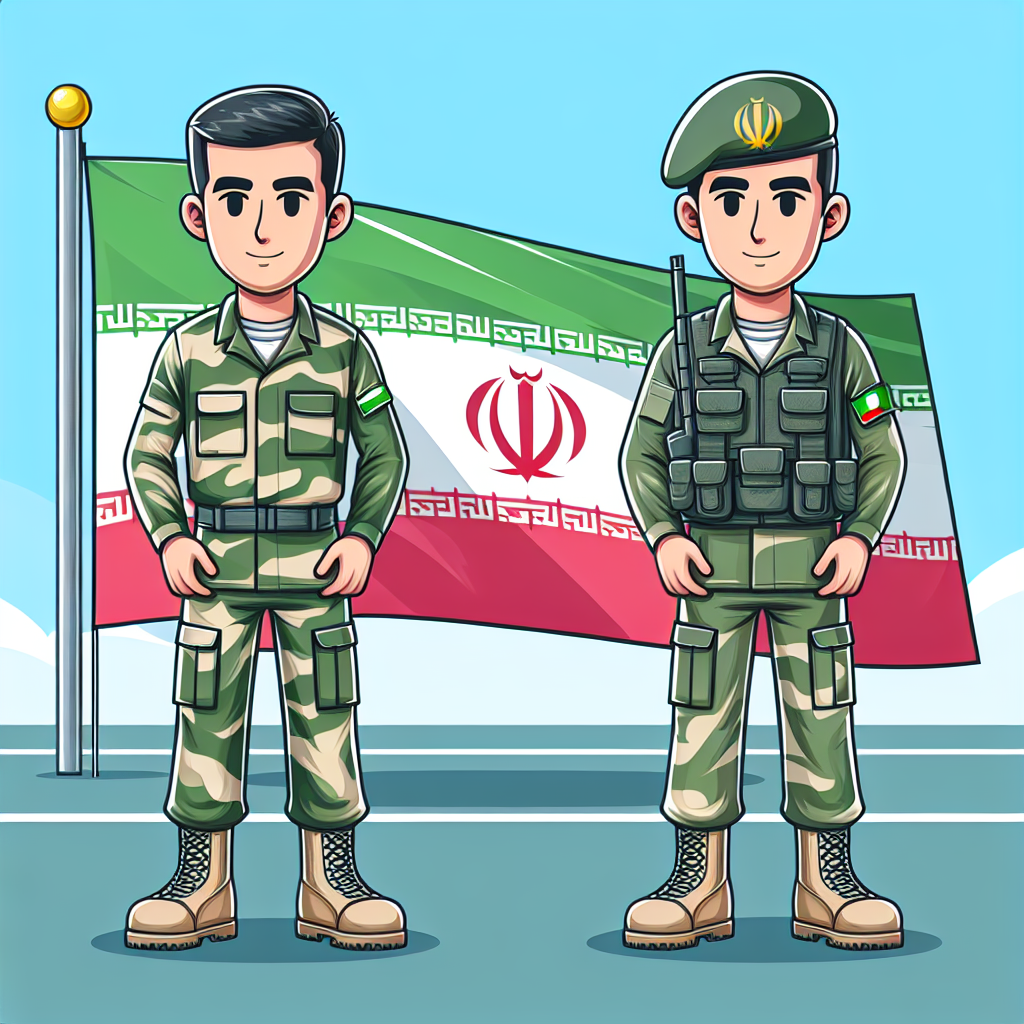
The United States expects its military operation against Iran to conclude within weeks, with Washington confident of meeting its goals without deploying ground troops, according to U.S. Secretary of State Marco Rubio. Rubio, speaking in France, indicated that the operation is proceeding on schedule.
As tensions rise, Washington has sent thousands of Marines and elite airborne soldiers to the region, leading to fears of a prolonged ground conflict. The February 28 airstrikes by the U.S. and Israel have already disrupted global trade and raised energy prices. President Trump is eager to wind down the conflict, emphasizing talks towards a diplomatic solution, while increasing pressure on Iran through threats against civilian infrastructure if the Strait of Hormuz remains blocked.
Despite increased diplomatic efforts, Iran's response remains strong. Late Friday, Iranian media reported strikes on their nuclear facilities. The war has escalated, impacting the global economy and energy supplies, while stock markets continue to respond negatively to ongoing developments in the conflict.
ALSO READ
-
Iran's Heavy Water Plant and Steel Factory Strikes: No Radiation Threat
-
Houthis Signal Potential Military Intervention in US-Israel-Iran Tensions
-
U.S. Markets Brace for Job Report Amidst Iran Conflict and Surging Oil Prices
-
Dow Dives: Major U.S. Indexes Plunge Amid Middle East Tensions
-
Iranian Hackers Breach FBI Director's Email








 Google News