



Global Tensions Surge: Iran-U.S. Conflict and Its Economic Repercussions
The U.S.-Iran conflict intensifies as President Trump declares Iran desperate for a deal, contradicted by Iranian officials denying negotiations. The ongoing conflict exacerbates global economic issues, including rising oil prices due to the blockade of the Strait of Hormuz. Worldwide economic stability is threatened as nations navigate a precarious situation.
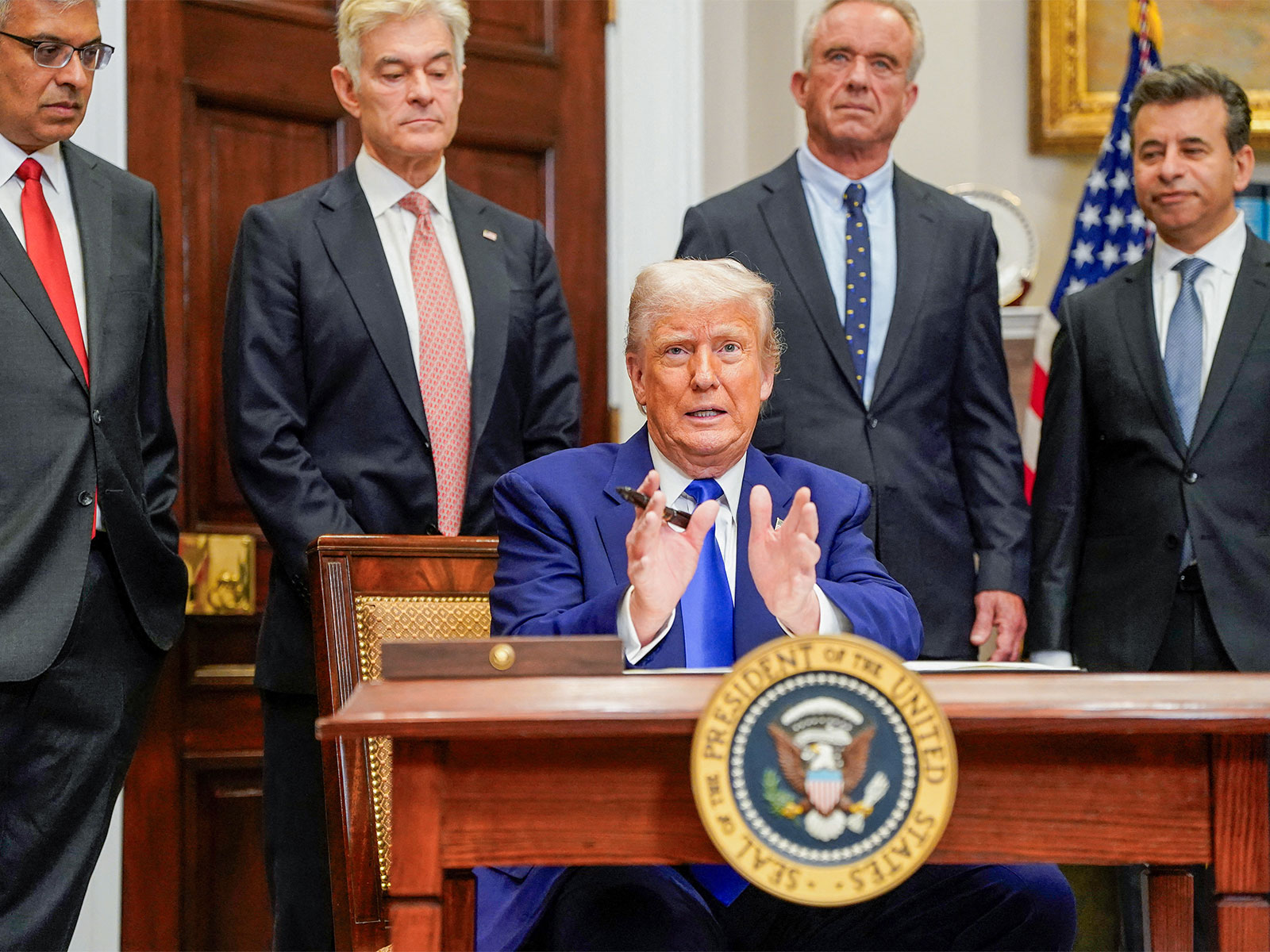
President Donald Trump claims that Iran is eager to reach a deal to end the ongoing conflict, contradicting statements from Iran's foreign minister. The Iranian government maintains they are evaluating a U.S. proposal but are not negotiating. Amid these conflicting statements, the global economic fallout from the conflict continues to grow.
The blockade of the Strait of Hormuz by Iran has sent shockwaves globally, causing shortages and price surges in various sectors. This disruption affects industries across the board, from airlines to local markets, as businesses and governments scramble to limit the damage. The scale of the crisis is reminiscent of the economic upheavals experienced during the COVID-19 pandemic.
Tensions are heightened as military actions continue, with both the U.S. and Israel engaging in widespread strikes. Global leaders and organizations are calling for diplomatic solutions, fearing the possibility of an even broader regional conflict. The situation remains volatile as military preparations intensify and diplomatic pathways are still explored.








 Google News