



Revving Up Qualifying: F1 Adjusts Energy Rules for More Thrilling Races
Formula One has revised its energy management rules for the Japanese Grand Prix qualifying. The adjustment reduces the maximum energy drawn from hybrid power units from 9 MJ to 8 MJ, allowing drivers to focus more on performance rather than energy conservation, ensuring more thrilling and competitive races.
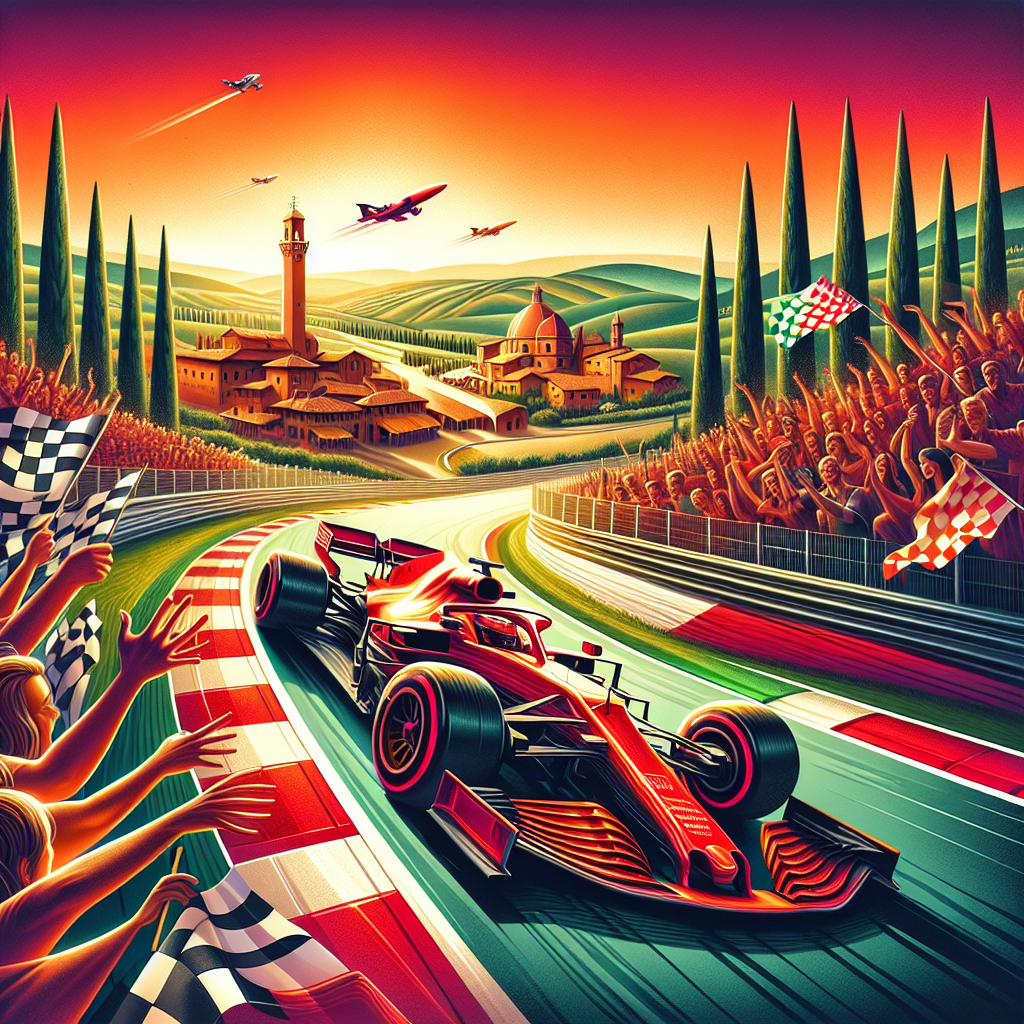
Formula One's governing body has modified the energy management rules for the Japanese Grand Prix qualifying rounds.
The International Automobile Federation (FIA) announced that the maximum energy teams can extract from their hybrid power units during the critical Saturday qualifying session will drop from 9 to 8 megajoules (MJ). This decision follows unanimous approval from the sport's power unit manufacturers and aims to maintain a balance between energy use and driver performance.
The shift responds to feedback that current rules, which split power units nearly equally between electric and combustion, necessitated drivers to manage power usage strategically, dampening the qualifying thrill. With this rule change, drivers can now focus more on performance.








 Google News