



Gulf States' Thirst: The Vital Role of Desalination
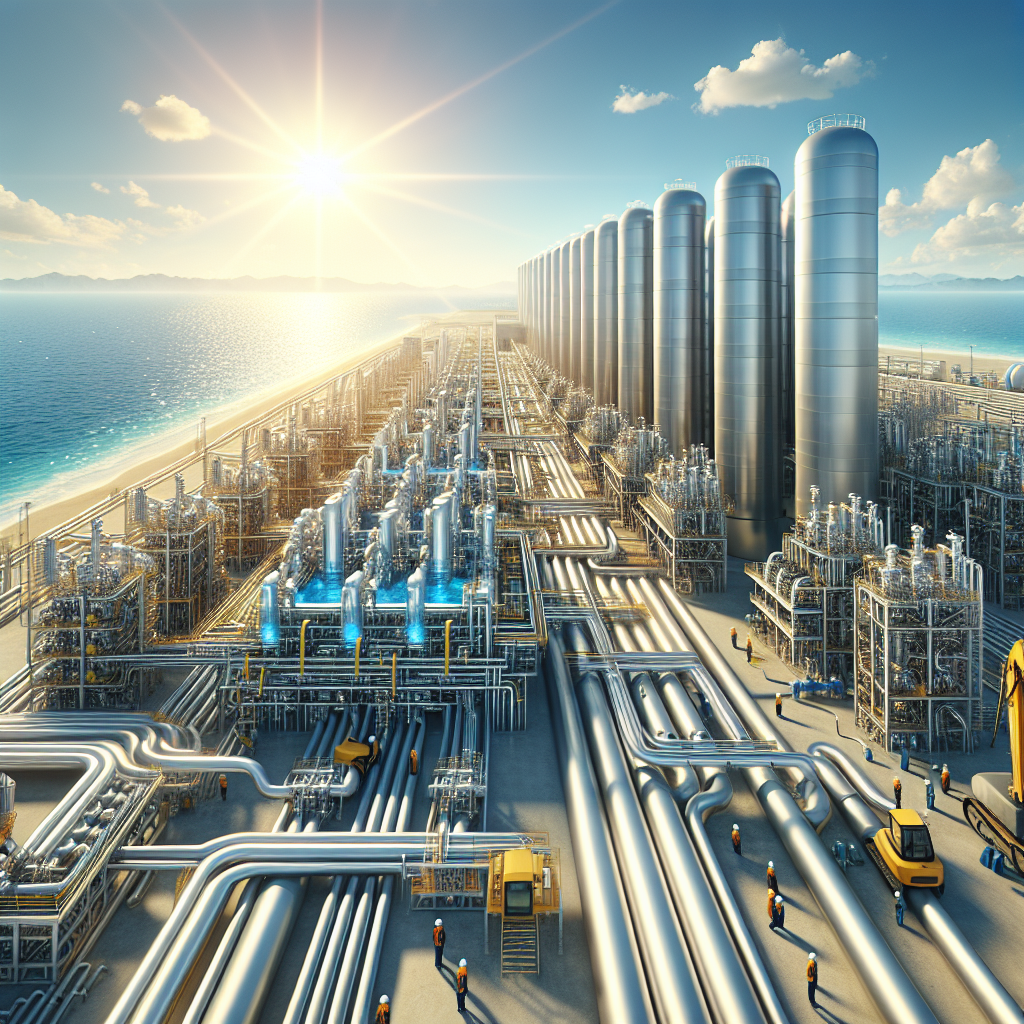
Iran has warned it might attack desalination and other infrastructure if the U.S. targets its energy infrastructure over the Strait of Hormuz closure. Gulf Arab states heavily rely on desalination, with countries like Bahrain, Qatar, and the UAE almost entirely dependent on it for their water supply.
- Country:
- United Arab Emirates
The Iranian military has issued a stern warning, threatening attacks on desalination plants and other essential infrastructure in the region. This move is in response to the U.S. threat targeting Iran's fuel and energy infrastructure following the closure of the strategic Strait of Hormuz.
Vital for survival, Gulf Arab states extensively depend on desalination for their water needs. In the United Arab Emirates, desalinated water constitutes over 80% of drinking water. By 2016, Bahrain became fully reliant on it, with officials reserving all groundwater for emergencies.
Qatar, similarly, hinges entirely on desalinated water. Saudi Arabia, despite its larger reservoir of natural groundwater, sources around 50% of its water supply from desalination, according to recent statistics. Together, Bahrain, Kuwait, Oman, Qatar, Saudi Arabia, and the UAE produce about a third of the world's desalinated water, hosting several of its largest plants.
ALSO READ
-
Middle East Tensions Explode: Iran and Allies Target Israel
-
Escalation in the Middle East: Iran and Hezbollah Intensify Strikes on Israel
-
Kashmir's Generosity Shines: A Community Unites for Iran's Aid
-
Gulf Crisis: Escalating Tensions as U.S. and Iran Threaten Energy Strike
-
Tensions Flare as Trump Threatens Iran Amidst Missile Strikes in Israel








 Google News