



Trump Administration's Sanction Waiver: A Strategic Tactic to Stabilize Oil Prices
The Trump administration temporarily waived sanctions on Iranian oil to curb rising oil prices impacted by U.S.-Israeli conflict with Iran. This move, designed to relieve energy supply pressures and benefit global markets, coincides with concerns ahead of U.S. midterm elections and signals further strategic maneuvers in international oil diplomacy.
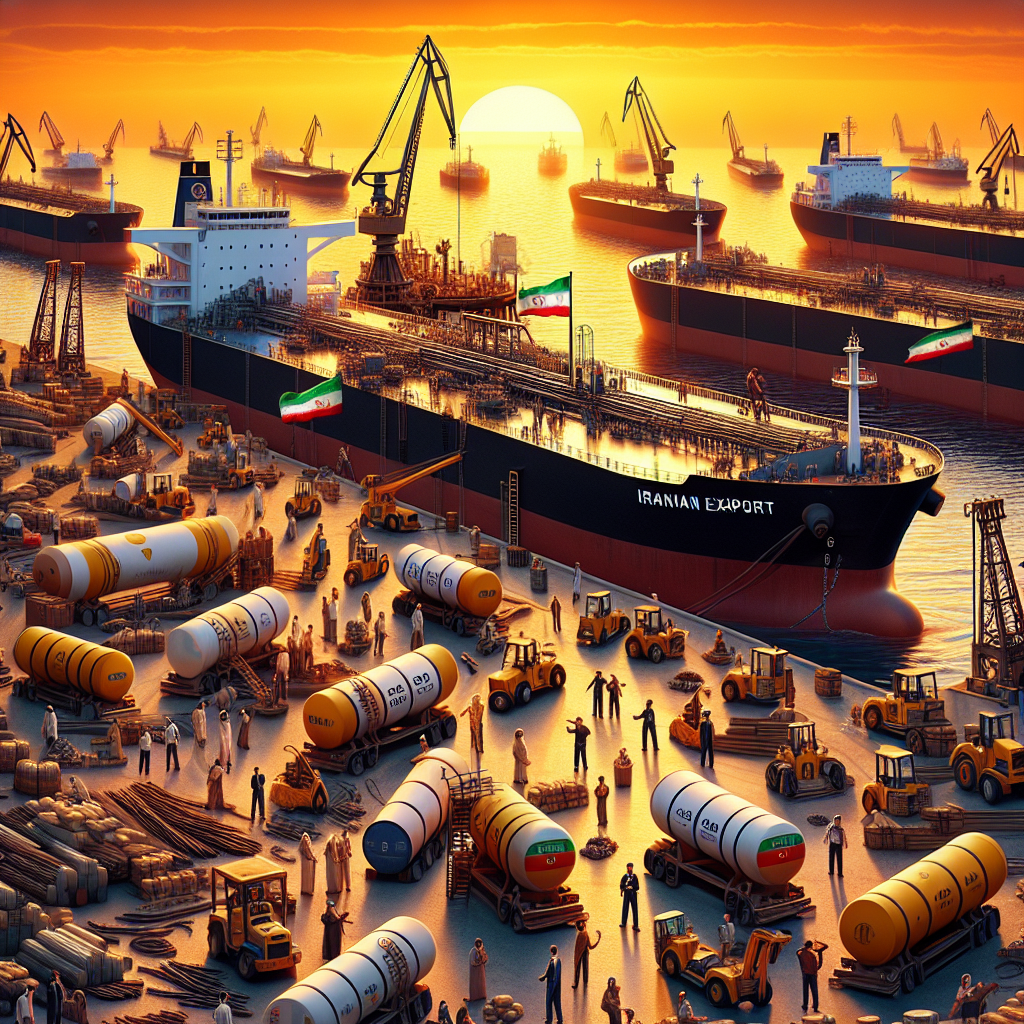
The Trump administration has temporarily waived sanctions on the purchase of Iranian oil at sea for 30 days, aiming to stabilize surging oil prices amid the ongoing U.S.-Israeli conflict with Iran. This strategic move is expected to inject approximately 140 million barrels into global markets, alleviating pressure on energy supplies.
The decision comes in the wake of heightened concerns that escalating oil prices could negatively impact U.S. businesses and consumers, especially with the November midterm elections approaching. The waivers, part of broader efforts to control energy costs, reflect the complexity of geopolitics affecting global oil supply chains.
Energy Secretary Chris Wright stated that the additional supply could reach Asia within days, offering short-term relief in refining capacities. However, the overall impact remains contingent on the reopening of the Strait of Hormuz, a crucial conduit for the world's oil trade, currently threatened by regional tensions.
ALSO READ
-
Turmoil in the Trump Administration: From ICE Arrests to AI Policy
-
US pauses sanctions on Iranian oil stranded on tankers at sea until April 19, as Washington seeks to curb soaring prices, reports AP.
-
Temporary Sanctions Waiver Eases Global Energy Supply
-
U.S. Permits Limited Iranian Oil Trade
-
New Jersey Takes Legal Action Against Trump Administration's Detention Facility Plans








 Google News