



The 'TACO' Strategy: Navigating Trump's Geopolitical Gambits
Amidst ongoing U.S.-Iran tensions, the 'TACO' investment strategy—betting on Trump's policy reversals—faces challenges. Joint U.S.-Israeli actions have destabilized the Middle East, impacting global energy and markets. The resulting energy disruptions reveal potential risks beyond Trump's control, prompting parallels to the 1970s oil shock.
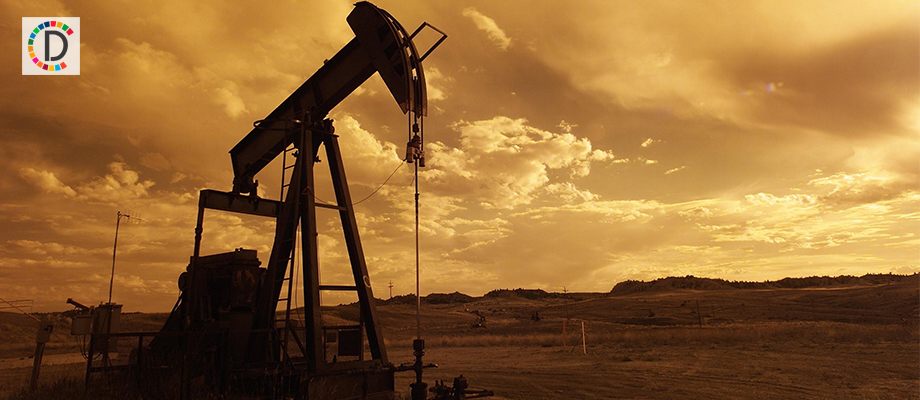
The 'TACO' investment strategy, banking on U.S. President Donald Trump's tendency to backtrack on extreme policies, is being tested amid rising U.S.-Iran tensions. The recent joint military action by the U.S. and Israel against Iran has intensified conflict in the Middle East, triggering a substantial energy shock reminiscent of the 1970s.
Despite U.S. stock markets remaining surprisingly steady, the European, Asian, and emerging markets have struggled, with losses ranging between 4-7%. While the S&P 500 has dipped slightly, the potential long-term ramifications of this conflict on the global energy sector are becoming apparent.
Eswar Prasad, an economics professor, highlights that global financial markets might overlook the current volatility, yet the geopolitical and economic outcomes could prove far-reaching. A parallel is drawn to the 1973-74 oil shock, suggesting that Trump's current strategy may not suffice in alleviating the consequences if the Middle East conflict persists.
ALSO READ
-
U.S. Issues 30-Day License to Stabilize Energy Markets Amid Iran Conflict
-
UPDATE 3-US Treasury's Bessent to meet Chinese vice premier in France ahead of Trump-Xi summit
-
Depleting Arsenal: The Impact of U.S. Weapon Usage in Iran Conflict
-
Supreme Court Blocks Trump Official's Visit to Bolsonaro
-
Petro-Rodriguez Meeting Cancellation and Trump-Petro Diplomacy Overview








 Google News