



Airlines Navigate Turbulent Fuel Prices Amid Global Unrest
Rising oil prices linked to the Iran conflict are significantly impacting airlines, increasing the cost of jet fuel. Various airlines have implemented hedging strategies to manage these costs. This report summarizes the hedging approaches of major carriers, detailing their strategies and potential vulnerabilities amid fluctuating market conditions.
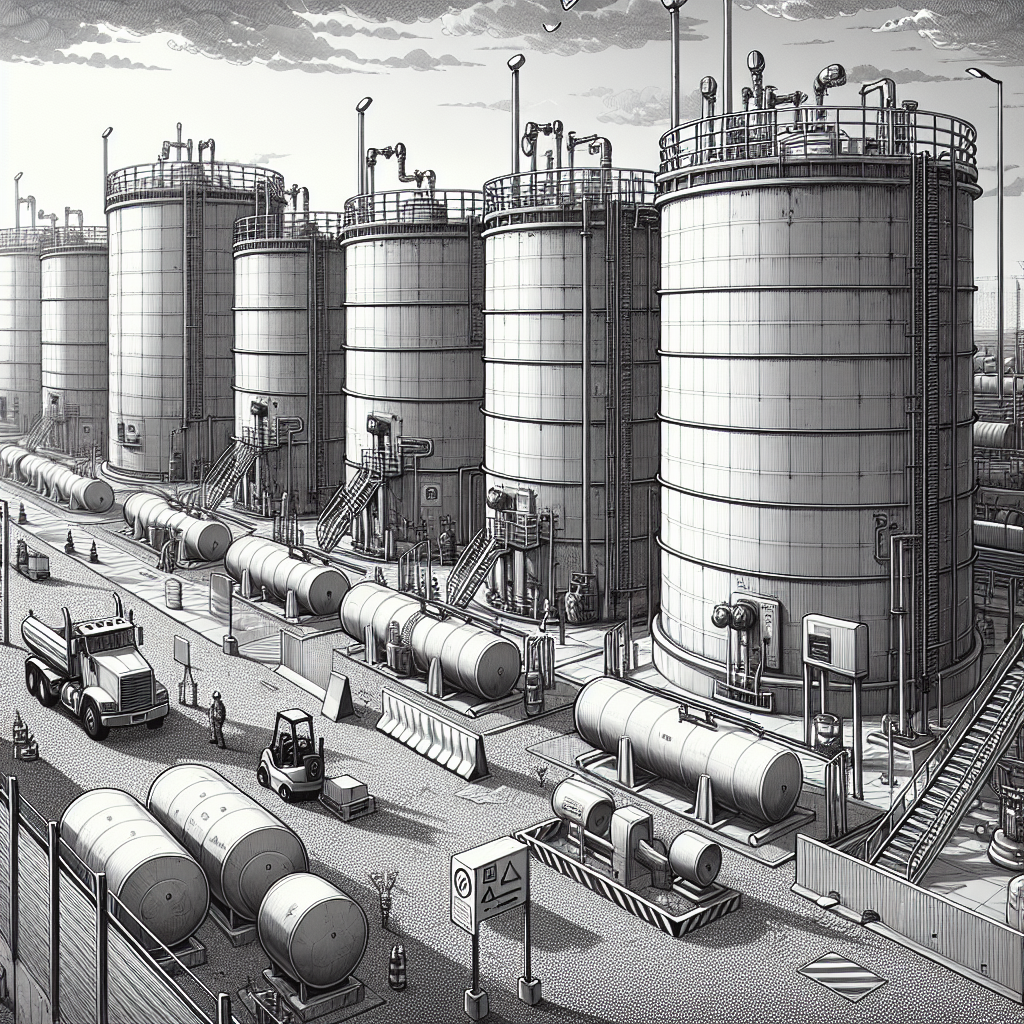
In the wake of the ongoing Iran conflict, global oil prices have soared, putting pressure on the aviation industry through higher costs for jet fuel, a major expense for airlines.
Brent crude oil has neared $100 per barrel, raising concerns about supply disruptions. Consequently, Northwest European jet fuel prices approached historic highs, amplifying financial strain on air carriers.
Airlines have adopted hedging strategies to cushion against this volatility. While some, like Air France-KLM and Air New Zealand, have robust and extended hedging plans, others, such as SAS and China Eastern Airlines, show less coverage, potentially impacting their financial stability in the protracted crisis.
ALSO READ
-
Iran's Oil Flows Defy Sanctions in Strait of Hormuz Amid Regional Tensions
-
Global Oil Tensions: Will Prices Spike to $200 a Barrel?
-
Fuel Crisis Strikes Tamil Nadu: Hospitality and Transport Sectors Face Turmoil
-
Ukraine's Strategic Strikes: The Battle Over Russia's Oil and Military Infrastructure
-
States have been allocated 40,000 kilolitre of additional kerosene as an alternative to LPG, says oil ministry official.








 Google News