



Qatar's LNG Disruption: The Force Majeure Move Amid Rising Tensions
Qatar, a leading LNG producer, halted output due to strikes amidst Iran tensions, invoking force majeure. QatarEnergy aims to expand its capacity significantly by 2030. The company is crucial to global LNG supply, especially in Asia and Europe, with most gas exported through the strategic Strait of Hormuz.
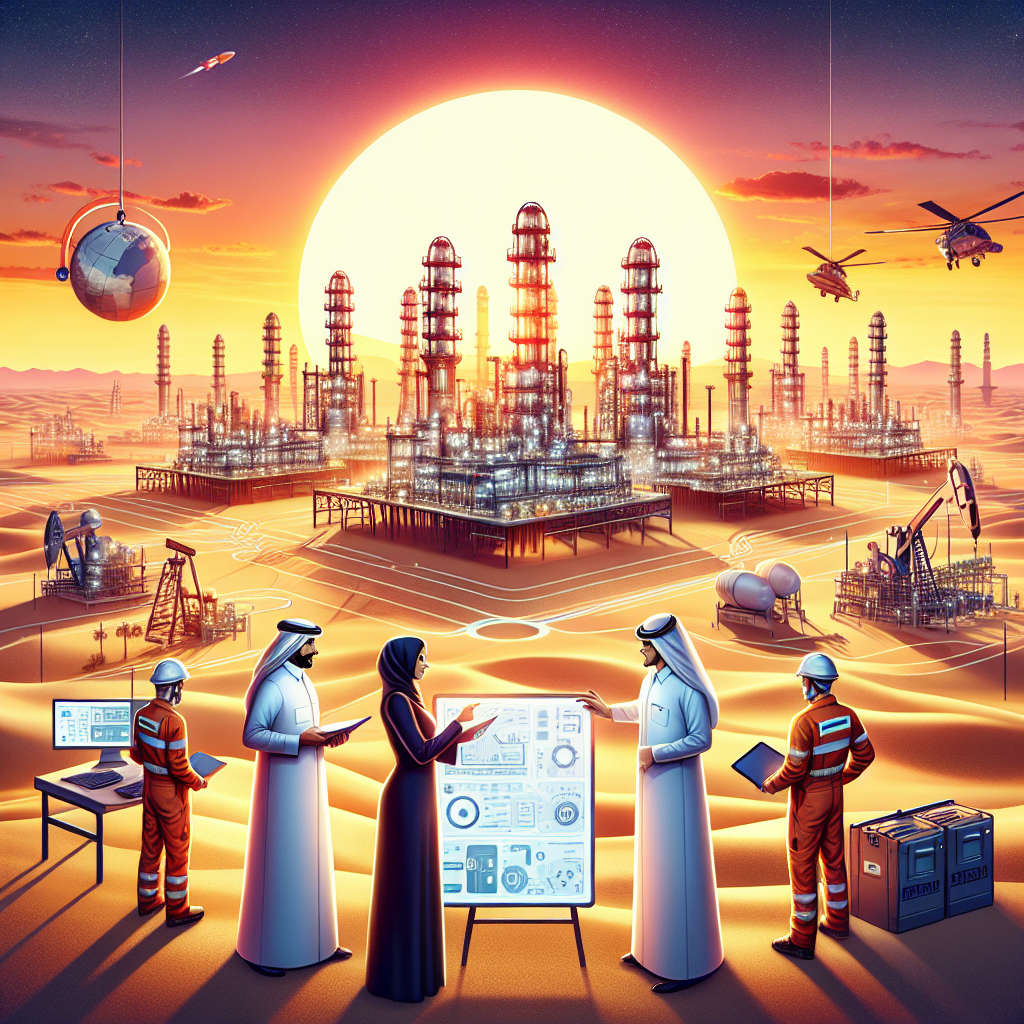
Qatar, a pivotal player in the global liquefied natural gas (LNG) market, took a significant step by halting production on Monday amidst rising tensions from the Iran conflict. The cessation, triggered by strikes at facilities in Ras Laffan, led QatarEnergy to declare force majeure on Wednesday.
Qatar currently contributes about 20% to global LNG exports, with its resources transiting the Strait of Hormuz. This strait is a critical chokepoint situated near Iran, highlighting the geopolitical risks involved.
The state-owned entity aims to boost its output from the current 77 million tons per annum (mtpa) to 142 mtpa by 2030. Linking its expansions primarily to Asian and European markets, QatarEnergy's production facilities are strategically located in Ras Laffan, sharing fields with Iran. Global energy giants like Exxon Mobil, Shell, and TotalEnergies have vested interests in these supply lines.
ALSO READ
-
India's First Digital Carbon Marketplace: A Leap for Clean Energy
-
Spain's Sovereign Immunity Challenge in Renewable Energy Dispute Rejected
-
Middle East Energy Disruptions: Global Impact and Challenges
-
U.S. Exemption on Rosneft's German Unit: Impact on Global Energy Stability
-
Rachel Reeves: Balancing Consumer Protection and Energy Industry Stability








 Google News