



Navigating Tensions: U.S. Steps Up Measures to Secure Oil Flow
The U.S. Navy may escort oil tankers through the Strait of Hormuz amid Middle East conflicts, as ordered by President Trump. This move aims to contain rising energy prices. Despite military and insurance measures, uncertainties remain over stabilizing crude costs. Strategic actions from the Trump administration are forthcoming.
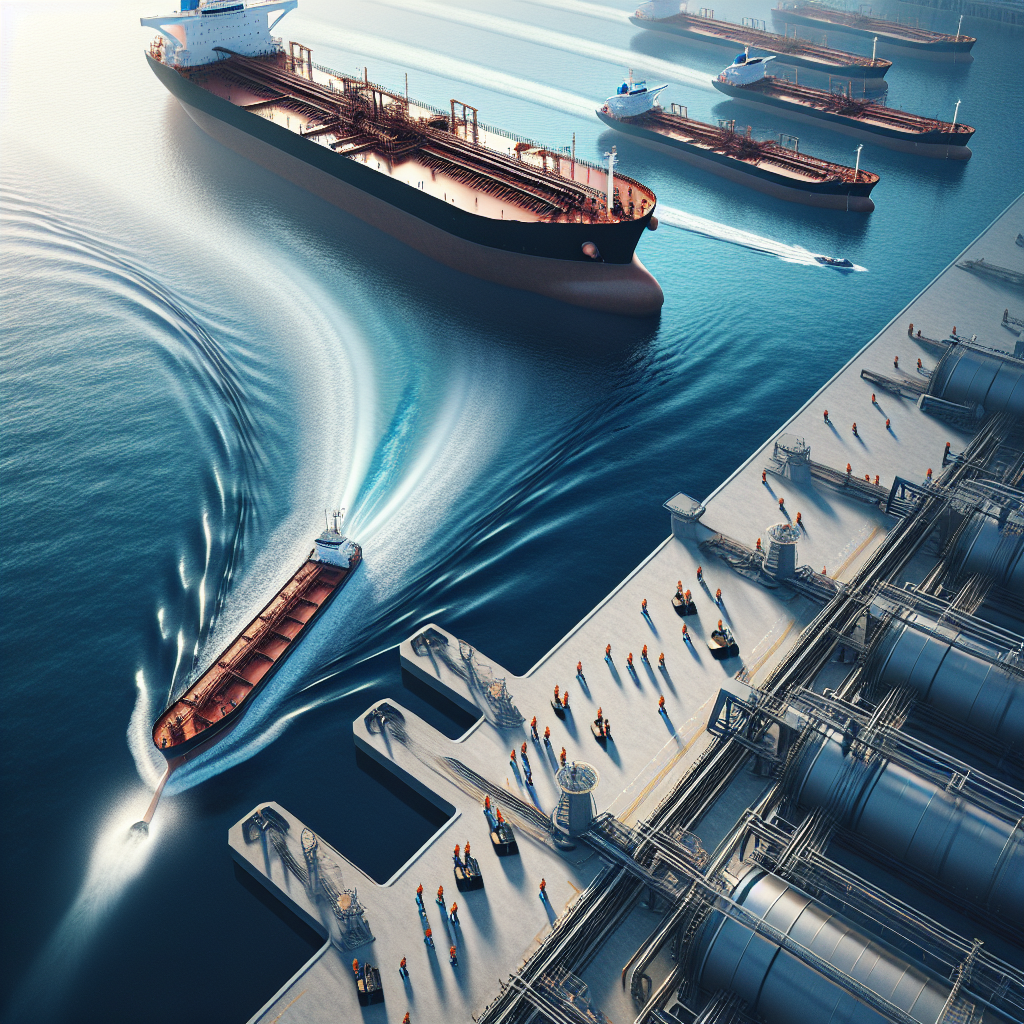
The U.S. Navy might soon be tasked with escorting oil tankers through the crucial Strait of Hormuz, according to President Donald Trump. This decision forms part of a broader strategy to stabilize soaring energy prices amid escalating Middle Eastern tensions, with the U.S. International Development Finance Corporation set to bolster shipping insurance.
Recent military actions by Israeli and U.S. forces against Iran have disrupted Middle Eastern oil shipments, leading to increased global crude prices. Ship owners and industry analysts doubt whether military escorts and insurance interventions will effectively curb rising fuel costs.
While President Trump emphasizes lower fuel prices for Americans, concerns linger. The potential for high energy costs poses a risk to the political stability of the upcoming congressional elections. Meanwhile, U.S. naval support remains questionable due to ongoing military operations in the region.
ALSO READ
-
Iraq's Oil Production Slashed Amidst Strait of Hormuz Crisis
-
US Ponders Military Protection for Hormuz Oil Tankers
-
Iraq's Oil Crisis: Strait of Hormuz Disruptions Threaten Major Production Cuts
-
Aramco's Strategic Reroute: Navigating the Strait of Hormuz Tensions
-
India's Fuel Reserves: Navigating Crisis in the Strait of Hormuz








 Google News