



OPEC+ Navigates Geopolitical Turbulence with Strategic Oil Output Moves
OPEC+ is set to decide on a crucial production increase amid geopolitical tensions affecting a significant fraction of its output. Despite signs of a loosening oil market and expected demand fluctuations, geopolitical risks are sustaining crude prices, challenging the group's ability to manage supply and demand balance.
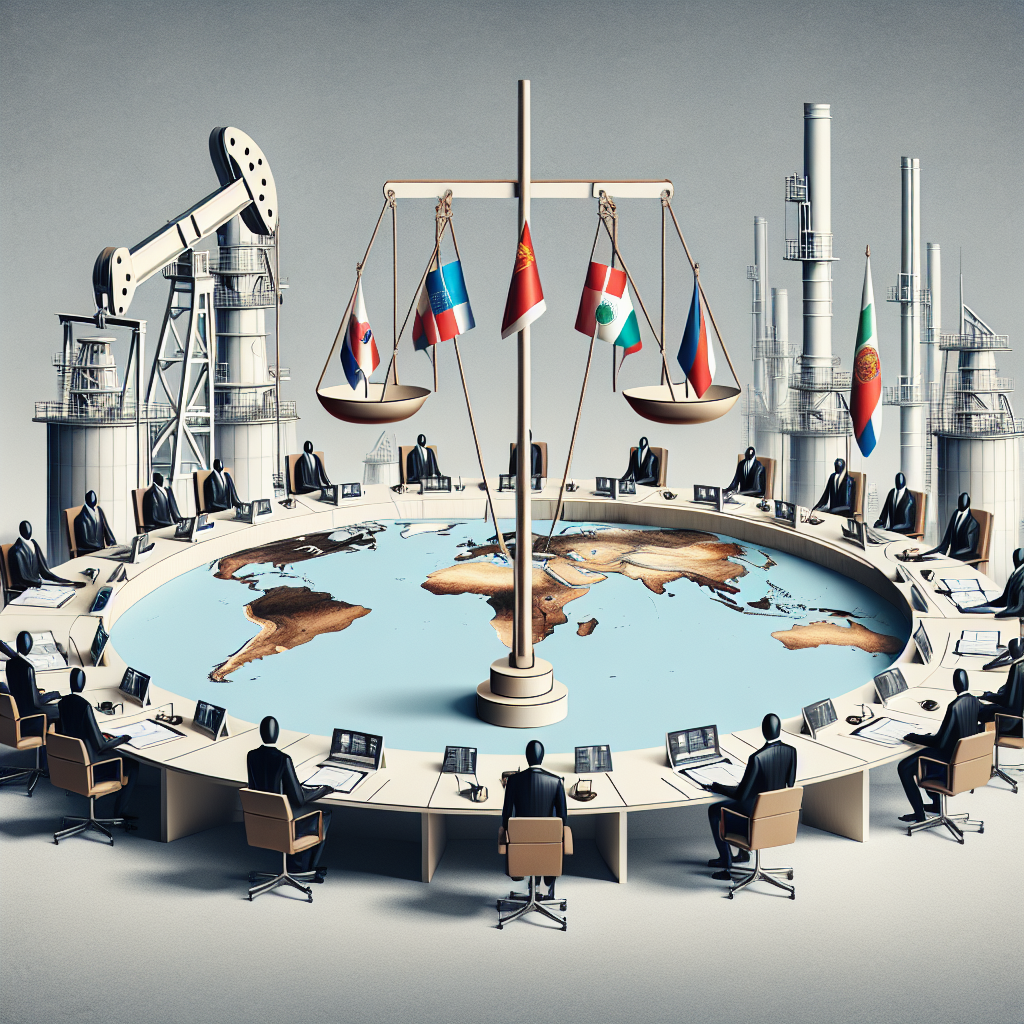
OPEC+ convenes this weekend amidst escalating geopolitical frictions, poised to adjust production strategies. The group plans a 137,000-barrel-per-day increase for April, breaking a seasonal pause. This move seeks to affirm the group's belief in a balanced oil market until 2026, despite the IEA's contrasting oversupply projections.
Geopolitical tensions, particularly involving the U.S., Iran, and Russia, overshadow apparent market weaknesses, keeping Brent crude prices buoyant at over $70 a barrel. Sanctions and military threats have complicated the landscape, with around 13.5 million bpd of OPEC+ production under potential disruption.
Amid these uncertainties, OPEC+ might cautiously raise output, signaling market confidence without drastically impacting global supplies. Such decisions underscore the complexity of balancing geopolitical dynamics and market fundamentals in the global energy sector.
ALSO READ
-
Gold Prices Climb Amid Geopolitical Tensions and Dollar Softening
-
Asian Markets Steady Amid AI Advances and Geopolitical Tensions
-
Nvidia's Gains Boost Asian Stocks Amid Geopolitical Tensions
-
Tech Surge Powers Global Shares Amid Geopolitical Tensions
-
OPEC+ Eyes Output Increase Amidst US-Iran Tensions








 Google News