



Inflation Dynamics: U.S. Consumer Prices Experience Unexpected Shift
U.S. consumer prices rose less than expected in January, but underlying inflation increased as businesses raised prices. This, together with a stabilizing labor market, may allow the Federal Reserve to maintain interest rates. The Consumer Price Index saw a modest increase and the adjusted core CPI also showed growth.
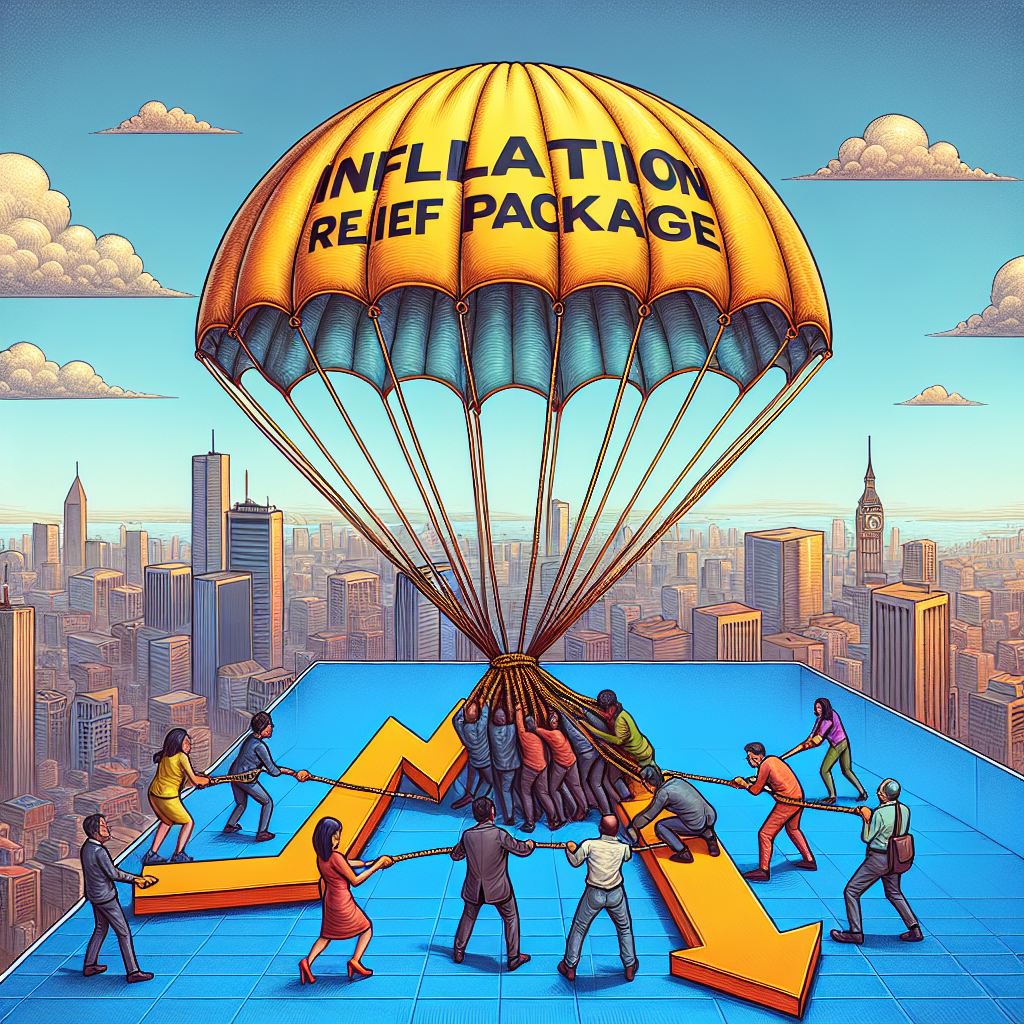
Consumer prices in the U.S. rose less than anticipated in January, with underlying inflation firming as businesses adjusted their pricing. This development, coupled with a steady labor market, could lead the Federal Reserve to leave interest rates unchanged in the near term.
The Consumer Price Index (CPI) saw a 0.2% rise last month, following an unrevised 0.3% advance in December, according to the Bureau of Labor Statistics. Economists had predicted a 0.3% increase. The data was slightly delayed due to last week's government shutdown.
Inflation, measured year-on-year, rose by 2.4% through January, reflecting a decrease from December’s 2.7%. Despite volatility in CPI data from previous government shutdowns, core CPI for January was still robust, rising by 2.5% over 12 months. Experts anticipate inflationary pressures persisting due to tariff impacts and currency depreciation.








 Google News