



AfDB Approves $25M Climate Resilience Project to Transform Zimbabwe’s Rural Economy
In addition, around 200,000 people in surrounding communities will benefit indirectly through improved infrastructure, enhanced food production systems, and stronger local economies.
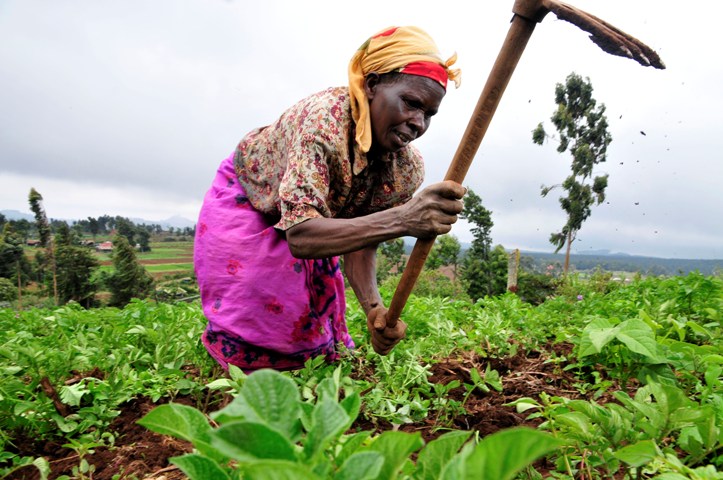
In a major boost to climate adaptation and rural development, the African Development Bank (AfDB) has approved a $25 million grant to support vulnerable farming communities in Zimbabwe, targeting regions hardest hit by climate change and chronic drought.
The funding, channelled through the Bank's Transition Support Facility (TSF) Pillar 1, will finance the Zimbabwe Agricultural Climate Resilient and Vulnerability Reduction Project (ACRES)—a five-year initiative running from 2026 to 2030 aimed at strengthening food security, revitalising agriculture, and unlocking economic opportunities in fragile rural areas.
Targeting Climate Hotspots
The ACRES project will focus on two of Zimbabwe's most climate-exposed regions:
-
Masvingo Province (Gutu District)
-
Matabeleland South Province (Gwanda, Matobo, Mangwe, and Bulilima Districts)
These areas are characterised by erratic rainfall patterns, prolonged droughts, and declining water availability, making them particularly vulnerable to climate shocks. At the same time, they host large livestock populations, intensifying pressure on already fragile ecosystems.
Supporting Thousands of Farmers and Communities
The project is expected to directly benefit 92,500 smallholder farmers, with a strong emphasis on inclusivity:
-
At least 50% women
-
20% youth beneficiaries
These groups often face disproportionate challenges, including limited access to resources, high exposure to climate risks, and restricted economic opportunities.
In addition, around 200,000 people in surrounding communities will benefit indirectly through improved infrastructure, enhanced food production systems, and stronger local economies.
Driving Jobs and Economic Growth
ACRES is also positioned as an economic catalyst, expected to generate:
-
320 full-time jobs
-
2,100 seasonal employment opportunities
These jobs will span crop and livestock value chains, supporting both production and market linkages, and helping reduce rural poverty and migration driven by economic hardship.
Climate-Smart Agriculture and Infrastructure Investment
The project will focus on:
-
Revitalising smallholder agriculture systems
-
Developing sustainable grazing areas
-
Improving water resource management and infrastructure
-
Promoting climate-resilient farming practices
By integrating climate-smart techniques with infrastructure development, the initiative aims to increase productivity while safeguarding natural resources, ensuring long-term sustainability.
Catalysing Private Sector Participation
A key feature of the programme is its potential to attract private sector investment into rural agriculture—an area often overlooked due to perceived risks. By strengthening value chains and improving resilience, the project is expected to create a more enabling environment for agribusiness and investment.
Strategic Importance for Food Security
"This investment represents a critical intervention to build climate resilience, reduce vulnerability, and improve food and nutrition security in Zimbabwe's most vulnerable rural communities," said Eyerusalem Fasika, AfDB Country Manager for Zimbabwe.
Martin Fregene, AfDB Director of Agriculture and Agro-Industry, подчеркнул that the initiative aligns with the Bank's broader development priorities, focusing on resilience, sustainable livelihoods, and economic transformation.
Long-Term Commitment to Rural Development
The African Development Bank has been a longstanding partner in Zimbabwe's agricultural and rural development efforts, contributing to gradual reductions in food insecurity and poverty over the years.
ACRES builds on this legacy, reinforcing the government's strategy to place climate-smart agriculture and infrastructure investment at the core of national development planning.
A Timely Intervention Amid Climate Pressures
Zimbabwe, like many countries in southern Africa, is experiencing increasing climate variability, with frequent droughts and shifting rainfall patterns threatening agricultural output and livelihoods.
Experts warn that without significant investment in resilience, these trends could deepen food insecurity and economic instability across rural regions.
Looking Ahead
With implementation set to begin in 2026, ACRES is expected to serve as a model for integrated climate resilience programmes, combining agriculture, infrastructure, and economic development.
If successful, the project could help transform vulnerable rural communities into more resilient, productive, and economically stable regions—while offering a blueprint for similar interventions across climate-affected parts of Africa.
ALSO READ
-
Reviving India's Grasslands: A Blueprint for Conservation and Climate Resilience
-
Tragedy on Zimbabwe Highway: Minibus Taxi Inferno Claims Lives
-
Zimbabwe Women’s Cricket Team Gears Up for Historic Tour of Pakistan
-
Sichuan Yahua Awaits Zimbabwe's Green Light on Lithium Endeavor
-
World Bank Boosts Climate Resilience in Marshall Islands with New Financing for Majuro’s Urban Future








 Google News