



ING and EIB Launch €800M Financing Boost to Support SMEs in Netherlands and Belgium
The programme, structured as a joint commitment, combines a €400 million loan from the EIB with an additional €400 million contribution from ING.
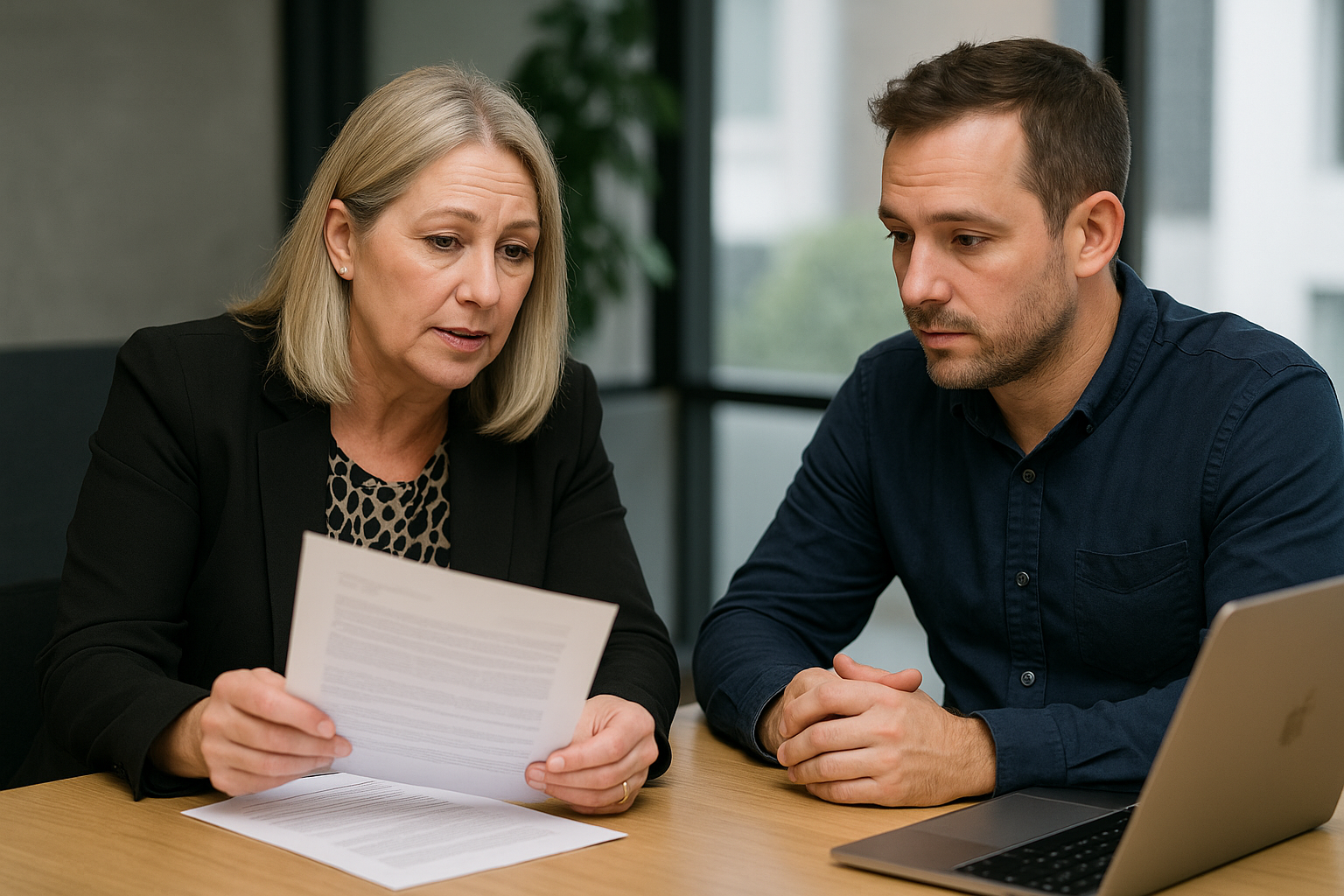
In a major push to strengthen Europe's green transition and economic resilience, ING and the European Investment Bank (EIB) have announced a new €800 million financing initiative aimed at helping small and medium-sized enterprises (SMEs) and mid-cap companies in the Netherlands and Belgium invest in sustainability and future-proof their operations.
The programme, structured as a joint commitment, combines a €400 million loan from the EIB with an additional €400 million contribution from ING. This blended financing model is designed to unlock affordable capital at scale, enabling businesses to accelerate investments in energy efficiency, renewable energy, and low-carbon technologies.
At a time when European industries are under increasing pressure to decarbonize while remaining competitive, the initiative delivers both financial relief and strategic direction. By leveraging the EIB's favourable lending terms, the programme allows businesses to access loans and leasing solutions at reduced interest rates—lowering the cost barrier for green investments.
Targeted Support Across Two Key Economies
The €800 million envelope will be distributed across two major European markets, with €500 million allocated to ING business clients in the Netherlands and €300 million earmarked for companies in Belgium. The funding is expected to support a wide range of sectors, including manufacturing, logistics, agri-business, and services—industries that are critical to both countries' economic output and emissions reduction pathways.
The financing will be directed toward projects that enhance sustainability performance, such as upgrading production processes, electrifying transport fleets, improving building efficiency, and adopting circular economy practices. These investments are essential for meeting the European Union's climate targets, including reducing greenhouse gas emissions by at least 55% by 2030.
Lower Costs, Faster Transition
A defining feature of the initiative is the direct transfer of financial benefits from the EIB to end borrowers. Thanks to the EIB's AAA credit rating and long-term funding capacity, SMEs and mid-caps will benefit from reduced borrowing costs—making it significantly easier to undertake capital-intensive sustainability projects.
For many smaller businesses, access to affordable financing remains one of the biggest barriers to adopting green technologies. This programme directly addresses that challenge by increasing investment capacity and providing the financial headroom needed to transition more rapidly.
Saskia Bauters, Head of Business Banking at ING Belgium, emphasized the impact: "By passing on the financial advantage from the EIB, we will significantly increase the investment capacity of small and medium businesses in Belgium. This benefit motivates entrepreneurs to switch to a sustainable and future-proof business model faster and in a more targeted way."
A Proven Partnership with Strong Track Record
The latest agreement builds on a long-standing partnership between ING and the EIB that dates back over a decade. Since 2009, the two institutions have implemented eight joint programmes, channeling €2.85 billion in financing to more than 4,100 companies across Europe.
This track record underscores the effectiveness of public-private collaboration in mobilizing capital for strategic priorities such as climate action and economic modernization.
Laurens de Vos, Head of Business Banking at ING Netherlands, highlighted the continuity of the partnership: "Our long-standing partnership with the EIB will once again enable us to support businesses in their energy transition. With this facility, we are not only helping businesses become more sustainable, but also working together to build a future-ready economy."
Strengthening Europe's Strategic Autonomy
Beyond environmental benefits, the initiative also aligns with broader European goals of enhancing strategic autonomy—particularly in the energy sector. By supporting businesses in reducing energy consumption and shifting to renewable sources, the programme contributes to lowering dependence on external energy supplies.
Chantal Schrijver, Head of the EIB Office in the Netherlands, noted: "The current circumstances once again show that Europe needs to reduce its dependence on others, especially in the energy sector. Facilities like this give companies the financial headroom they need to become more sustainable and to grow, supporting our strategic autonomy in the process."
Similarly, Torsten Brand, Head of the EIB Office in Belgium, stressed the importance of timely investment: "Our cooperation with ING will give small and medium businesses greater opportunities in challenging times. Now is the moment for them to think long term and invest in sustainability."
Driving the Next Phase of Europe's Green Economy
As Europe accelerates its transition to a low-carbon economy, initiatives like this €800 million facility are expected to play a crucial role in bridging the financing gap for SMEs—often described as the backbone of the European economy.
By combining institutional financing strength with commercial banking reach, the ING-EIB partnership offers a scalable model for driving sustainable investment across the continent. With the facility set to become available to businesses in the coming weeks, thousands of companies are poised to benefit from improved access to green finance.
The initiative not only supports immediate sustainability goals but also lays the groundwork for long-term economic resilience, innovation, and competitiveness in an increasingly carbon-constrained global market.
ALSO READ
-
SAMHI Hotels Partners with Ingka Centres for Landmark Noida Development
-
EIB Launches Technical Advisory Initiative to Accelerate Electric Mobility in Spain
-
EIB Invests €100 Million in Orion Pharma to Strengthen Europe’s Drug Security
-
Dr Leon Schreiber Welcomes Withdrawal of Legal Challenge to OVS Fees
-
Olympic Champion Jakob Ingebrigtsen Postpones Comeback After Achilles Surgery








 Google News