



ARDA Week 2026 Calls for Urgent Expansion of Refining Capacity Amid Global Supply Shocks
Experts estimate that Africa requires over $100 billion in investment to meet its refining and downstream infrastructure needs.
- Country:
- South Africa
Africa's downstream oil and gas sector has returned to the forefront of policy and investment discussions as global supply disruptions triggered by the Gulf conflict expose structural vulnerabilities in the continent's energy systems. At ARDA Week 2026, industry leaders issued a strong call for accelerated expansion of refining capacity, reduced import dependency, and greater value retention from Africa's hydrocarbon resources.
With over 600 million Africans lacking access to electricity and nearly 900 million without clean cooking solutions, the urgency to transform the continent's energy landscape has reached a critical inflection point. Projections indicating that Africa's oil demand could rise to 4.5 million barrels per day (bpd) by 2050 further underscore the scale of the challenge—and opportunity.
From Policy Debate to Economic Imperative
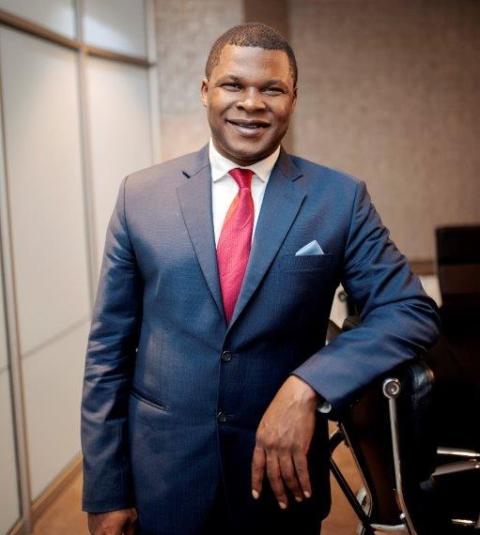
Delivering a keynote address, NJ Ayuk, Executive Chairman of the African Energy Chamber, emphasized that expanding the downstream sector is no longer optional but essential for energy security, industrialization, and social development.
"The real question for Africa is whether we embrace innovation, growth, and prosperity or retreat from reality. We need to produce more energy—this is an economic and social imperative," Ayuk stated, reinforcing the need for decisive action.
His remarks reflect a broader consensus that energy poverty cannot be addressed through ideology alone, but requires large-scale infrastructure investment, pragmatic policies, and market-driven solutions.
A Shift Toward African-Led Energy Development
A key highlight of the discussions was the structural shift from foreign-dominated investment to African-led initiatives. Over the past two decades, indigenous companies have increasingly taken the lead in developing critical energy infrastructure.
Ayuk pointed to transformative projects such as the Dangote Refinery in Nigeria and the expanding footprint of firms like Sahara Group, which are not only investing in refining but also championing broader energy access.
"Twenty-five years ago, foreign companies dominated the sector. Today, African entrepreneurs are driving investment, building refineries, and shaping the future of energy on the continent," he noted.
This transition signals growing confidence, capacity, and capital mobilization within Africa, though challenges remain.
Refining Capacity: The Missing Link
Central to the discussions was the urgent need to expand domestic refining capacity, a critical gap that forces many African countries to export crude oil while importing refined petroleum products at higher costs.
Ayuk's call to "refine, baby refine" captured the sector's priority: building robust processing infrastructure to:
-
Reduce reliance on imported fuels
-
Enhance supply stability amid global disruptions
-
Retain economic value within local markets
-
Support downstream industries such as petrochemicals, manufacturing, and logistics
Experts estimate that Africa requires over $100 billion in investment to meet its refining and downstream infrastructure needs.
Policy and Regulatory Reforms Key to Investment
Despite strong resource potential, stakeholders stressed that policy and regulatory bottlenecks continue to hinder progress. Ayuk called for:
-
Stable and predictable regulatory frameworks
-
Competitive fiscal regimes
-
Reduced taxation and bureaucratic hurdles
-
Greater access to capital for African entrepreneurs
"Companies need the tools to succeed—free markets, accountability, and supportive governance structures," he said, emphasizing the need for investor-friendly environments.
Breaking Barriers to Regional Energy Trade
Cross-border collaboration emerged as another critical pillar. While initiatives like the African Continental Free Trade Area (AfCFTA) aim to boost intra-African trade, practical challenges persist.
Ayuk highlighted issues such as complex tariffs, customs bottlenecks, and fragmented regulations, which continue to restrict efficient movement of energy products across borders.
"We need to address these barriers and build together," he urged, calling for greater regional alignment and infrastructure integration.
Financing the Energy Transition
The scale of Africa's downstream ambitions presents a major opportunity for both domestic and international financial institutions. With investment needs exceeding $100 billion, the sector offers significant potential for:
-
Infrastructure financing
-
Public-private partnerships (PPPs)
-
Development finance initiatives
Afreximbank, regional banks, and global investors are expected to play a crucial role in mobilizing capital for high-impact projects.
Balancing Energy Expansion and Sustainability
While global discourse increasingly focuses on energy transition and decarbonization, African stakeholders at ARDA Week emphasized the need for a balanced approach—one that prioritizes energy access and economic development alongside sustainability goals.
"We will not apologize for producing the energy we need," Ayuk asserted, reflecting a growing sentiment that Africa must chart its own energy pathway, tailored to its developmental realities.
A Defining Moment for Africa's Energy Future
The discussions at ARDA Week 2026 highlight a pivotal moment for the continent. As global energy markets face volatility and geopolitical risks, Africa has an opportunity to redefine its energy systems—moving from resource exporter to value creator.
The path forward, stakeholders agree, lies in scaling refining capacity, enabling investment, strengthening regional cooperation, and prioritizing energy access for all.
With the right mix of policy support, capital, and innovation, Africa's downstream sector could become a cornerstone of economic transformation and industrial growth in the decades ahead.








 Google News