



TSA's Paycheck Relief: Approaching Normalcy Amidst a Government Standoff
The TSA reported a significant decrease in officer absences with workers paid after a six-week government shutdown, restoring airport operations. Absence rates dropped to 8.6% from a high of 12.4%. Meanwhile, a partial government shutdown persists despite a Senate-passed compromise bill as Congress grapples with DHS funding issues.
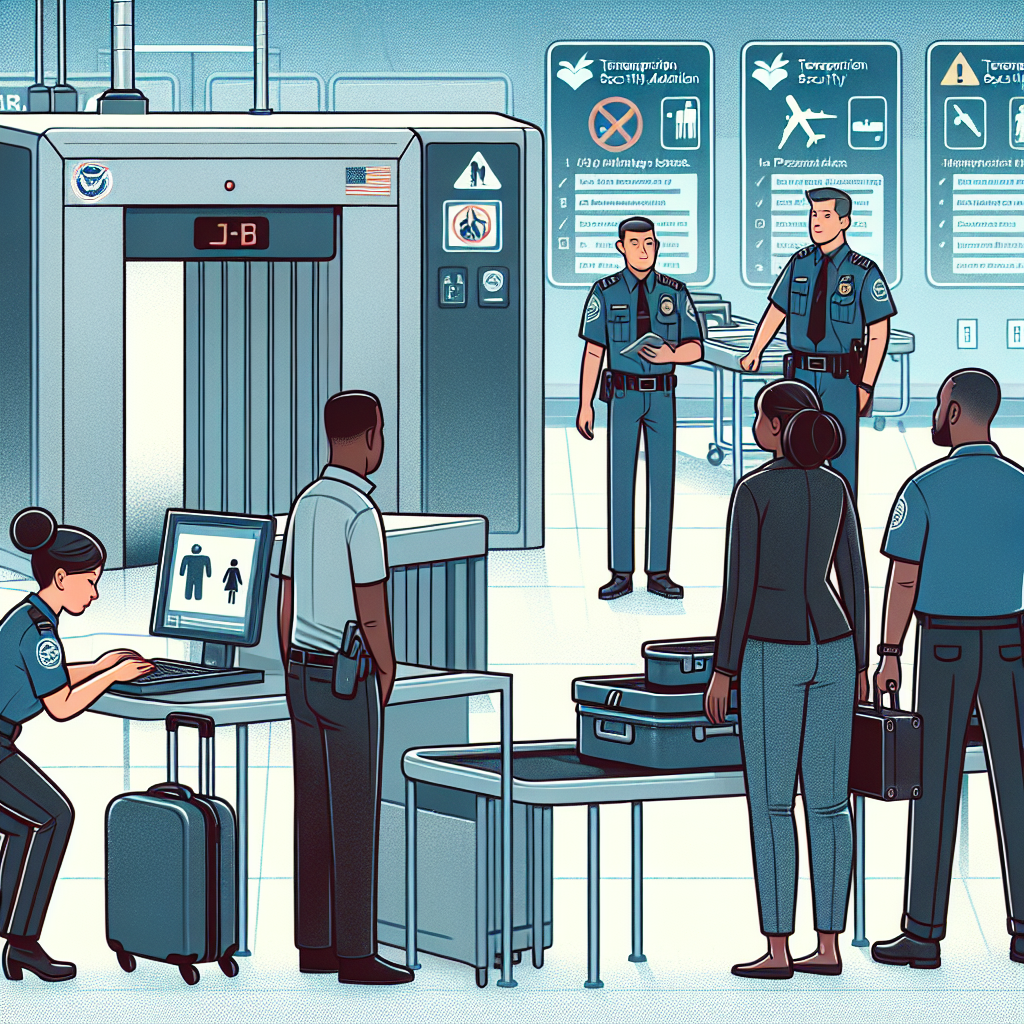
The Transportation Security Administration (TSA) experienced a sharp decrease in absences among its 50,000 security officers on Monday. This came after the workers received pay following a six-week period without paychecks due to a partial government shutdown. Large airports, previously plagued by multi-hour lines, noted a return to normal operations.
The Department of Homeland Security (DHS) stated that the absence rate fell to 8.6% after reaching 12.4% last Friday. Among the most affected locations was Atlanta, with 29% of its TSA workforce absent, while other major airports like Houston, Baltimore, New Orleans, New York's JFK, and Philadelphia also saw significant absences.
The protracted standoff in Congress led to disruptions, with security lines lasting over four hours, unprecedented in the TSA's nearly 25-year history. President Donald Trump signed a memorandum ensuring TSA workers received pay, though Congress had not resolved the 46-day shutdown. Even as TSA operations stabilize, more than 500 officers have resigned since mid-February, and many DHS workers remain unpaid amid ongoing travel surges and legislative conflicts.
ALSO READ
-
Weather Woes and Emergency Calls at Lucknow Airport
-
FAA Imposes New Safety Restrictions at San Francisco Airport
-
Heightened Security Focus: Kanpur's Preparedness Against Emerging Threats
-
Tension Escalates: Security Operation in Ganderbal
-
Britain Boosts Middle East Security with Air Defense Deployment








 Google News