



Climate Risks Could Cut Seychelles’ GDP by Over 6% by 2050, World Bank Report Warns
Rather than choosing between growth and climate action, the CCDR argues that Seychelles can pursue both simultaneously by transitioning to higher-value, climate-resilient economic models.
- Country:
- Seychelles
Seychelles, often cited as one of Africa's most successful small island economies, faces mounting climate and environmental risks that could shrink its GDP by more than 6% by 2050 if urgent action is not taken, according to a new Country Climate and Development Report (CCDR) released by the Government of Seychelles and the World Bank Group.
The report outlines a comprehensive roadmap for sustaining economic growth while strengthening climate resilience, emphasizing that targeted investments and reforms could unlock new growth sectors, create jobs, and protect livelihoods.
A Strong Economy Under Growing Climate Pressure
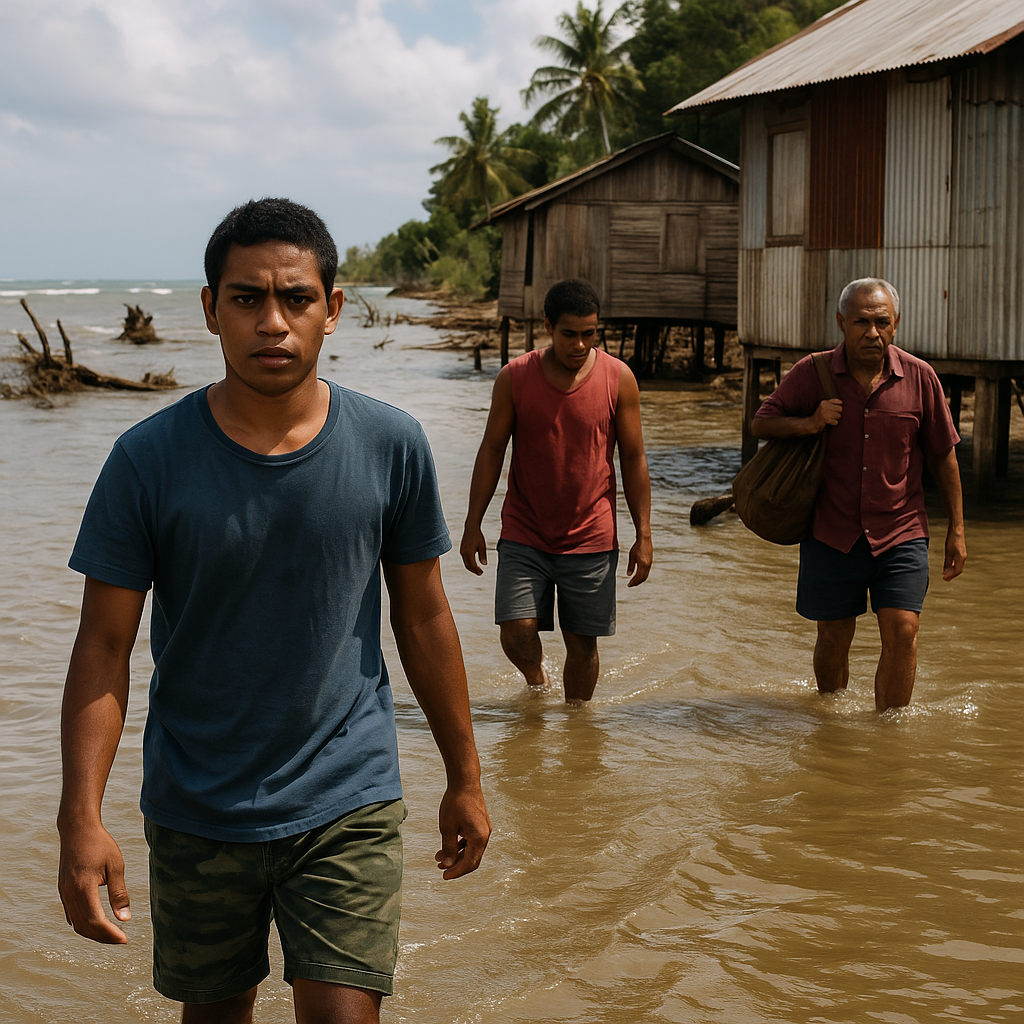
Seychelles' economy—anchored in tourism and fisheries—has delivered strong growth and high living standards. However, these sectors are increasingly vulnerable to:
-
Rising sea levels and coastal erosion
-
Marine heatwaves affecting fisheries
-
Extreme rainfall and climate variability
These risks threaten not only economic output but also:
-
Employment levels
-
Household incomes
-
Long-term poverty reduction gains
From Vulnerability to Opportunity: A New Growth Model
Rather than choosing between growth and climate action, the CCDR argues that Seychelles can pursue both simultaneously by transitioning to higher-value, climate-resilient economic models.
Key strategies include:
-
Upgrading tourism toward premium, sustainable experiences
-
Modernizing fisheries with resilient and value-added processing
-
Expanding the blue economy, leveraging marine resources sustainably
"These reforms can protect existing jobs while creating new opportunities across sectors," the report notes.
Renewable Energy: Cutting Costs and Boosting Resilience
One of the most immediate opportunities lies in scaling up local renewable energy.
The report estimates that:
-
Expanding renewables could cut energy costs by up to 20%
-
Reduce dependence on imported fossil fuels, a major vulnerability
-
Improve energy security and price stability
This is particularly critical for Seychelles, where energy imports expose the economy to global price shocks.
Infrastructure Investments Could Halve Economic Losses
The CCDR highlights the urgent need for climate-resilient infrastructure, including:
-
Coastal protection systems
-
Transport networks
-
Water management infrastructure
Targeted upgrades could:👉 Reduce future economic losses by up to 50%, significantly strengthening national resilience.
Jobs and Skills: Preparing the Workforce for a Changing Economy
To fully realize these opportunities, the report stresses the importance of human capital development.
Priority areas include:
-
Aligning education and training with emerging sectors:
-
Tourism services
-
Renewable energy
-
Construction and infrastructure
-
Water and environmental management
-
Agriculture
-
-
Enhancing workforce adaptability and productivity
This approach ensures that Seychellois workers benefit directly from economic transformation.
Financing the Transition: $810 Million Needed
Achieving the report's vision will require:
-
$810 million in total investment over 25 years
-
Equivalent to about 2.8% of GDP annually over five years
Funding will depend on:
-
Mobilizing private sector investment
-
Strengthening public financial management
-
Leveraging international development partnerships
Three Strategic Priorities for the Future
The CCDR outlines a clear action framework built around three pillars:
-
Reorient Key Sectors
-
Toward higher value and climate resilience
-
-
Reduce Economic and Physical Risks
-
Through targeted infrastructure and adaptation investments
-
-
Strengthen Fiscal and Institutional Foundations
-
To sustain long-term growth and attract investment
-
Government Commitment and Global Positioning
Finance Minister Pierre Laporte welcomed the report as aligned with national priorities:
"From energy security to coastal protection and skills development, this roadmap supports our vision of climate leadership and economic resilience."
World Bank Representative Boubacar-Sid Barry emphasized:
"Smart investments can deliver stronger growth, better jobs, and lower risks—positioning Seychelles as a global leader among small island states."
A Blueprint for Climate-Resilient Development
The findings will inform the upcoming Seychelles Country Partnership Framework (2025–2030), guiding future collaboration with development partners.
More broadly, the CCDR positions Seychelles as:
-
A test case for climate-resilient growth
-
A model for small island developing states (SIDS) facing similar risks
The Bottom Line
Seychelles stands at a pivotal moment:
-
Without action → economic losses, job risks, and rising vulnerability
-
With strategic investment → stronger growth, new industries, and long-term resilience
The report's message is clear:👉 Climate action is not a cost—it is an investment in the country's economic future.
ALSO READ
-
IDB Approves $8M Grant to Strengthen Climate Resilience for Small Farmers in Mexico
-
ADB Unveils 2026–2030 Strategy for Pakistan, Prioritizing Private Sector-Led Growth and Climate Resilience
-
Africa Water Vision 2063: Securing Water for Growth and Climate Resilience
-
Haryana govt to set up green climate resilience fund, says Chief Minister Saini while presenting FY27 budget.








 Google News