



AfDB Commissions Hybrid ‘Green Ferry’ in Gambia to Boost Climate-Resilient Transport
“This ferry represents a transformative innovation in sustainable maritime transport,” said Lamin G. Barrow, AfDB Director General for West Africa.
- Country:
- Gambia
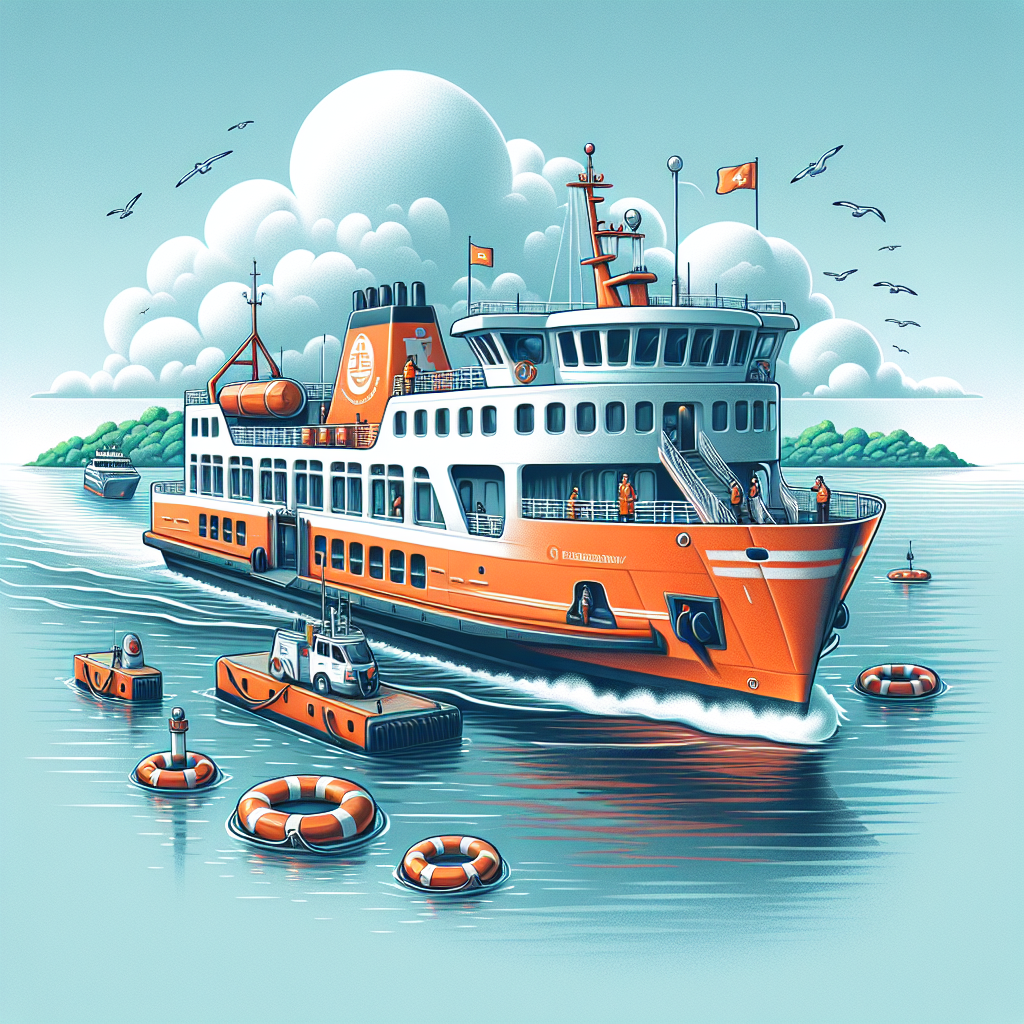
The African Development Bank Group (AfDB) has reinforced its commitment to sustainable infrastructure and climate-resilient transport in West Africa by commissioning a state-of-the-art hybrid green ferry, marking a major milestone under the $20.56 million Banjul Port Expansion Project.
Financed through the Bank's concessional arm, the African Development Fund (ADF), the newly launched Barra Ferry is set to transform mobility across The Gambia's critical river corridor while advancing low-carbon transport solutions.
A Critical Transport Lifeline Gets a Green Upgrade
The commissioning ceremony in Barra, presided over by President Adama Barrow, brought together government officials, development partners, and local communities, highlighting the project's national significance.
The ferry introduces next-generation hybrid technology, featuring:
-
Capacity for 1,000 passengers and over 50 vehicles
-
Energy-efficient propulsion systems reducing fuel consumption
-
Lower greenhouse gas emissions compared to conventional ferries
-
Enhanced safety and operational reliability
"This ferry represents a transformative innovation in sustainable maritime transport," said Lamin G. Barrow, AfDB Director General for West Africa.
Bridging a Nation Divided by Geography
The River Gambia, stretching approximately 360 kilometres inland, effectively divides the country into northern and southern regions—making ferry transport not just important, but indispensable.
For decades, ferry services have struggled with:
-
Aging infrastructure
-
Rising passenger demand
-
Increasing freight and vehicle traffic
-
Frequent delays and safety concerns
The Barra Ferry is expected to:
-
Reduce travel times and congestion
-
Improve daily mobility for thousands of commuters
-
Strengthen trade and logistics flows across the country
Driving Economic Growth Through Connectivity
President Barrow underscored the broader economic implications of the project:
"The efficiency of our trade gateways—ports, ferry services, airports, and telecommunications—remains fundamental to sustained economic growth and competitiveness."
Efficient ferry systems are particularly vital for:
-
Movement of agricultural goods
-
Cross-country trade and distribution
-
Integration with regional transport corridors
Aligning with National and Continental Development Goals
The project is a cornerstone of The Gambia's National Development Plan, which prioritizes:
-
Modern transport infrastructure
-
Trade facilitation
-
Private sector development
It also aligns with AfDB's strategic priorities, including:
-
Climate-resilient infrastructure development
-
Promotion of low-carbon transport systems
-
Enhanced regional connectivity
-
Support for inclusive economic growth
AfDB's Expanding Footprint in The Gambia
The green ferry project builds on a long-standing partnership between AfDB and The Gambia, dating back to 1974.
Key figures highlight the scale of engagement:
-
Over $450 million in cumulative commitments across sectors
-
Current portfolio: 17 active projects worth $252 million (as of March 2026)
-
Transport sector accounts for the largest share of investments
Other supported sectors include:
-
Energy
-
Agriculture
-
Water and sanitation
-
Governance and social services
Climate Innovation Meets Practical Impact
Beyond environmental benefits, the ferry demonstrates how climate innovation can deliver immediate socioeconomic gains:
-
Lower operational costs through energy efficiency
-
Reduced carbon footprint in a high-use transport system
-
Improved safety standards for passengers and cargo
The hybrid model also positions The Gambia as an early adopter of green maritime transport in West Africa, potentially setting a precedent for similar investments across the region.
Ensuring Sustainability and Efficiency
President Barrow emphasized that infrastructure investments must be matched with:
-
Professional management systems
-
Sustainable operational frameworks
-
Strong maintenance and service delivery standards
These factors will be critical to ensuring the ferry's long-term success and impact.
A Model for Sustainable Transport in Africa
As African countries face rising transport demand alongside climate pressures, the Barra Ferry project illustrates a scalable model where:
-
Development finance supports green technology adoption
-
Infrastructure investments deliver both economic and environmental returns
-
Countries enhance resilience while improving connectivity
With the commissioning of the Barra Ferry, The Gambia takes a significant step toward a modern, efficient, and climate-aligned transport system, reinforcing the role of infrastructure as a driver of sustainable development.








 Google News