



U.S. Job Market Faces New Challenges Amid Global Tensions
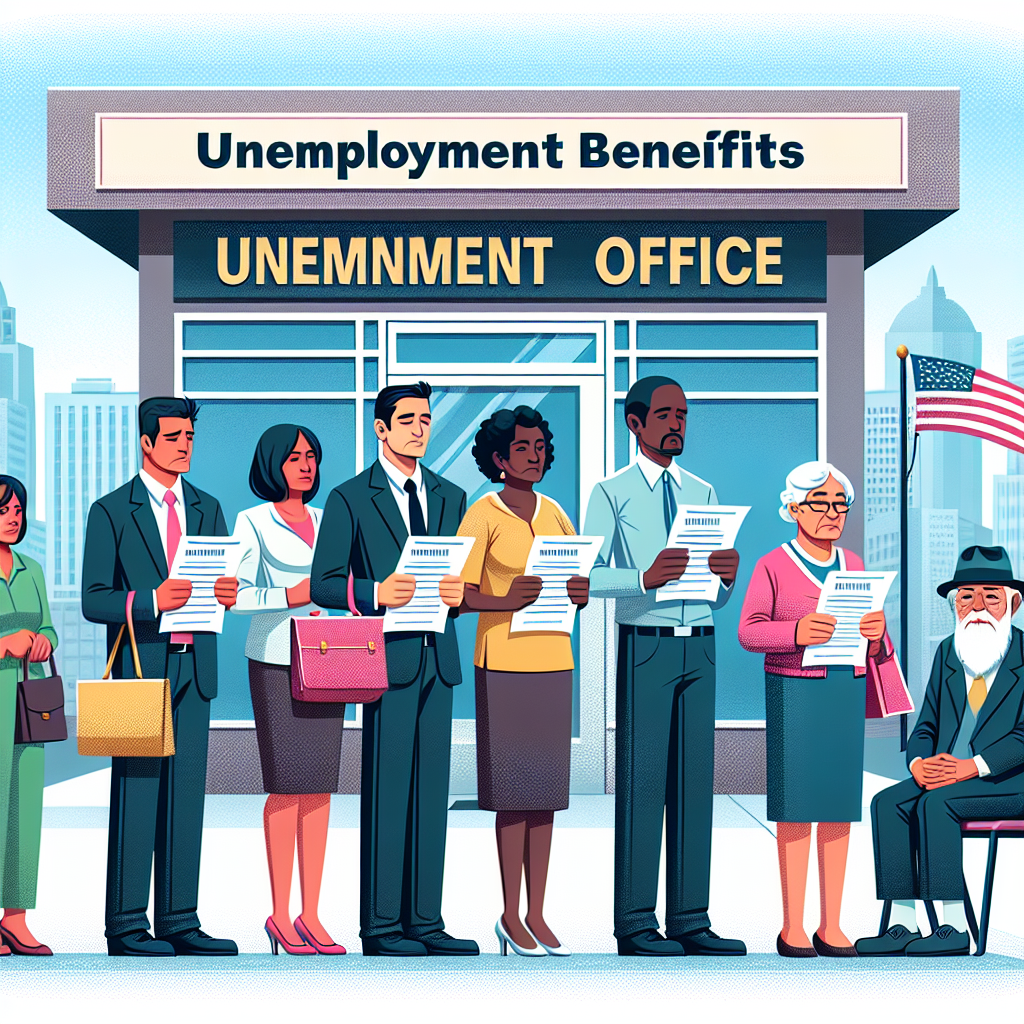
U.S. unemployment benefit claims rose slightly, indicating a stable job market despite economic concerns tied to Middle East tensions. Economists cited tariffs and immigration policies impacting job growth. Inflation worries are rising due to global conflicts affecting oil and fertilizer prices, influencing Federal Reserve rate decisions.
- Country:
- United States
The U.S. labor market remains stable despite new challenges, as evident from a slight rise in unemployment benefit claims last week. The Federal Reserve kept interest rates steady amid inflation concerns linked to ongoing Middle East tensions.
Economists believe uncertainty from previous import tariffs and restrictive immigration policies has slowed job growth, with minimal increases in nonfarm payrolls observed recently. The low layoffs this year, however, reflect an equilibrium in employment.
Global conflict has elevated oil and fertilizer prices, heightening inflation fears. The Fed maintains its rate stance, assessing potential economic impacts, while the continued decline in unemployment claims indicates a constrained hiring environment.
ALSO READ
-
Trump Administration's Stealth Moves to Influence the Federal Reserve's Bank Oversight
-
US Unemployment Claims Drop Amid Economic Uncertainty
-
China's Youth Job Market Trends: A February Update
-
Namibia Charts New Growth Path to Tackle Inequality, Unemployment and Slow Growth
-
Wall Street Climbs as Investors Eye Federal Reserve's Interest Decision Amid Middle East Turmoil








 Google News