



AfDB Water Project in Mauritania Boosts Equality, Livelihoods for 150,000 Rural Residents
At the centre of this effort is the National Integrated Rural Water Sector Project, a multi-partner initiative aimed at expanding climate-resilient water access in some of the country’s poorest regions.
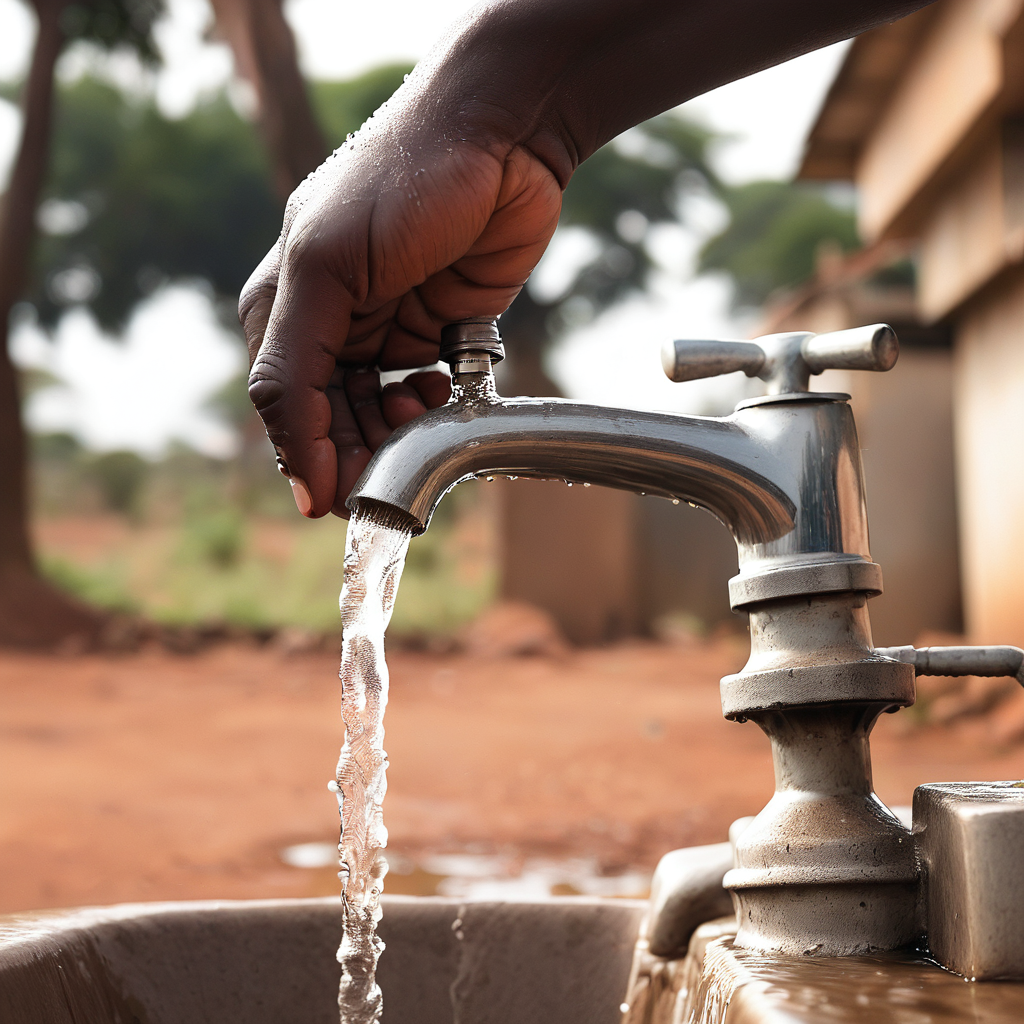
Across Africa, access to safe water remains a decisive factor in shaping economic opportunity, health outcomes, and gender equality. Marking this year's World Water Day theme, "Where water flows, equality grows," the African Development Bank (AfDB) is highlighting how targeted investments in water infrastructure are transforming communities in rural Mauritania.
At the centre of this effort is the National Integrated Rural Water Sector Project, a multi-partner initiative aimed at expanding climate-resilient water access in some of the country's poorest regions.
Reaching the Most Vulnerable Regions
The project focuses on underserved wilayas including:
-
Gorgol
-
Brakna
-
Tagant
These areas face high poverty levels and limited access to safe drinking water, with many families—particularly women—spending hours each day collecting water.
"For many women, a nearby water source means the difference between survival tasks and building a future," project officials note.
Major Infrastructure Investment
Supported by the AfDB, the African Development Fund, the Global Environment Facility, and the Government of Mauritania, the project has delivered:
-
50 new boreholes
-
22 solar-powered drinking water systems
-
Improved sanitation facilities in villages, schools, and health centres
These interventions are expected to provide reliable water access to around 150,000 people.
The use of solar-powered systems also strengthens climate resilience while reducing operational costs.
Beyond Water: Health, Education, and Gender Impact
The project's impact extends well beyond basic water access.
Improved sanitation infrastructure is:
-
Enhancing hygiene conditions in schools and health facilities
-
Supporting girls' school attendance, especially during menstruation
-
Reducing health risks for families and caregivers
By cutting the time spent collecting water, women and girls gain more opportunities for:
-
Education
-
Income-generating activities
-
Community leadership roles
Boosting Livelihoods Through Irrigation
The initiative also supports rural economic development through agriculture:
-
40 hectares of irrigated land developed for women and youth groups
-
Training provided to women's associations in:
-
Modern farming techniques
-
Irrigation management
-
Participation in local water governance
-
These efforts are helping families increase food production, generate income, and improve food security.
Women at the Centre of Water Governance
A key feature of the project is its focus on gender inclusion, ensuring women are actively involved in:
-
Water management decisions
-
Community-level governance
-
Agricultural planning
"When women and girls help shape how water is managed, communities thrive," the project emphasizes.
A Model for Inclusive, Climate-Resilient Development
The Mauritania initiative reflects the AfDB's broader strategy of integrating:
-
Climate resilience
-
Infrastructure development
-
Gender equality
By combining international financing with local expertise, the project demonstrates how water investments can deliver multi-dimensional development outcomes.
Transforming Daily Life
For communities across rural Mauritania, the changes are tangible:
-
Reduced time and physical burden of water collection
-
Improved health and sanitation
-
Greater economic participation
-
Expanded opportunities for women and girls
As Africa continues to grapple with water scarcity and climate pressures, such projects highlight a critical insight: access to water is not just a basic service—it is a foundation for equality and sustainable development.
Tags: African Development Bank, Mauritania water project, rural development, gender equality, World Water Day, water access, climate resilience, sanitation, women empowerment, Africa development








 Google News