



World Bank Report: Smarter Water Use in Agriculture Could Create 245 Million Jobs and Feed 10 Billion Sustainably
The report introduces a new decision-making framework that links water availability with agricultural production and trade patterns.
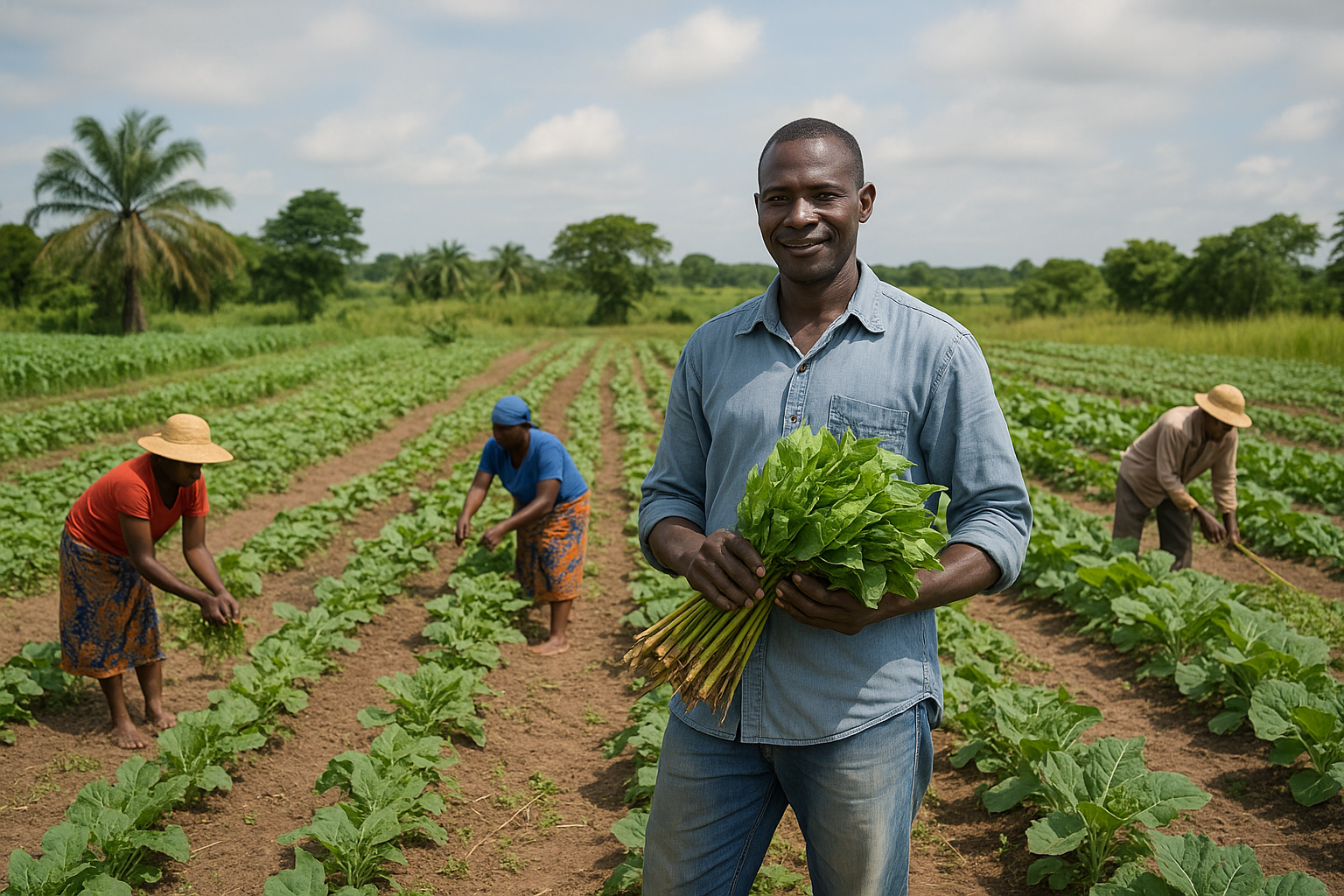
Rebalancing how water is used across global agriculture could unlock 245 million long-term jobs—mostly in Sub-Saharan Africa—while ensuring food security for a population expected to reach 10 billion by 2050, according to a new World Bank Group report.
The report, Nourish and Flourish: Water Solutions to Feed 10 Billion People on a Livable Planet, warns that current water management practices are unsustainable and inefficient, threatening both future food production and economic stability.
A Broken System: Overuse and Underuse of Water
The World Bank highlights a stark imbalance in global agriculture:
-
Water overuse in stressed regions is depleting ecosystems and reducing long-term productivity
-
Water underuse in resource-rich regions is leaving agricultural potential untapped
As a result, current systems can sustainably support less than half of the global population's food needs.
Fixing this imbalance is critical to meeting future demand without accelerating environmental degradation.
A New Global Framework for Water and Food
The report introduces a new decision-making framework that links water availability with agricultural production and trade patterns.
It categorises countries based on:
-
Water stress levels
-
Food import/export status
This approach helps identify where:
-
Rainfed agriculture can be expanded
-
Irrigation investments can drive jobs and growth
-
Water use must be reduced to protect ecosystems
-
Trade is more sustainable than domestic production
"The way we manage water for food will have profound implications for jobs, livelihoods, and economic growth," said Paschal Donohoe, Managing Director of the World Bank Group.
245 Million Jobs—A Major Opportunity for Africa
One of the report's most striking findings is the potential to create 245 million long-term jobs, particularly in:
-
Sub-Saharan Africa, where water resources and agricultural potential remain underutilized
-
Rural economies that can benefit from expanded irrigation and improved productivity
This positions water-smart agriculture as a major engine of employment and poverty reduction.
Investment Gap: Up to $70 Billion Annually Needed
Scaling sustainable irrigation and modernising existing systems will require:
-
$24–70 billion per year through 2050
Currently, governments spend about $490 billion annually on agricultural support, much of it on subsidies that may not promote sustainability.
The report calls for:
-
Redirecting subsidies toward productive and sustainable investments
-
Expanding public-private partnerships
-
Leveraging blended finance and private capital
Private Sector and Farmers Key to Transformation
The World Bank emphasizes that public funding alone is insufficient.
Instead, success depends on:
-
Greater private sector participation
-
Farmer co-investment in irrigation and technology
-
Access to finance, markets, and digital tools
"When infrastructure, policy reform, and private capital come together, the impact can be greater than the sum of its parts," said Guangzhe Chen, World Bank Vice President for Planet.
Linking Food Security, Climate, and Economic Growth
The report frames water management as central to addressing multiple global challenges:
-
Food security
-
Climate resilience
-
Economic development
-
Natural resource protection
By aligning water use with climate realities and trade systems, countries can build more resilient and efficient food systems.
World Bank Scaling Up Support
To support this transition, the World Bank Group has committed to:
-
Doubling agribusiness financing to $9 billion annually by 2030
-
Mobilizing $5 billion per year under the AgriConnect initiative
-
Strengthening food systems through its Water for Food and Water for the Planet programs
These efforts aim to help smallholder farmers shift from subsistence to surplus production, boosting incomes and food availability.
A Turning Point for Global Food Systems
The report concludes that smarter water management is not just an environmental necessity—but a strategic economic opportunity.
With the right policies, investments, and partnerships, countries can simultaneously:
-
Feed a growing global population
-
Create millions of jobs
-
Protect vital natural resources
As pressure mounts on both water and food systems, the choices made today will determine whether the world can achieve sustainable growth on a livable planet.








 Google News