



Global Airlift: Nations Scramble Amid Middle East Tensions
As tensions rise due to the U.S. and Israeli conflict with Iran, global governments are urgently organizing repatriation flights to return citizens from the Middle East. Commercial airspace is largely shut, reminiscent of the COVID-19 pandemic's travel disruptions. Additional measures include rerouting, refueling, and extended suspensions by airlines.
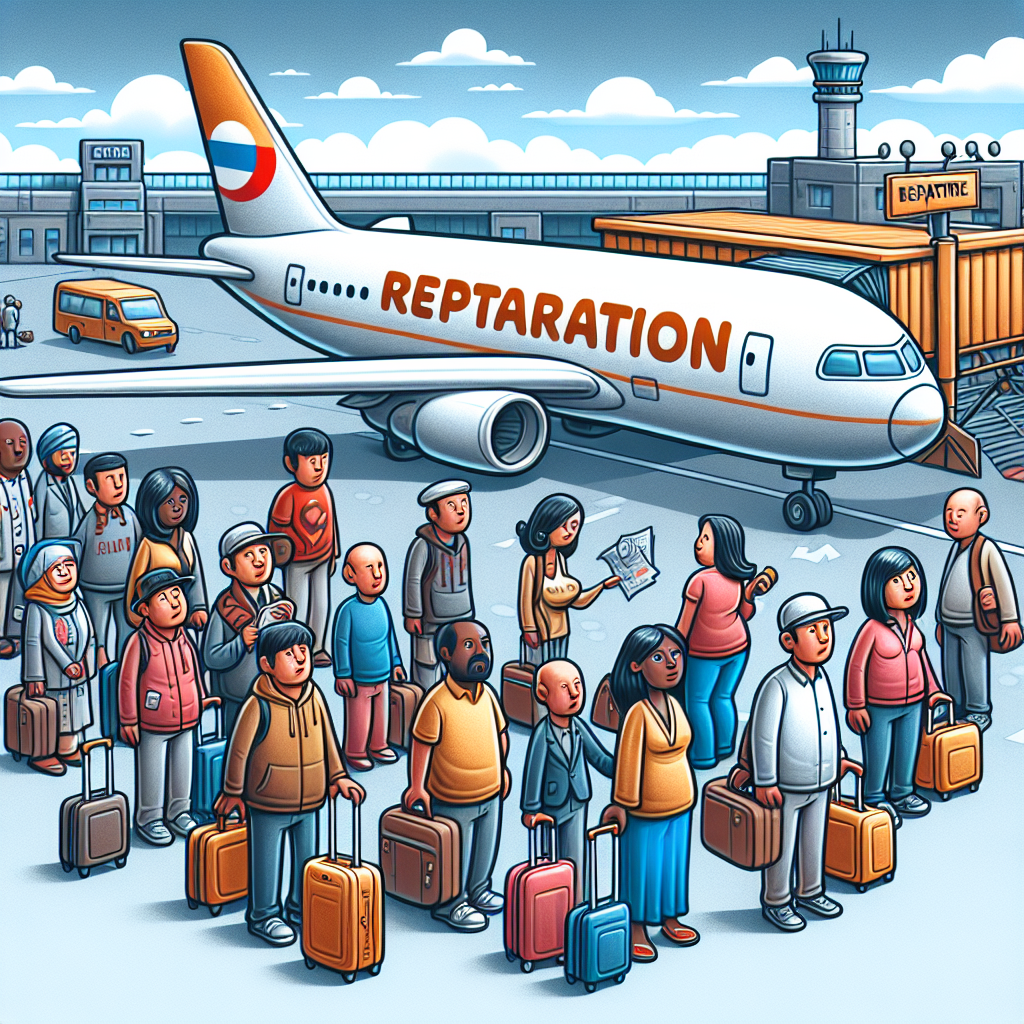
Governments across the globe are coordinating repatriation flights to extract their citizens from the embattled Middle East amid heightening tensions involving the U.S., Israel, and Iran. Major Gulf hubs, including Dubai's international airport, have halted most commercial traffic, echoing the pandemic's travel chaos.
Despite the potential for a ceasefire, industry insiders caution that resuming normal flight operations will take time. Airlines are tasked with repositioning aircraft, organizing crews, and ensuring safe travel plans. Major efforts are underway by nations such as Britain, France, and the UAE to establish air corridors for safe passage.
Airlines face significant financial strain with rerouted paths, extended flight suspensions, and increased fuel costs impacting their bottom line. Meanwhile, oil price fluctuations threaten to drive fares higher. The ongoing crisis not only disrupts passenger travel but also strains air cargo routes, exacerbating global trade issues.
ALSO READ
-
Over 2,000 Canadians Seek Evacuation Support Amid Middle East Tensions
-
Middle East Turmoil: Global Consequences of the Escalating Iran Conflict
-
Australians Navigate Turbulent Skies Amid Middle East Conflict
-
Global Markets Rise Amid Middle East Tensions and Cryptocurrency Surge
-
Dollar Dips as Middle East Peace Talks Renew Hope








 Google News