



EIB, Canada Deepen Alliance on Critical Raw Minerals
The initiative comes amid growing global competition over access to critical minerals, with major economies seeking to secure diversified and politically reliable supply chains.
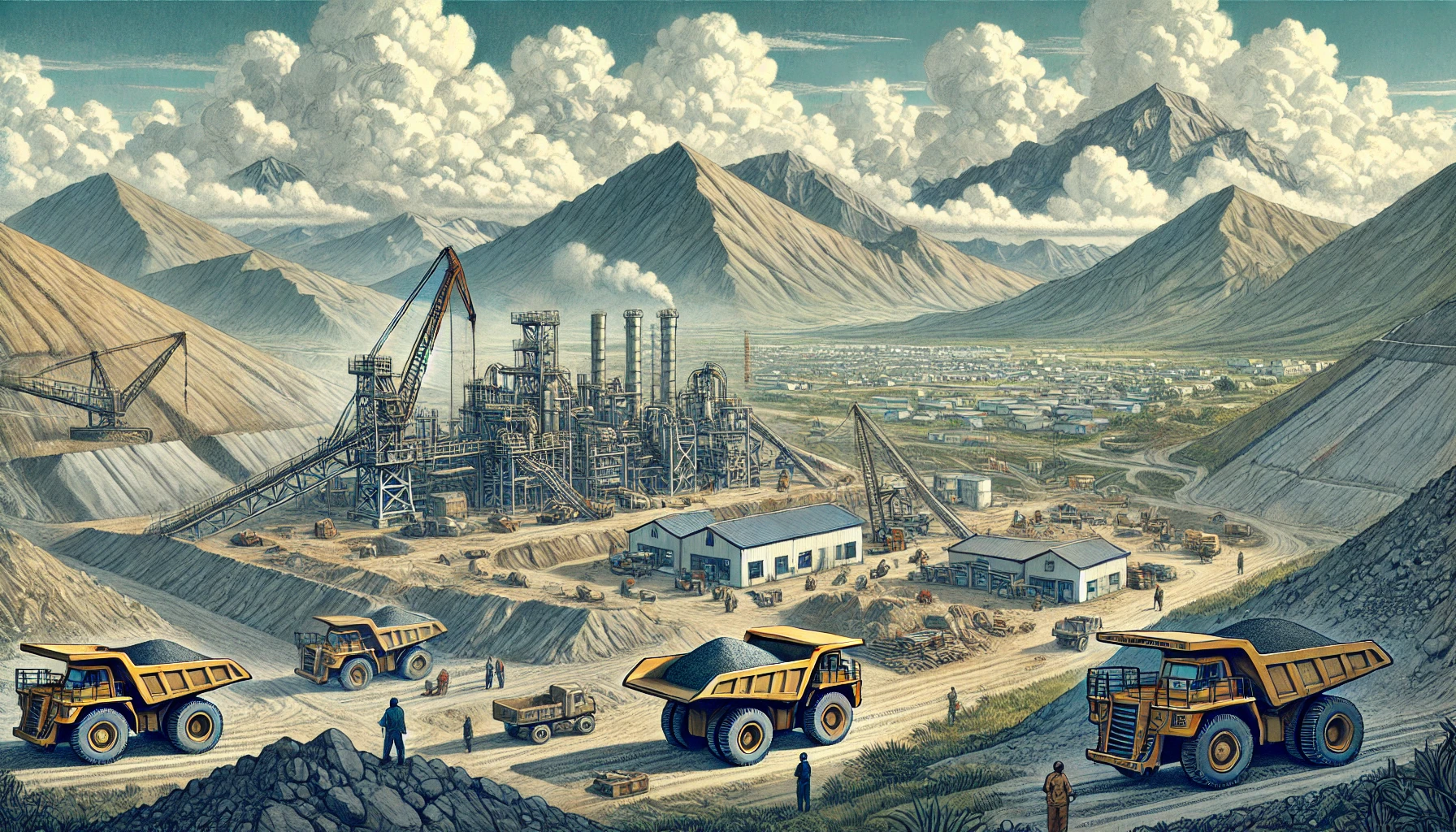
The European Investment Bank (EIB) and the Government of Canada have signed a non-binding Letter of Intent (LoI) to strengthen cooperation on critical raw materials, marking a significant step toward securing resilient and sustainable mineral supply chains for the green, digital and defence transitions.
The agreement was signed at the PDAC 2026 mining conference in Toronto and builds on the existing EU–Canada Strategic Partnership on Raw Materials, reinforcing transatlantic coordination at a time of intensifying geopolitical competition over mineral resources.
Securing Supply Chains for Strategic Industries
Critical minerals such as lithium, cobalt, nickel and rare earth elements are essential for clean energy technologies, semiconductors, electric vehicles and advanced defence systems. The EU has identified reducing strategic dependencies in these areas as central to its economic security agenda.
Canada — one of the world's leading and most responsible producers of critical minerals — is viewed as a trusted partner, offering:
-
Significant mineral reserves
-
Established mining expertise
-
Strong environmental and social governance standards
-
Stable political and regulatory frameworks
The new Letter of Intent aligns with the EU–Canada Joint Statement on Critical Minerals signed at the same conference by Canada's Minister of Energy and Natural Resources, Tim Hodgson, and European Commission Executive Vice-President Stéphane Séjourné.
From Principles to Practical Investment
While the agreement does not create immediate financial commitments, it initiates discussions on the institutional framework required for the EIB to operate in Canada — a prerequisite for financing activities outside the EU.
If formalised, the framework would allow the EIB to support projects across the full raw materials value chain, including:
-
Exploration and extraction
-
Processing and refining
-
Recycling and circular economy solutions
-
Innovation and substitution technologies
Projects would need to serve EU strategic objectives and meet high environmental and social standards.
EIB Vice-President Nicola Beer said the objective is to turn shared principles into concrete action.
"Our objective is to improve market conditions for responsible producers and reliable buyers alike," Beer said. "Together with Canada, we aim to reduce risk, support innovation — from exploration to recycling — and mobilise private investment for high-standard projects."
Geopolitics and Economic Security
The initiative comes amid growing global competition over access to critical minerals, with major economies seeking to secure diversified and politically reliable supply chains.
"At a time of heightened geopolitical competition, Europe must take greater responsibility for its economic security," said Stéphane Séjourné, Executive Vice-President for Prosperity and Industrial Strategy. "By deepening our partnership with Canada, we are strengthening our strategic autonomy and reducing critical dependencies."
Canada's Energy and Natural Resources Minister Tim Hodgson emphasised the employment and industrial benefits of the partnership.
"This Letter of Intent supports investments that deliver responsibly sourced minerals to global markets, while creating good jobs and long-term opportunities for Canadians," Hodgson said.
Benefits for Industry on Both Sides
Closer cooperation could also benefit European companies already active in Canada's mining and technology sectors, many of which supply equipment, processing technologies and services to Canadian projects.
For Europe, the partnership supports broader ambitions under the EU's critical raw materials strategy and its 2024–2027 Strategic Roadmap, which places economic resilience and supply chain security at the forefront of policy.
Though non-binding, the Letter of Intent signals a deepening alignment between two like-minded partners seeking to anchor mineral supply chains in high environmental, social and governance standards — and reduce reliance on less predictable sources.
ALSO READ
-
Strengthening Ties: Canada and Australia Forge Alliances Amid Global Shifts
-
India Monitors Impact of Canada’s Revised Immigration Policies on Indian Diaspora
-
India and Canada Launch CEPA Negotiations, Set $50 Billion Trade Target by 2030
-
India and Canada Forge Powerful Partnership in Clean Energy and Minerals
-
India and Canada Aim for $50 Billion Trade Bonanza by 2030 with New CEPA Deal








 Google News