



AfDB Approves $58m Solar Mini-Grid Project in Eritrea
The project will deliver affordable and reliable electricity to households and businesses in and around Tesseney, Berantu and Kerkebet, benefiting an estimated 306,000 people.
- Country:
- Eritrea
The African Development Bank Group (AfDB) has approved $58.04 million in financing to expand access to reliable, clean electricity across three towns in Eritrea's southwest Gash Barka region, marking a significant boost to the country's renewable energy capacity.
Approved on 18 February, the funding package includes a $37.31 million grant from the African Development Fund and an additional $20.73 million from the Bank's Transition Support Facility.
34-Megawatt Solar Mini-Grid for Underserved Communities
The Eritrea Energy Integrated Project for Tesseney, Kerkebet and Berantu will deploy a 34-megawatt solar-powered mini-grid system designed to strengthen electricity distribution networks and expand local energy generation capacity.
The project will deliver affordable and reliable electricity to households and businesses in and around Tesseney, Berantu and Kerkebet, benefiting an estimated 306,000 people.
In addition to power generation, the initiative will finance the construction or upgrade of 542 kilometres of distribution lines, significantly improving grid reliability and reach.
Linking Energy to Economic Transformation
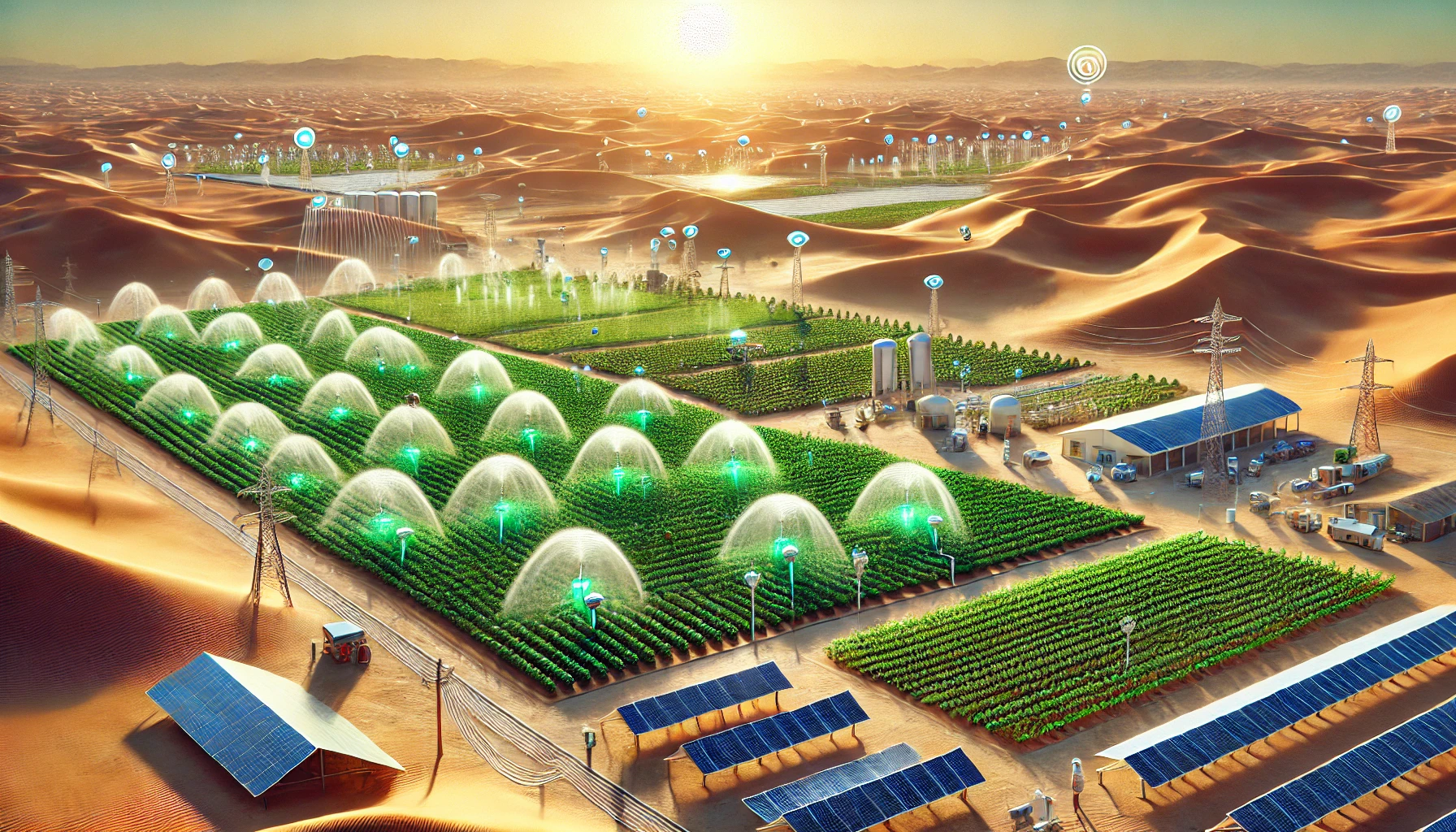
Beyond household electrification, the project adopts an integrated development approach under the Bank's Desert to Power initiative, linking energy access with agriculture, water and industrial productivity.
Expected impacts include:
-
Powering clean water pumping systems
-
Improving irrigation and agricultural output
-
Supporting agro-processing and small enterprises
-
Extending operating hours for local businesses
-
Reducing reliance on costly diesel generators
By enabling irrigation and agro-processing, the project aims to enhance food security and strengthen value chains in one of Eritrea's key agricultural regions.
Jobs, Skills and Climate Benefits
The project is expected to create employment opportunities during both construction and operational phases. It will also support local capacity-building by strengthening technical skills related to renewable energy installation, maintenance and services.
Over time, the solar mini-grid system will contribute to lower greenhouse gas emissions and support Eritrea's transition toward a low-carbon, climate-resilient economy.
Kevin Kariuki, AfDB Vice President for Power, Energy, Climate and Green Growth, described the investment as timely and transformative.
"This timely investment will help deliver reliable and affordable clean power to communities in Eritrea that need it most, thereby spurring job creation, strengthening local economies and helping Eritrea move towards a sustainable energy future," he said.
Advancing Desert to Power
The project forms part of the African Development Bank's Desert to Power initiative, which seeks to harness the Sahel region's vast solar potential to generate up to 10 gigawatts of solar energy and provide electricity access to 250 million people.
By combining renewable generation with expanded distribution and economic integration, the Eritrea Energy Integrated Project aims to unlock broader socio-economic transformation in Gash Barka and set the foundation for future clean energy expansion nationwide.








 Google News