



Trump's Tariff Tactics: Navigating New Trade Terrain
President Trump announced a 10% global tariff for 150 days following the Supreme Court's decision striking down his previous emergency duties. Initiating new investigations, the tariffs are expected to fill the temporary revenue gap, with potential increases depending on future inquiries under Sections 232 and 301.
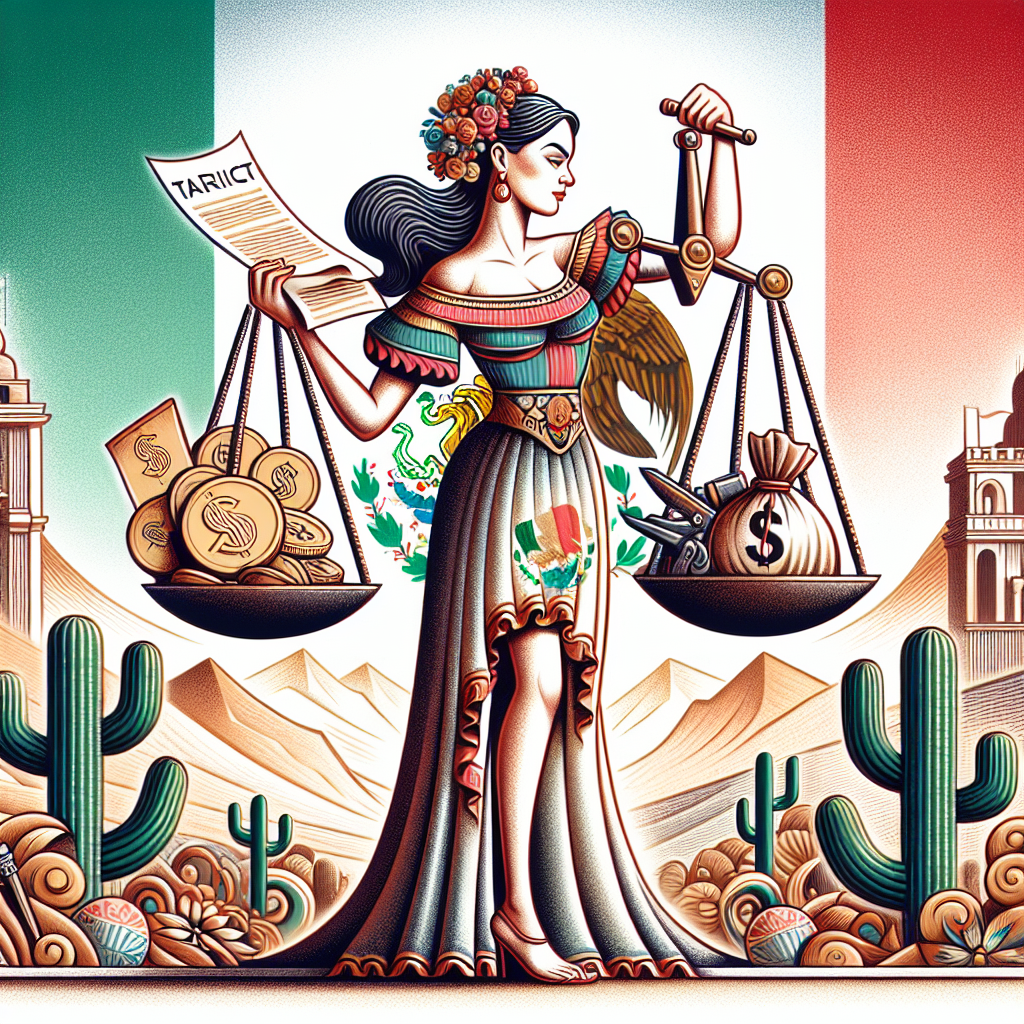
In a significant trade policy move, U.S. President Donald Trump declared a 10% global tariff for 150 days, replacing emergency duties invalidated by the Supreme Court. Leveraging Section 122 of the Trade Act of 1974, Trump plans to maneuver around procedural hurdles to address serious balance of payments issues.
The use of Section 122 allows the president to impose duties without requiring extensive investigations, offering a swift alternative following the Supreme Court's rebuke. By tapping into alternative measures, Trump aims to maintain tariff revenue while insurmounting international trade challenges.
As the nation prepares for potential shifts in tariff strategy, observers are keen on the outcomes of new Section 301 investigations, which could redefine future U.S. trade relationships. Trump's approach aims to rebalance perceived unfair trade practices while ensuring economic stability.








 Google News