



Argentina Faces Major Strike Amid Controversial Labor Reform Vote
Argentina's Congress is set to vote on a controversial labor reform pushed by President Javier Milei. Unions oppose the reform, leading to a nationwide strike affecting transport, public sectors, and disrupting grain exports. The bill aims to attract investment but threatens long-standing worker rights.
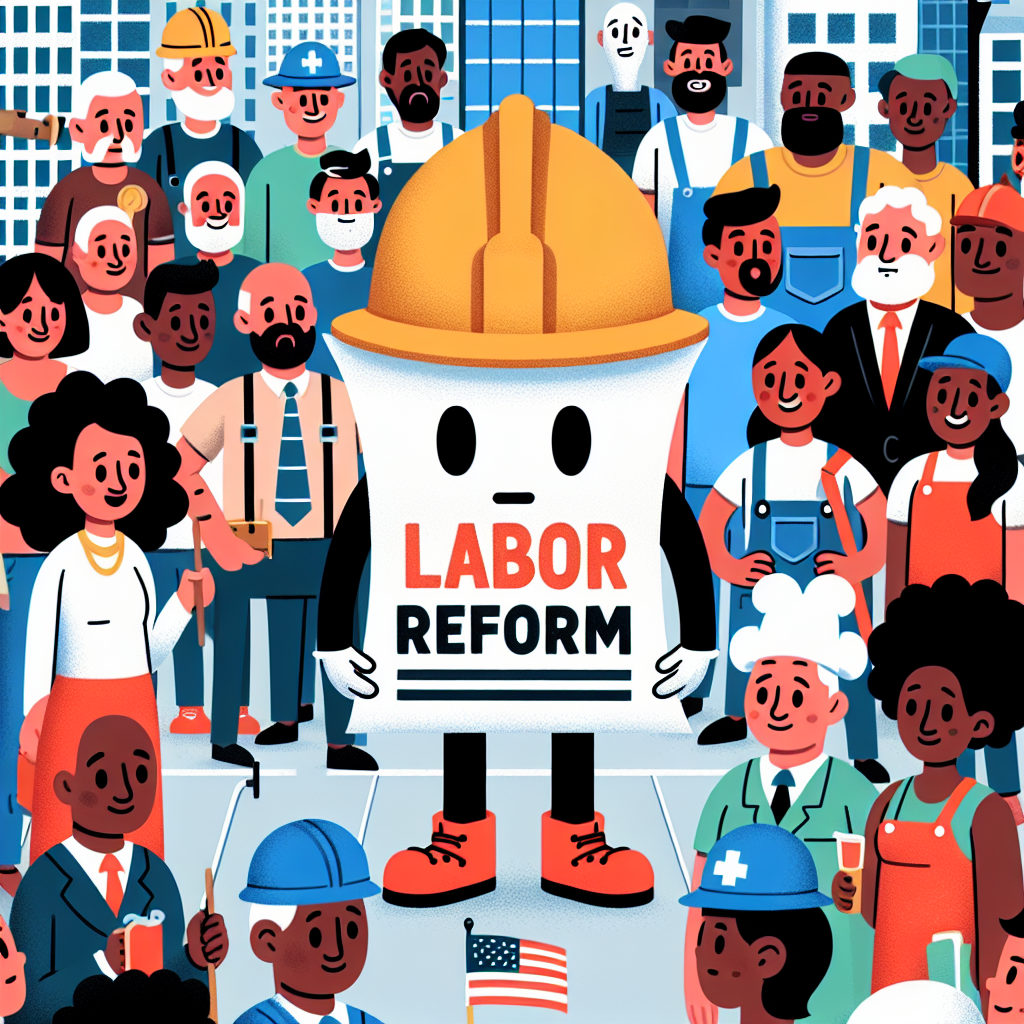
Argentina's lower house of Congress is poised to vote on a contentious labor reform championed by libertarian President Javier Milei, amidst a nationwide strike led by unions angered by the proposed changes.
Critics, including Argentina's largest union CGT, argue the reform jeopardizes fundamental worker protections, inciting a 24-hour strike that disrupted transport, public services, and caused significant flight cancellations. The strike also halted operations at major export hubs, affecting vital agricultural shipments.
The government defends the bill, which has garnered Senate approval, claiming it will boost investments and formal employment. It proposes limits on strike rights and adjusted severance pay, but faces strong opposition. Investors closely watch the outcome to gauge Milei's influence in advancing his free-market policies.
ALSO READ
-
Argentina's Path to Financial Stability: The IMF's Crucial Role
-
Argentina's Labor Reform Sparks Nationwide Strike
-
Argentina Braces for Showdown: Labor Reform Sparks National Unrest
-
Argentina Extends Deadline for Large Investment Incentive Regime
-
Argentina's Maritime Workers Strike: Labour Reform Faces Backlash








 Google News