



AfDB Approves $200M Loan to Scale Up Climate-Smart Agriculture in Nigeria
The loan will support major interventions aimed at increasing food production, reducing imports and strengthening national self-sufficiency.
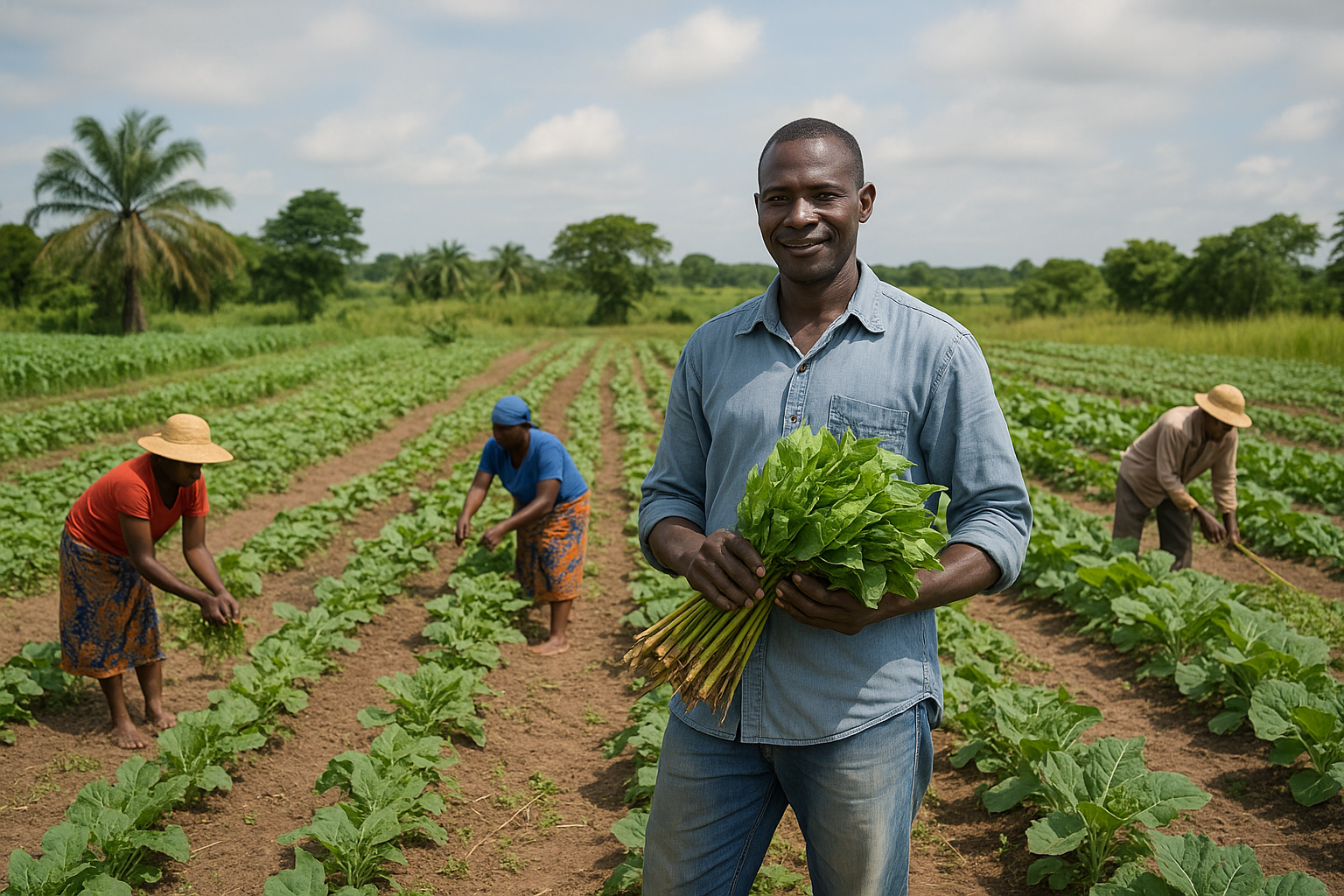
- Country:
- Ivory Coast
The Board of Directors of the African Development Bank Group has approved a $200 million loan to finance the expansion of priority agricultural investments in Nigeria, boosting productivity, strengthening value chains and accelerating climate-smart, data-driven farming under the second phase of the Federal Government's National Agricultural Growth Scheme – Agro-Pocket (NAGS-AP).
The new financing builds on earlier support provided through the Bank Group's African Emergency Food Production Facility, and will directly contribute to the implementation of five key programmes under Nigeria's National Agricultural Technology and Innovation Policy (NATIP).
Driving Nigeria's Agricultural Transformation
The loan will support major interventions aimed at increasing food production, reducing imports and strengthening national self-sufficiency.
The five priority programmes include:
-
Expanding access to high-quality agricultural inputs
-
Strengthening value chains for priority crops
-
Revitalising extension services
-
Promoting digital and climate-smart agriculture
-
Improving agricultural data management
Together, these measures are designed to modernize Nigeria's agricultural sector and build resilience against climate-related shocks.
Boosting Staple Crop Production and Food Security
The funding targets raising staple crop productivity through accessible technologies such as:
-
Climate-resistant, high-yield seed varieties
-
Fertiliser blends tailored to local agro-ecological conditions
-
Expanded crop insurance to protect farmers from climate losses
The programme aims to deliver major gains in national output, including:
-
Increasing wheat production fivefold
-
Raising rice output by 20 percent
These targets are expected to strengthen food security and reduce Nigeria's reliance on costly food imports.
Youth and Commercial Farming at the Centre
A major focus of Phase 2 is supporting Nigerian youth to expand cultivated areas and adopt more commercially oriented farming practices, turning the country's rapidly growing youth population into a driver of economic opportunity.
Building on Strong Phase 1 Results
The Bank highlighted the success of the first phase of NAGS-AP, which introduced an ICT-based delivery system that provided farmers with quality seeds, pesticides and fertilisers through more than 600 agro-dealers nationwide.
Phase 1 achievements included:
-
Cultivation of 118,000 hectares of wheat during the 2023/2024 dry season
-
Tripling national wheat output to an estimated 0.5 million metric tons in 2024
-
Supporting 650,000 smallholder farmers growing wheat, rice, cassava, maize, sorghum and millet
AfDB: Scaling Impact for Inclusive Growth
Dr. Abdul Kamara, African Development Bank Director General for Nigeria, said the second phase is designed to build directly on those successes.
"By expanding access to quality inputs, digital tools, and climate-smart technologies, we are supporting farmers to improve productivity and resilience," Kamara said.
"This programme will continue to play a critical role in reducing food imports, boosting local production, and advancing inclusive growth across the country."
Addressing Structural Challenges in Nigerian Agriculture
Agriculture remains a cornerstone of Nigeria's economy, employing 38 percent of the working population and contributing 25.2 percent of GDP.
However, the sector continues to face persistent challenges, including:
-
Limited access to quality seeds and fertilisers
-
Inadequate land tenure systems
-
Low irrigation coverage
-
Climate breakdown and soil degradation
-
Overall low productivity
The new investment is expected to help tackle these barriers through technology-driven solutions and stronger farmer support systems.
Implementation from March 2026
The four-year project will begin implementation in March 2026 and aligns with African Development Bank President Sidi Ould Tah's Four Cardinal Points strategic vision, with an emphasis on empowering young people and women through technology, finance and inclusive agricultural growth.








 Google News