



Global Bond Markets React to U.S. Economic Data Twist
Germany's 10-year bond yield fell to a three-week low following unexpected flatlining in U.S. retail sales in December. The ripple effect from the U.S. economy impacted European and global bond markets. Market focus remains on upcoming U.S. employment and inflation data which could influence the Federal Reserve's rate policy.
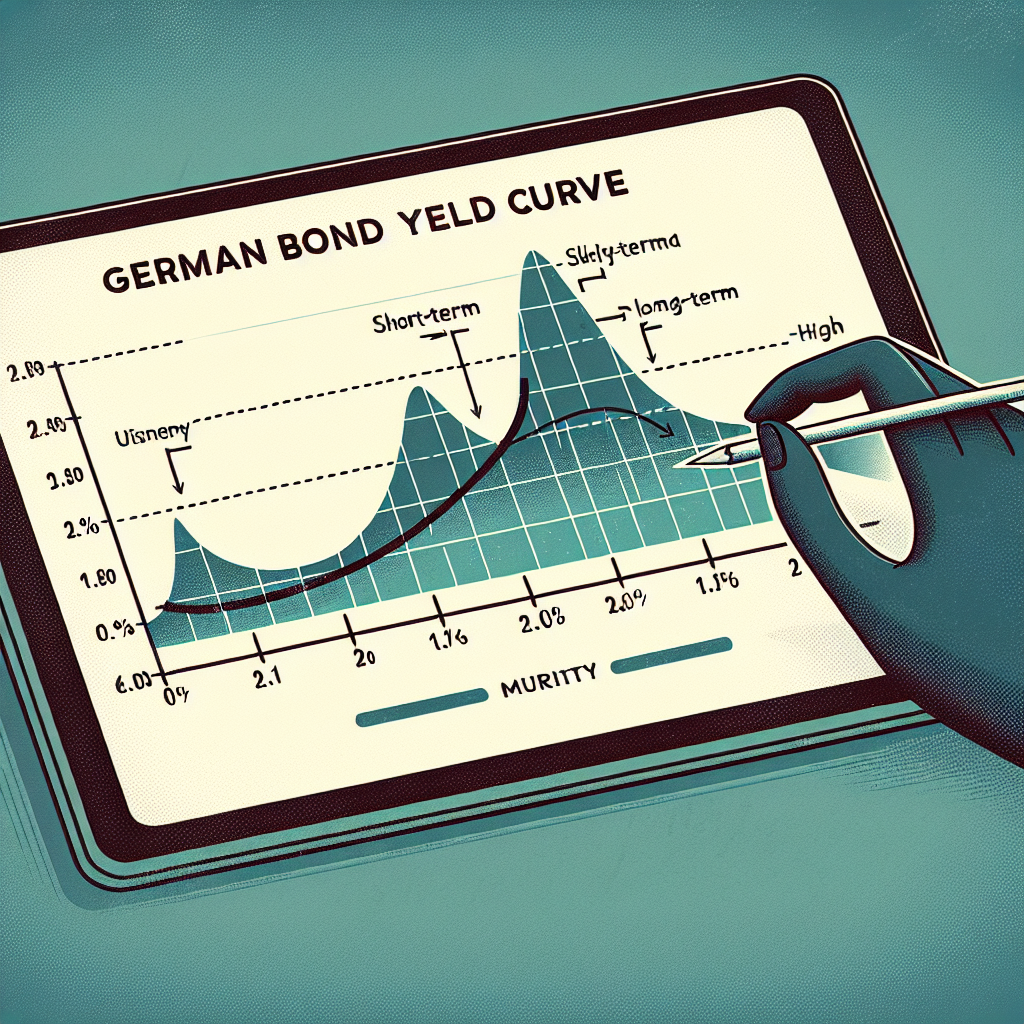
Germany's 10-year bond yield hit a three-week low on Tuesday following unexpected flatlining in U.S. retail sales for December, according to data. The yield, typically seen as the euro zone benchmark, decreased to 2.802%, its lowest since mid-January, attributed to the stagnant U.S. retail sales.
U.S. retail sales remained unchanged, contrary to economists' forecasts of a 0.4% increase after the previous month's 0.6% rise. Additionally, U.S. labor costs were slightly lower than expected in Q4, leading traders to adjust their expectations of Federal Reserve interest rate cuts, impacting U.S. 10-year bond yields, which fell 6 basis points to 4.139%.
European bond markets remain influenced by U.S. economic data. Italian 10-year bond yields and Germany's 2-year yields also showed shifts. Focus now turns to upcoming U.S. employment and inflation reports, key influences on future market actions. Political developments in Japan and Britain added complexity to global market reactions.
ALSO READ
-
Political Waves Steady Euro Zone Bond Yields Amid Global Developments
-
Euro Zone Bond Yields Steady Amid Political Shifts
-
Political Uncertainty Sends British Bond Yields Higher
-
Euro Zone Bond Yields: Caution Amid U.S. Data and Japan's Election Aftermath
-
Euro Zone Bond Yields Steady Amid ECB Interest Rate Decision








 Google News