



EIB Backs Major Expansion of Fast EV Charging Network Across Central and Eastern Europe
The EIB said the loan directly supports European Union objectives to reduce transport emissions, accelerate the transition to electric mobility, and promote balanced regional development.
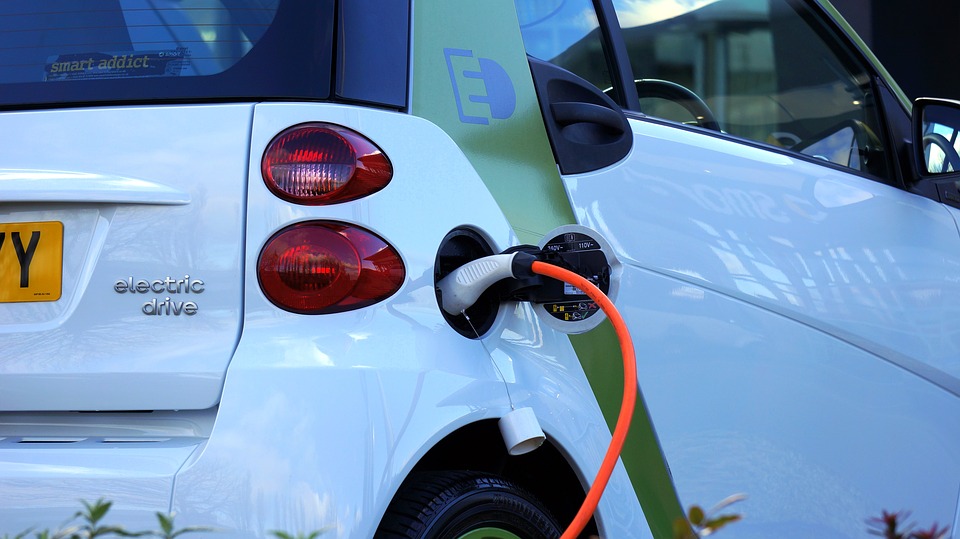
Central and Eastern Europe is set to gain hundreds of new electric-vehicle (EV) charging stations following a €35 million loan from the European Investment Bank (EIB) to fast-growing charging network operator Eleport.
The financing will enable Eleport to deploy more than 250 fast-charging hubs at major shopping and commercial centres across Croatia, Czechia, Estonia, Latvia, Lithuania, Poland, Slovakia and Slovenia, significantly improving access to high-speed charging infrastructure across the region.
High-Power Charging at Everyday Locations
Each charging hub will feature up to 12 charging plugs, with power levels of up to 400 kilowatts per plug, allowing drivers to recharge their vehicles rapidly while shopping, working, or running daily errands.
Eleport, a Tallinn-based startup with rapidly expanding operations across Central and Eastern Europe, plans to complete the rollout by 2028.
The company said the focus on commercial and retail locations is designed to make EV charging more convenient and seamlessly integrated into everyday travel.
"Our goal is for electric-vehicle drivers to be able to stop where they already need to be, plug in briefly, and move on with their day," said Jakub Miler, Eleport's Chief Executive Officer.
Supporting EU Climate and Regional Development Goals
The EIB said the loan directly supports European Union objectives to reduce transport emissions, accelerate the transition to electric mobility, and promote balanced regional development.
"Scaling up fast-charging infrastructure is essential to accelerate the shift to electric mobility and reduce emissions from road transport," said Karl Nehammer, EIB Vice-President.
"This operation demonstrates how we can provide innovative, long-term financing to fast-growing companies delivering high-impact sustainable infrastructure."
The project has been classified by the EIB as 100 per cent climate action and environmental sustainability, underlining its contribution to EU climate targets.
InvestEU Backing Enables Early-Stage Growth
The loan is supported by the InvestEU programme, which allows the EIB to provide tailored financing structures and take on higher credit risk to support promising companies early in their growth phase.
InvestEU aims to mobilise more than €372 billion in additional investment between 2021 and 2027, supporting EU priorities such as the green transition, innovation, competitiveness, and sustainable infrastructure.
Building the "Electric Amber Road"
Eleport already operates more than 400 fast-charging points across Estonia, Latvia, Lithuania, Poland, Slovenia and Croatia, and is developing what it calls the "Electric Amber Road".
Inspired by the ancient Amber Road trade routes that once connected the Baltic and Adriatic coasts, the modern network will enable cross-border EV travel using a single app, simplifying charging across multiple countries.
The expanded network is expected to play a key role in reducing range anxiety, improving cross-border mobility, and supporting the growing adoption of electric vehicles in Central and Eastern Europe.
Accelerating the Transition to Electric Mobility
The EIB said investments like this are critical to closing infrastructure gaps that currently slow EV uptake in parts of Europe.
By combining high-power charging, strategic locations, and interoperable digital services, the Eleport expansion is expected to strengthen the region's EV ecosystem while supporting emissions reductions and cleaner transport.
The project also highlights the growing role of innovative private-sector operators, supported by EU-backed finance, in delivering the infrastructure needed for Europe's green transition.
ALSO READ
-
Cuba's Silent Revolution: The Rise of Electric Vehicles Amid Fuel Crisis
-
India's Ambitious Rare Earth Corridor and Its Impact on Electric Vehicles
-
Egypt and European Investment Bank Join Forces to Enhance Renewable Energy
-
The Future of Electric Vehicles in the EU: A Shift in Gears
-
Maharashtra Drives into Electric Future with New EV Charging Initiatives








 Google News